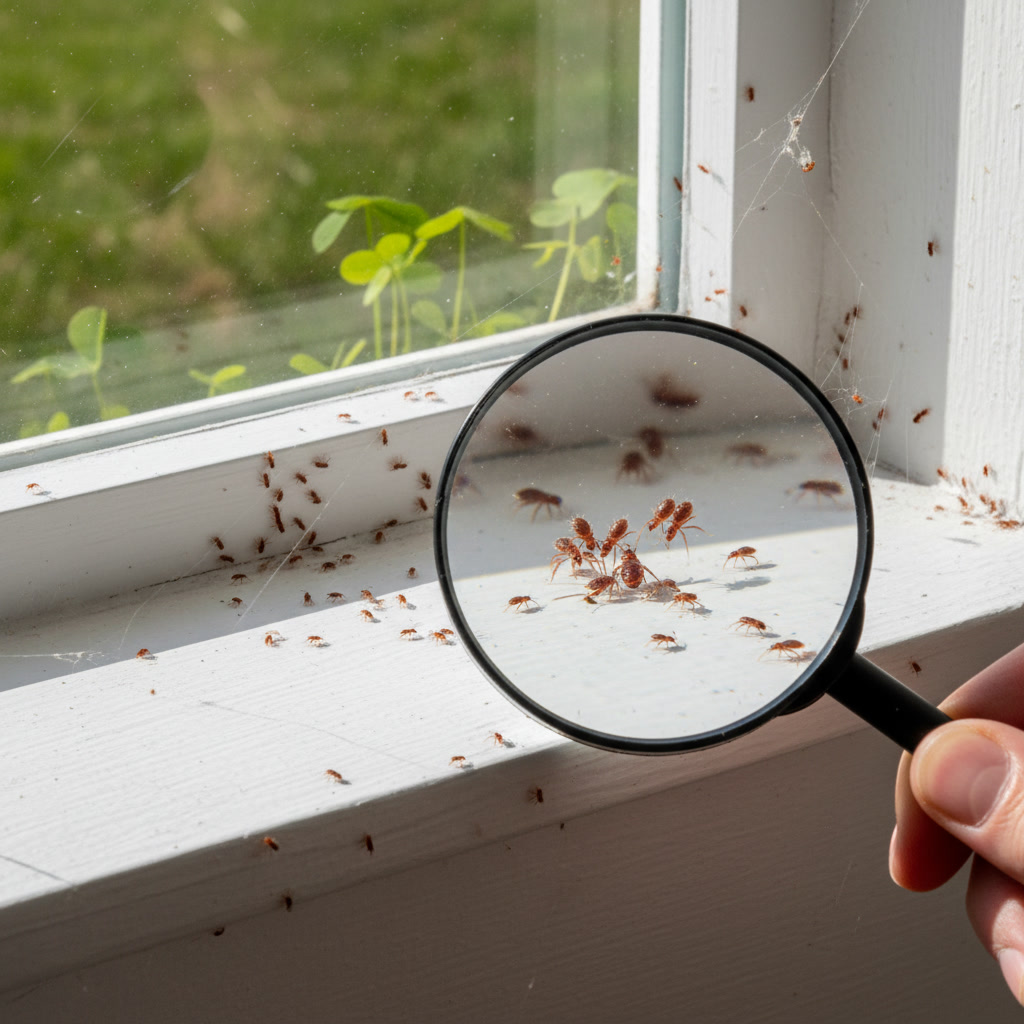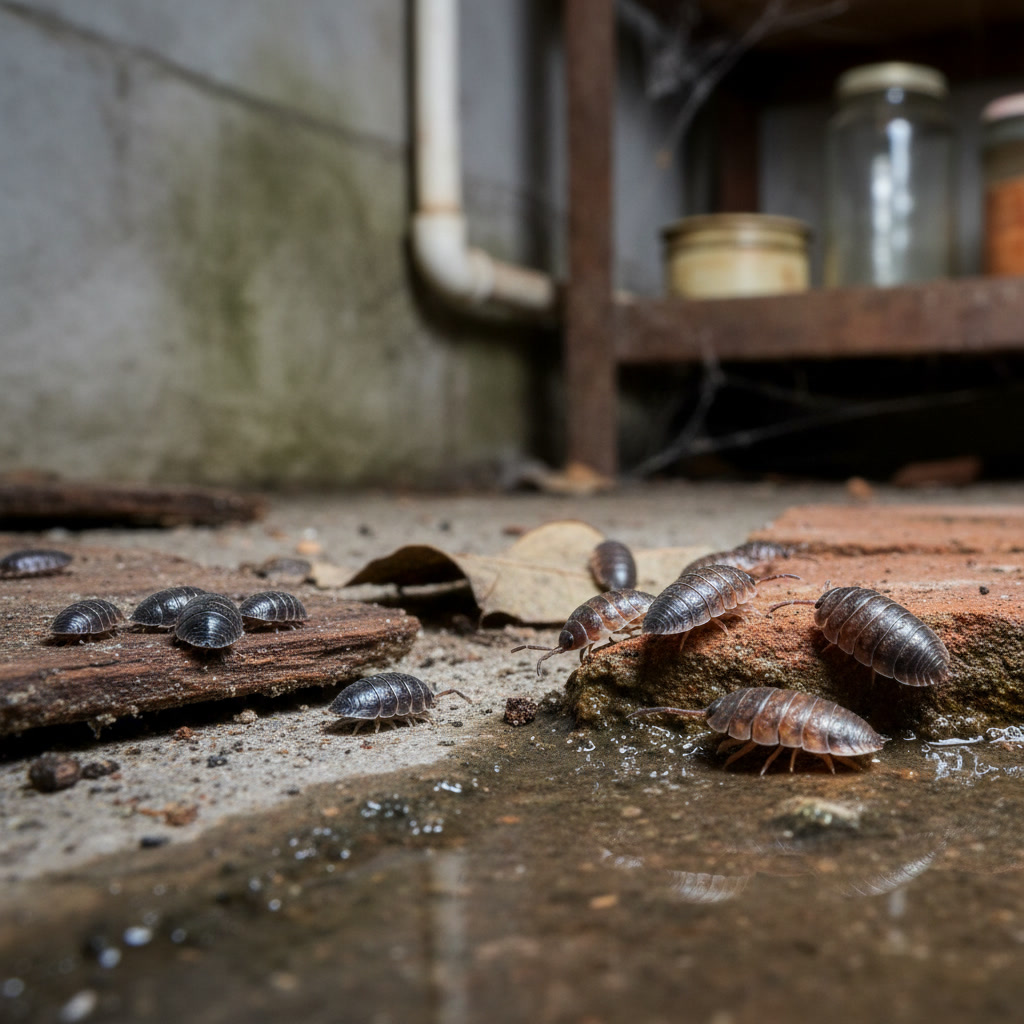
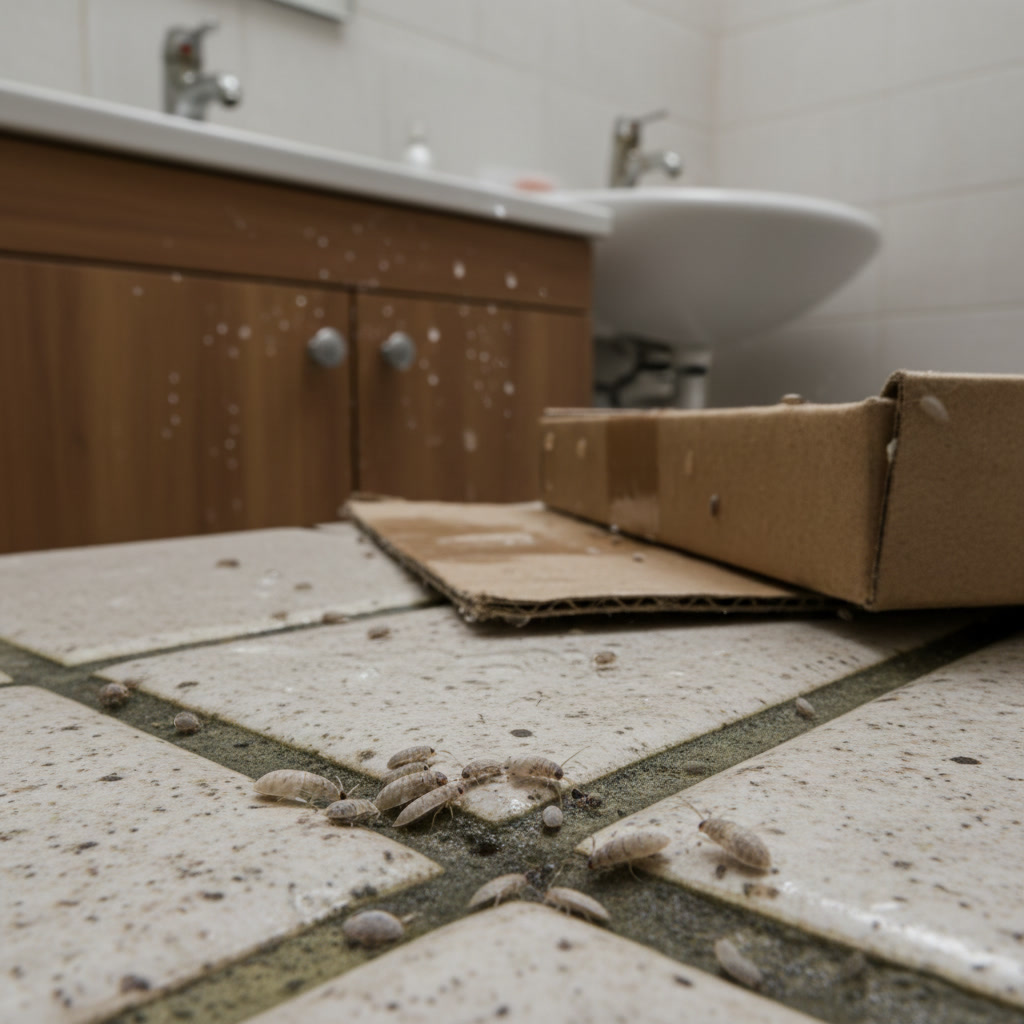
Booklice in bathroom and kitchen cabinets appear because of excess moisture that creates ideal conditions for mold growth, their primary food source. These tiny insects, typically measuring 1 to 2 millimeters long, are not actually lice and do not bite humans or pets. They feed on microscopic mold, fungi, starches, and organic debris that accumulate in damp, poorly ventilated spaces.
Understanding What Booklice Are and Why They Matter
Booklice belong to the order Psocoptera and are soft-bodied insects that range from translucent white to grayish-brown in color. Despite their name, they do not live exclusively in books and have no relation to parasitic lice. You will find them clustered in areas with relative humidity above 60 percent, where mold spores and microscopic fungi flourish.
While booklice do not pose direct health risks or structural damage, their presence signals underlying moisture problems that can lead to more serious issues. High humidity environments that support booklice populations also attract other pests and can promote wood rot, wallpaper damage, and respiratory concerns from mold exposure.
The Hidden Moisture Problem in Your Cabinets
Bathrooms and kitchens naturally experience higher humidity levels than other rooms due to frequent water use. When you shower, cook, or wash dishes, water vapor accumulates in enclosed spaces. Cabinet interiors, especially those under sinks or along exterior walls, trap this moisture without adequate air circulation.
Leaking pipes, even minor drips that go unnoticed for weeks, create persistent dampness that mold needs to grow. Cabinet surfaces made from particleboard or pressed wood absorb moisture more readily than solid wood, creating perfect breeding grounds. In older homes throughout Queens County, outdated plumbing and insufficient ventilation compound these issues.
Why Mold Growth Attracts These Pests
Booklice do not eat wood, fabric, or stored food in the way other pests do. They consume the microscopic mold that grows on these surfaces. Any organic material that develops a thin film of mold becomes a food source, including cardboard boxes, paper labels on cleaning products, book bindings, wallpaper paste, and natural fabrics.
The mold species that thrive in humid cabinet environments are often invisible to the naked eye until colonies become substantial. Booklice detect and consume these mold spores long before you notice visible growth. Their rapid reproduction rate means a small moisture problem can turn into a noticeable infestation within weeks.
Common Entry Points and How Infestations Start
Booklice enter homes through several pathways. They may arrive on infested items brought inside, such as grocery bags, cardboard boxes, potted plants, or stored belongings from damp basements. They can also migrate from neighboring units in multi-family buildings where moisture issues exist.
Once inside, these insects seek out the most humid areas. Cabinet spaces under kitchen and bathroom sinks provide immediate access to water sources and sheltered darkness. The narrow gaps around pipe penetrations, cabinet backs against exterior walls, and the toe-kick spaces beneath base cabinets all serve as highways for booklice to spread throughout your home.
Five Signs You Have a Booklice Problem
Identifying booklice early helps you address moisture issues before they escalate. Watch for these indicators:
- Tiny crawling insects on cabinet walls, especially in corners and along edges where moisture condenses
- Clusters of pale, dust-like particles that move when disturbed
- Musty odors inside cabinets that suggest hidden mold growth
- Discolored or warped cabinet surfaces indicating water damage
- Increased pest activity during humid summer months or after water leaks
Similar to other household arthropods that prefer moisture, booklice populations fluctuate with seasonal humidity changes. You may notice more activity during New York’s humid summers and fewer during dry winter months when indoor heating reduces relative humidity.
The Kitchen Cabinet Conditions That Promote Infestations
Kitchen cabinets face unique challenges that create booklice habitats. The area under your kitchen sink often houses garbage disposals, dishwasher connections, and water supply lines. Any of these can develop slow leaks that go undetected because the cabinet doors remain closed most of the time.
Storing damp dish towels, sponges, or partially empty cleaning product bottles inside cabinets adds moisture to an already humid environment. Pantry items like flour, cereal, and pasta in damaged packaging can develop mold if exposed to condensation, attracting booklice to food storage areas.
Bathroom Cabinet Vulnerabilities
Bathroom cabinets endure constant humidity from showers and baths. Without proper ventilation, steam settles on cold surfaces and condenses. Medicine cabinets built into exterior walls are particularly vulnerable because the temperature differential between indoor and outdoor air creates condensation points.
Toiletries, cosmetics, and medications stored in damp bathroom cabinets can develop surface mold on packaging. Cotton balls, tissues, and paper products absorb moisture and provide additional food sources for booklice. The combination of poor air movement and organic materials makes bathroom cabinets prime real estate for these pests.
How to Eliminate Booklice Step by Step
Removing booklice requires addressing both the insects and their underlying cause. Follow this systematic approach:
- Empty all affected cabinets completely and inspect every item for signs of mold or moisture damage
- Check all plumbing connections for leaks, tightening fittings and replacing worn washers or supply lines
- Clean all cabinet surfaces with a solution of white vinegar and water to kill mold spores without harsh chemicals
- Allow cabinets to dry completely, using fans or dehumidifiers to accelerate the process
- Apply a thin layer of food-grade diatomaceous earth along cabinet edges and corners as a natural desiccant
- Reduce indoor humidity below 50 percent using exhaust fans, dehumidifiers, or improved ventilation
- Seal any gaps or cracks where moisture can enter or pests can travel
For persistent infestations or homes with chronic moisture issues, professional assessment becomes necessary. Royal Exterminating Co offers comprehensive pest evaluations that identify hidden moisture sources and structural vulnerabilities contributing to pest problems.
Prevention Strategies That Actually Work
Long-term control depends on maintaining dry conditions. Run bathroom exhaust fans during showers and for at least 20 minutes afterward. Install under-cabinet lighting in kitchens, as the gentle heat helps reduce moisture accumulation in enclosed spaces.
Store all pantry items in airtight containers rather than keeping them in original packaging. Replace cardboard boxes with plastic bins for under-sink storage. Schedule annual plumbing inspections to catch small leaks before they create pest-friendly environments.
Consider moisture-absorbing products like silica gel packets or rechargeable desiccant units inside cabinets prone to dampness. Monitor indoor humidity with an inexpensive hygrometer, aiming to keep levels between 30 and 50 percent year-round.
When to Call Professional Help
Some situations require professional intervention beyond do-it-yourself methods. If you have addressed moisture sources but booklice persist, hidden water damage may exist within walls or subfloors. Homes with recurring infestations often have structural issues like compromised vapor barriers or inadequate ventilation systems that need expert diagnosis.
Professional pest management companies use moisture meters, thermal imaging cameras, and other diagnostic tools to locate hidden water intrusion points. They can distinguish between booklice and other similar pests that might require different treatment approaches. If your home also shows signs of wood damage, you may be dealing with multiple pest issues that need coordinated solutions from specialists in both structural pest management and moisture control.
Protecting Your Home From Future Infestations
Understanding that booklice signal moisture problems rather than poor housekeeping changes how you approach prevention. These insects serve as early warning indicators of conditions that could eventually lead to more serious damage and more destructive pests. Addressing humidity and ventilation issues protects both your home’s structural integrity and your indoor air quality.
Regular cabinet maintenance, prompt leak repairs, and consistent humidity control create environments where booklice cannot survive. The investment in proper ventilation and moisture management pays dividends by preventing not only booklice but also the mold growth, wood rot, and other pests that thrive in damp conditions.
Royal Exterminating Co provides comprehensive residential pest solutions throughout New York City and surrounding counties. Our licensed technicians identify the moisture sources attracting booklice to your cabinets and implement targeted treatments that address both the pests and their underlying causes. Contact us at +16469962656 to schedule an inspection and protect your home from moisture-related pest issues.