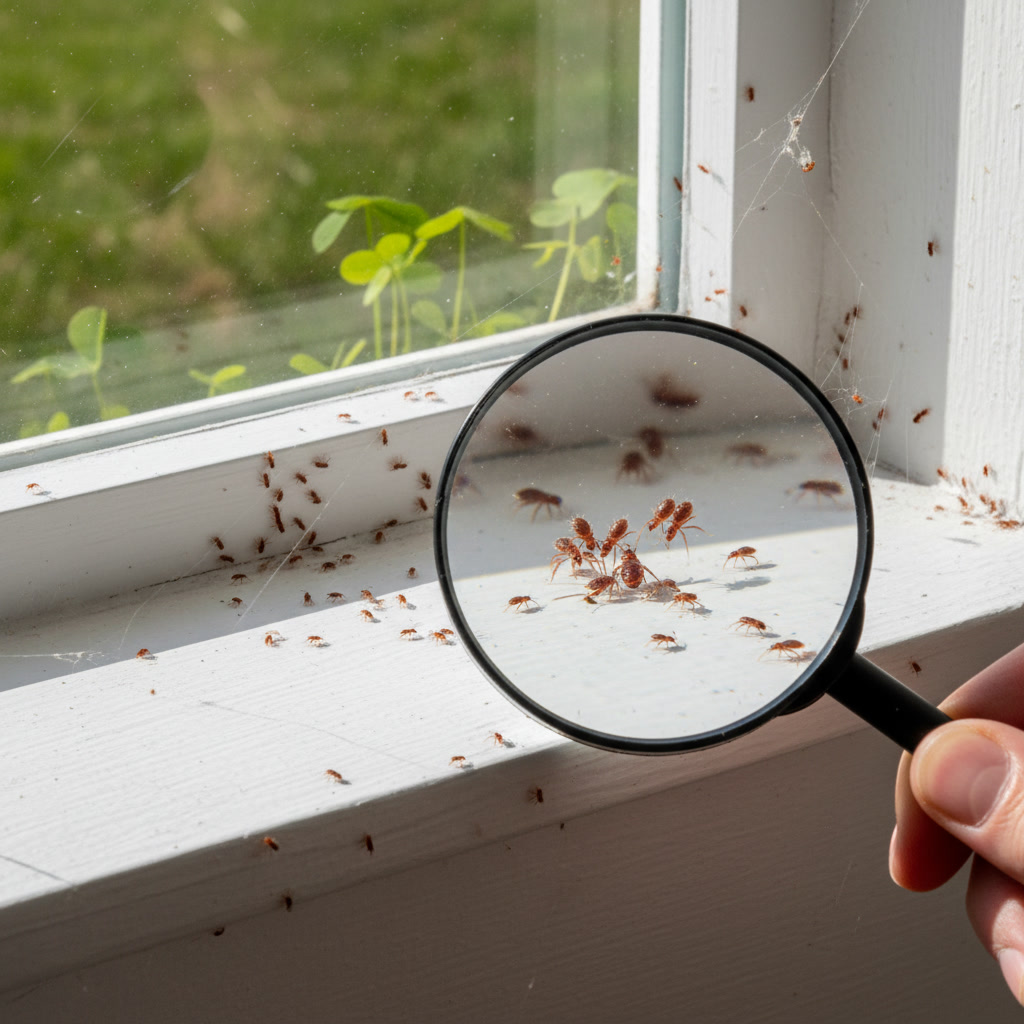
Clover mites are microscopic arachnids that create reddish-brown stains when crushed and often appear as moving dust on windowsills, walls, and sunny surfaces. These pests measure less than 1/30th of an inch, making them barely visible to the naked eye, yet they invade homes by the thousands. Recognizing the signs of clover mites early allows homeowners to address infestations before they spread throughout the property. Unlike many household pests, clover mites don’t bite or transmit disease, but they leave unsightly marks and signal underlying issues with your home’s exterior.
What Clover Mites Look Like and Why They Enter Homes
Clover mites appear as tiny red or reddish-brown specks smaller than a pinhead. Under magnification, they have eight legs with the front pair extended forward like antennae. Their oval-shaped bodies are covered in fine hairs. These pests thrive in well-fertilized lawns, feeding on grass, clover, and other plants. When outdoor conditions become unfavorable due to drought, heavy rain, or temperature extremes, clover mites migrate indoors seeking shelter. They enter through microscopic cracks around windows, door frames, foundation gaps, and siding joints.
Spring and fall bring the largest migrations, when clover mite populations peak outdoors. Sunny sides of buildings attract the most activity because clover mites prefer warm surfaces. This explains why south-facing and west-facing walls experience heavier infestations than shaded areas. Properties with thick grass or vegetation growing against the foundation create ideal conditions for clover mites to establish large colonies before moving inside.
Red or Brown Stains on Window Frames and Sills
The most distinctive sign of a clover mite problem is reddish-brown staining on surfaces where the mites have been crushed. When you wipe windowsills, walls, or curtains and see rust-colored smears, clover mites are likely present. These stains come from the mites’ body pigments, which contain iron-based compounds. The marks are difficult to remove completely and may require specialized cleaning solutions. Avoiding direct crushing by vacuuming instead of wiping prevents stain formation on porous surfaces like drywall and fabric.
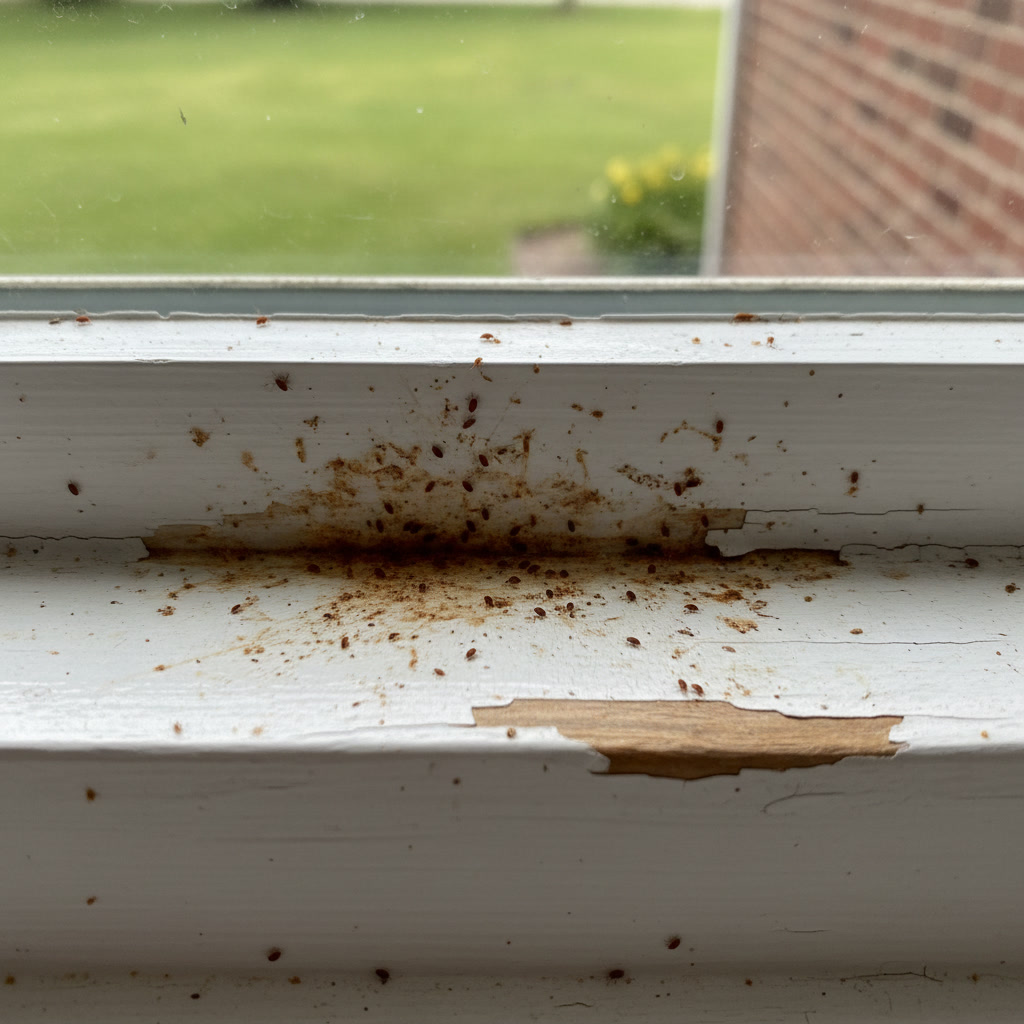
Window frames show the heaviest staining because clover mites cluster in these areas searching for entry points. Check the corners where the glass meets the frame and along weatherstripping. Fresh stains appear bright red, while older marks fade to brownish-orange. Multiple layers of staining indicate a persistent infestation that has lasted several weeks or months.
Moving Dust or Tiny Specks Crawling on Walls
Homeowners often describe clover mites as moving dust particles or animated pepper flakes. When hundreds or thousands gather on white walls or light-colored surfaces, they create a shimmering effect as they crawl. Individual mites move slowly, but the collective motion of a large group becomes noticeable. This activity peaks during warm, sunny afternoons when wall temperatures rise and draw mites from cooler hiding spots.
To confirm whether the specks are clover mites, place a piece of white paper beneath them and observe closely. The mites will move across the paper in random patterns. Crushing a few specimens between the paper will produce the characteristic red stain. Similar-looking pests like springtails or psocids do not leave colored marks when crushed, making this a reliable diagnostic test.
Mass Gatherings Near Queens County Windows and Doors
In Queens County and surrounding areas, clover mites congregate in large numbers on exterior walls before attempting indoor entry. These gatherings appear as dark patches or moving masses on siding, brick, and concrete surfaces. Windows and doors on the sunny side of buildings attract the densest populations. The mites cluster in mortar joints, under siding edges, and around window trim where small gaps provide access routes.
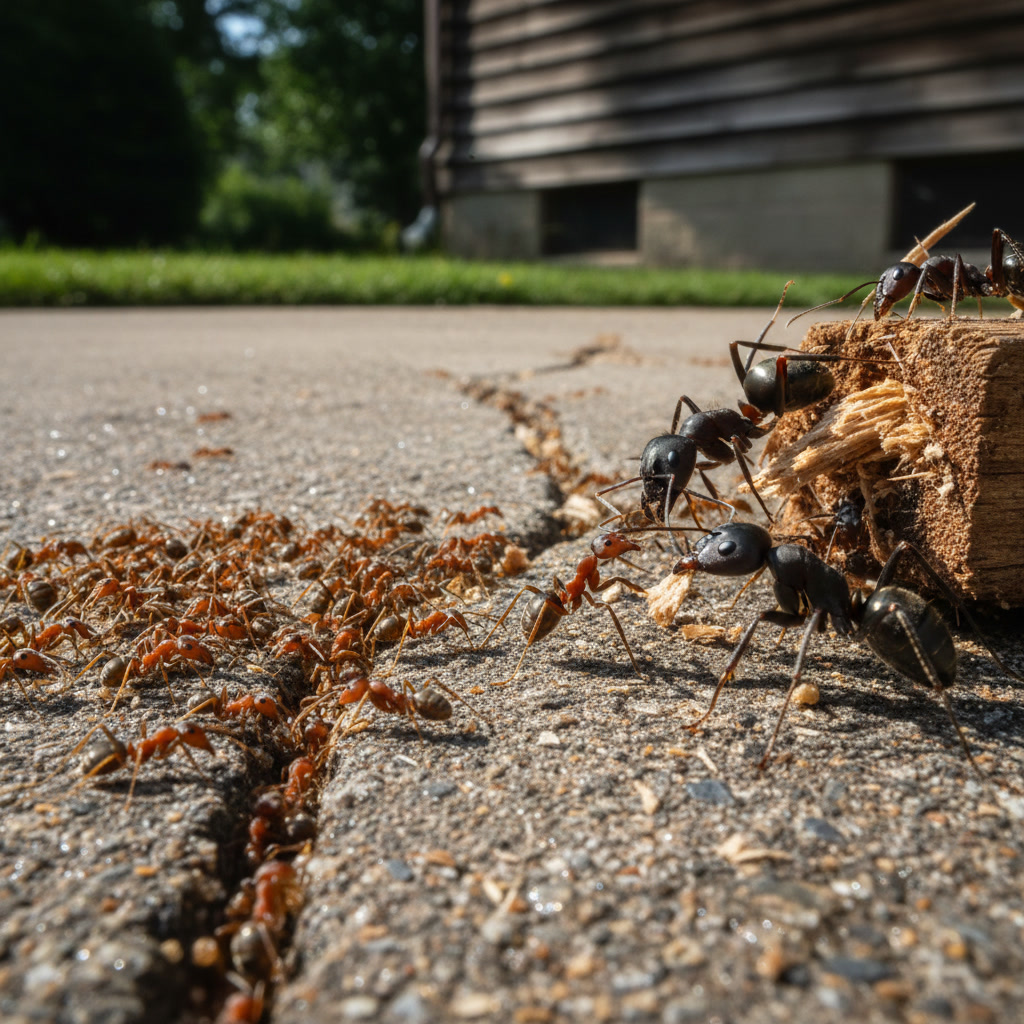
Inside the home, similar gatherings occur on windowsills, along baseboards, and near door thresholds. You might notice hundreds of mites concentrated in the corner of a single window or spread across an entire wall. Unlike ant infestations that follow defined trails, clover mites spread more randomly across surfaces.
Comparing Clover Mites to Other Common Household Pests
Several small arthropods resemble clover mites, making proper identification important. Chiggers are also red and microscopic but live in vegetation and bite humans, unlike clover mites. Spider mites attack houseplants and create webbing, while clover mites produce no silk. Bed bugs are much larger, feed on blood, and hide in furniture rather than gathering openly on walls. Professional bed bug inspections can rule out these more serious pests.
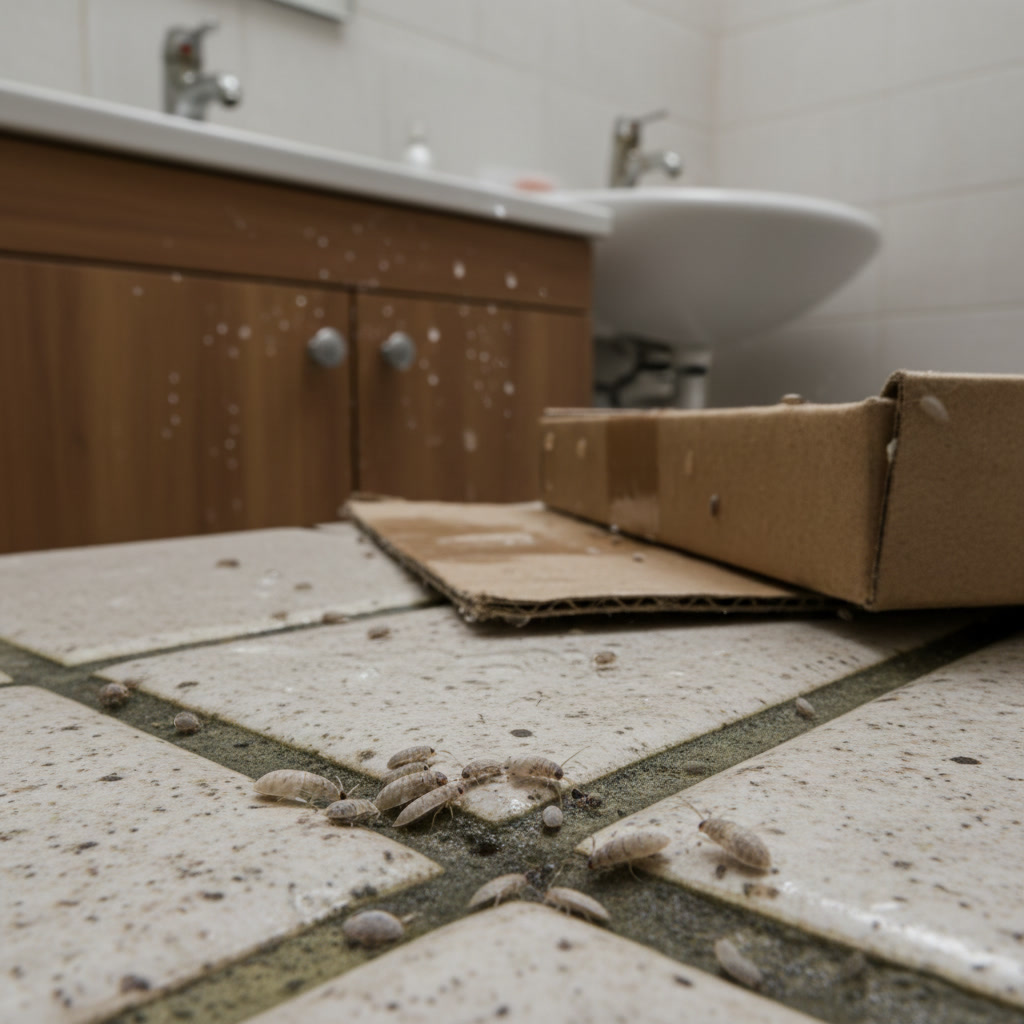
Booklice and psocids are similarly tiny but gray or translucent rather than red. They prefer humid environments like bathrooms and kitchens, while clover mites favor dry, sunny locations. Springtails jump when disturbed, a behavior clover mites never display. When dealing with any unidentified insects or arthropods, accurate identification ensures the correct treatment approach.

Seasonal Patterns and Weather Triggers
Clover mite invasions follow predictable seasonal patterns. Spring migrations occur when temperatures rise above 45 degrees Fahrenheit and outdoor vegetation begins active growth. Fall invasions happen when cooler temperatures and shorter days signal approaching winter. Both periods coincide with population peaks in outdoor clover mite colonies. A single female can produce up to 70 eggs, leading to exponential population growth under favorable conditions.
Specific weather events trigger sudden indoor migrations. Extended dry periods stress outdoor mite populations and drive them toward moisture near building foundations. Heavy rainfall floods their soil habitats and forces them to higher ground, often straight up exterior walls. Temperature swings of 20 degrees or more within 24 hours also prompt movement. Tracking these weather patterns helps predict when invasions are most likely.
Damage Clover Mites Can Cause Indoors
While clover mites don’t bite, spread disease, or consume building materials, they create specific problems for homeowners. The primary concern is cosmetic damage from their crushing stains. White curtains, light-colored upholstery, and painted walls show permanent discoloration if mites are crushed against them. Carpets near windows may develop scattered red spots that resist standard cleaning methods.
Large populations disturb household comfort simply through their overwhelming numbers. Finding thousands of mites covering windows and walls creates significant stress for residents. The constant cleaning required to remove daily accumulations becomes exhausting. In extreme cases, mites spread beyond entry points to infest entire rooms, crawling across ceilings, furniture, and personal belongings. Unlike wood-damaging pests that threaten structural integrity, clover mites primarily impact quality of life and property appearance.
Entry Points and Vulnerable Areas to Inspect
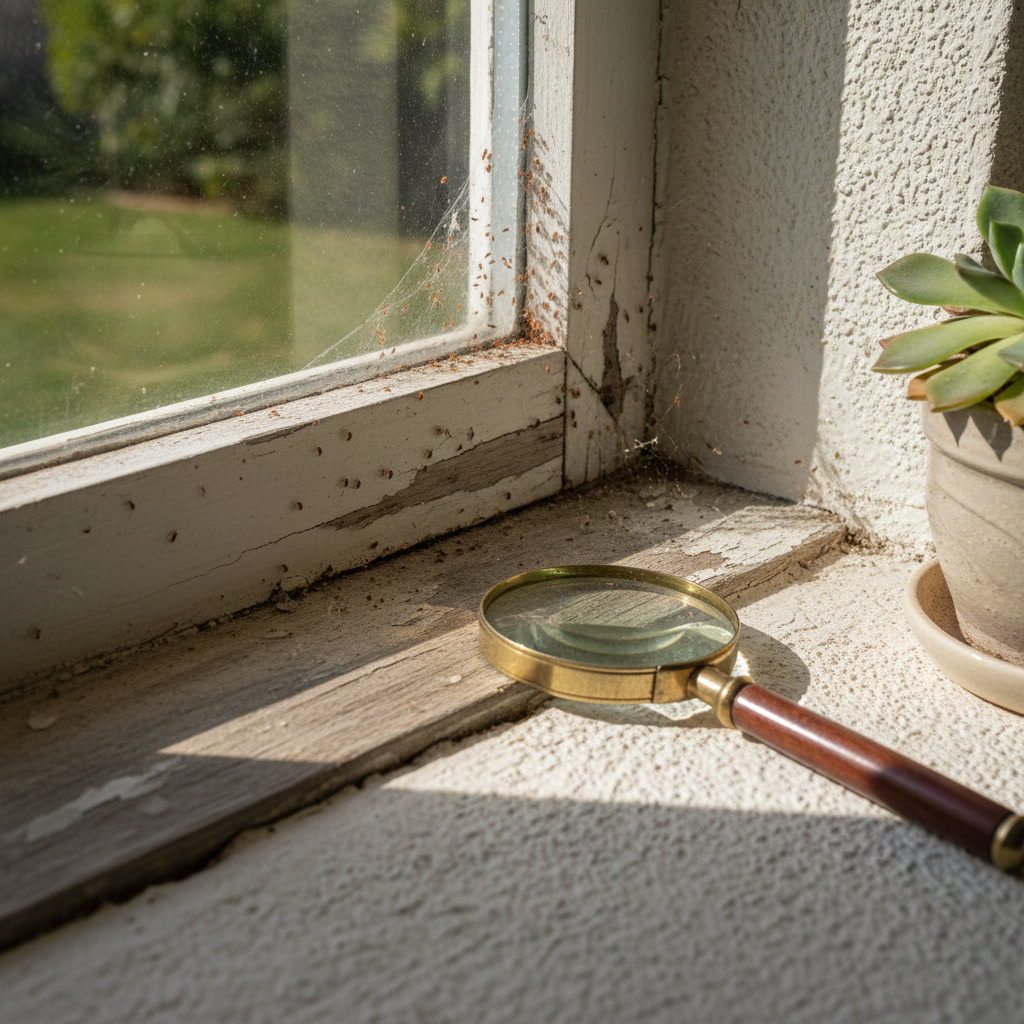
Clover mites exploit gaps as small as 1/64th of an inch to enter buildings. Window frames develop microscopic cracks where caulk has deteriorated or where different materials meet. Check the junction between window glass and frame, especially on older windows with dried or missing glazing compound. Door weatherstripping loses effectiveness over time, creating entry routes along thresholds and frame edges.
Foundation cracks allow direct access from soil-level mite colonies into basements and crawl spaces. Expansion joints in concrete, mortar gaps between bricks, and spaces around utility penetrations all serve as highways for migrating mites. Siding that has warped or pulled away from sheathing creates hidden channels behind the exterior surface. Vents without proper screening permit free entry. A thorough exterior inspection during peak migration seasons reveals the specific vulnerabilities your property presents.
Prevention Strategies That Actually Work
Effective clover mite prevention starts 18 to 24 inches from your foundation. Creating a vegetation-free barrier zone eliminates the mites’ food source immediately adjacent to the building. Remove grass, clover, ground covers, and mulch from this strip, replacing them with gravel or bare soil. This single measure reduces populations by up to 90 percent because mites must cross hostile terrain to reach entry points.
Seal exterior gaps using appropriate materials for each location. Silicone caulk works for window and door frames, while polyurethane foam fills larger foundation cracks. Replace worn weatherstripping and door sweeps. Install fine mesh screens over foundation vents and attic openings. These physical barriers stop mites without requiring chemical treatments. For homeowners in Nassau County or Suffolk County, coastal moisture can accelerate caulk deterioration, requiring annual inspection and maintenance.
Reduce lawn fertilization near the building perimeter. Over-fertilized grass produces lush growth that supports massive clover mite populations. Maintain grass at three inches or higher to shade soil and create less favorable mite habitat. Remove dead vegetation and thatch buildup where mites overwinter. These cultural practices address the root cause rather than just managing symptoms.
When to Seek Professional Pest Management
DIY approaches work for small, localized clover mite problems discovered early. Once mites spread throughout multiple rooms or return immediately after cleaning, professional intervention becomes necessary. Persistent infestations indicate either large outdoor populations or numerous undetected entry points that require expert diagnosis. Royal Exterminating Co provides comprehensive pest assessments that identify both current infestations and structural vulnerabilities.
Professional treatments combine targeted exterior applications with exclusion work that amateur efforts cannot match. Specialists apply residual barriers to foundation zones, creating a protective buffer that eliminates mites before they reach entry points. This approach protects interior surfaces from staining while addressing the outdoor population. Professionals also access difficult areas like high exterior walls, under siding, and within wall voids where homeowners cannot safely work.
Protecting Your Home From Future Invasions
Long-term clover mite management requires ongoing vigilance rather than one-time fixes. Schedule exterior inspections each spring and fall before peak migration periods. Monitor the vegetation-free barrier zone to ensure plants haven’t recolonized the space. Check caulk and weatherstripping annually, repairing any deterioration immediately. After storms or extreme weather, inspect vulnerable areas for new damage that creates entry points.
Document where you find mites each season to identify patterns. Certain windows or wall sections may consistently show activity, indicating persistent outdoor colonies or structural issues requiring attention. Keeping records helps you and pest management professionals target interventions more precisely. Understanding the connection between outdoor mite populations and indoor invasions empowers you to take preventive action before problems escalate.
Royal Exterminating Co offers specialized treatment plans for clover mites and other seasonal invaders throughout New York City and surrounding counties. Our licensed technicians understand the unique challenges posed by these tiny arachnids and implement solutions tailored to your property’s specific vulnerabilities. Whether you’re dealing with your first clover mite appearance or facing recurring seasonal invasions, professional assessment ensures effective, lasting results. Contact our team at +16469962656 to schedule an inspection and protect your home from these persistent pests.