Millipede control DIY methods can successfully address minor invasions, but understanding the limits of home remedies is critical. When outdoor moisture levels rise or temperatures drop, millipedes migrate indoors in search of better conditions. Small numbers of these arthropods can typically be managed with basic exclusion and environmental changes, while large or recurring infestations often require professional intervention to identify hidden moisture sources and breeding sites.
Why Millipedes Enter Your Home in the First Place
Millipedes live outdoors in leaf litter, mulch, and damp soil where they feed on decaying organic matter. They become a problem when their outdoor habitat becomes too wet, too dry, or otherwise unsuitable. Heavy rains saturate the soil and force millipedes to higher ground, often leading them directly to foundation cracks and doorway gaps. Similarly, drought conditions push them toward any available moisture, including the damp spaces around your home’s perimeter.
These arthropods do not bite, sting, or damage structures, but they can invade in startling numbers. Hundreds of millipedes crawling across basement floors or gathering near entry points signal an environmental imbalance either inside or immediately outside your home. Understanding this trigger helps you decide whether a DIY approach will solve the problem or if the issue runs deeper.
The Difference Between Millipedes and Similar Household Arthropods
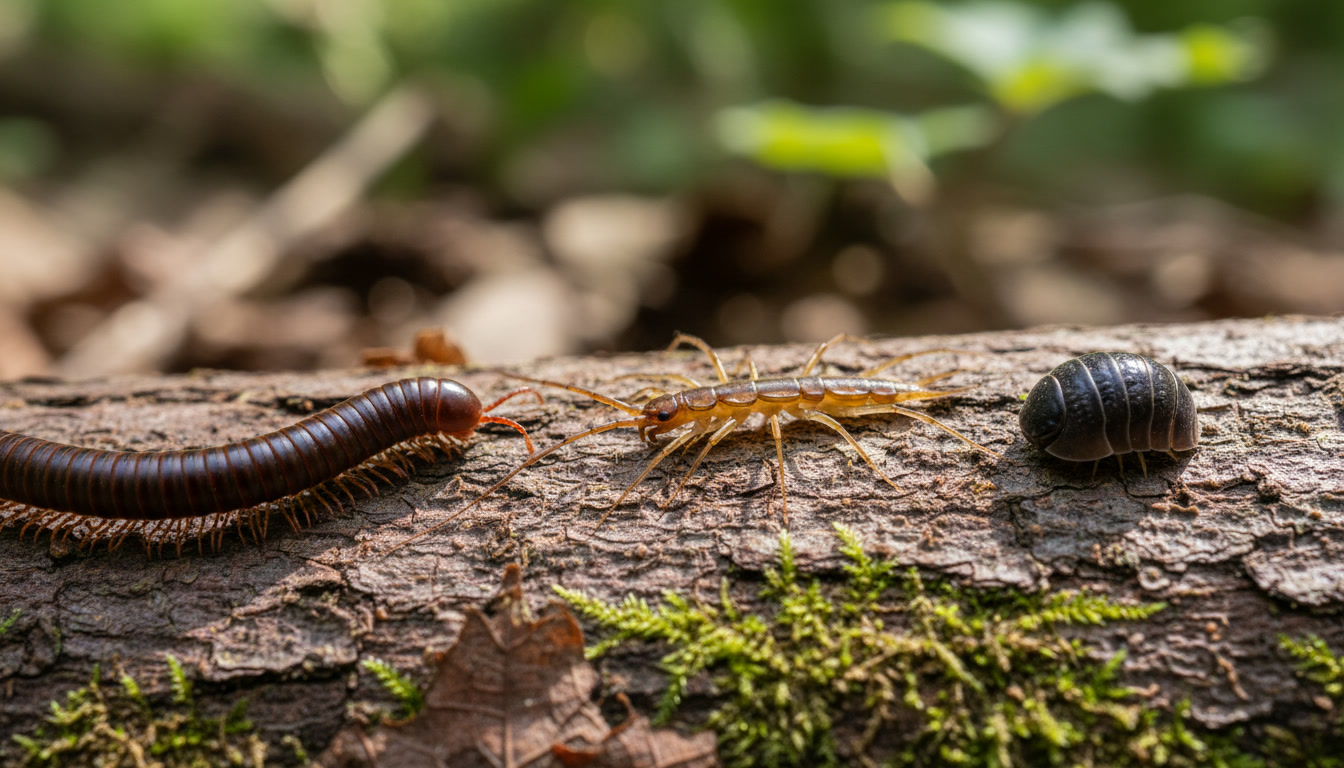
Homeowners often confuse millipedes with centipedes or other moisture-loving pests. Millipedes have two pairs of legs per body segment, move slowly, and curl into a tight coil when disturbed. Centipedes have one pair of legs per segment, move quickly, and can deliver a painful bite. If you have been dealing with pill bugs or sow bugs, you are facing a different moisture problem that may overlap with millipede issues but requires slightly different treatment.
Correctly identifying the pest ensures you use the right methods. Millipedes release a defensive fluid when crushed that can stain surfaces and cause minor skin irritation, so vacuuming is always preferable to squashing them. This behavior also makes them easier to distinguish from other similar-looking creatures indoors.
Immediate Steps to Remove Millipedes Already Inside
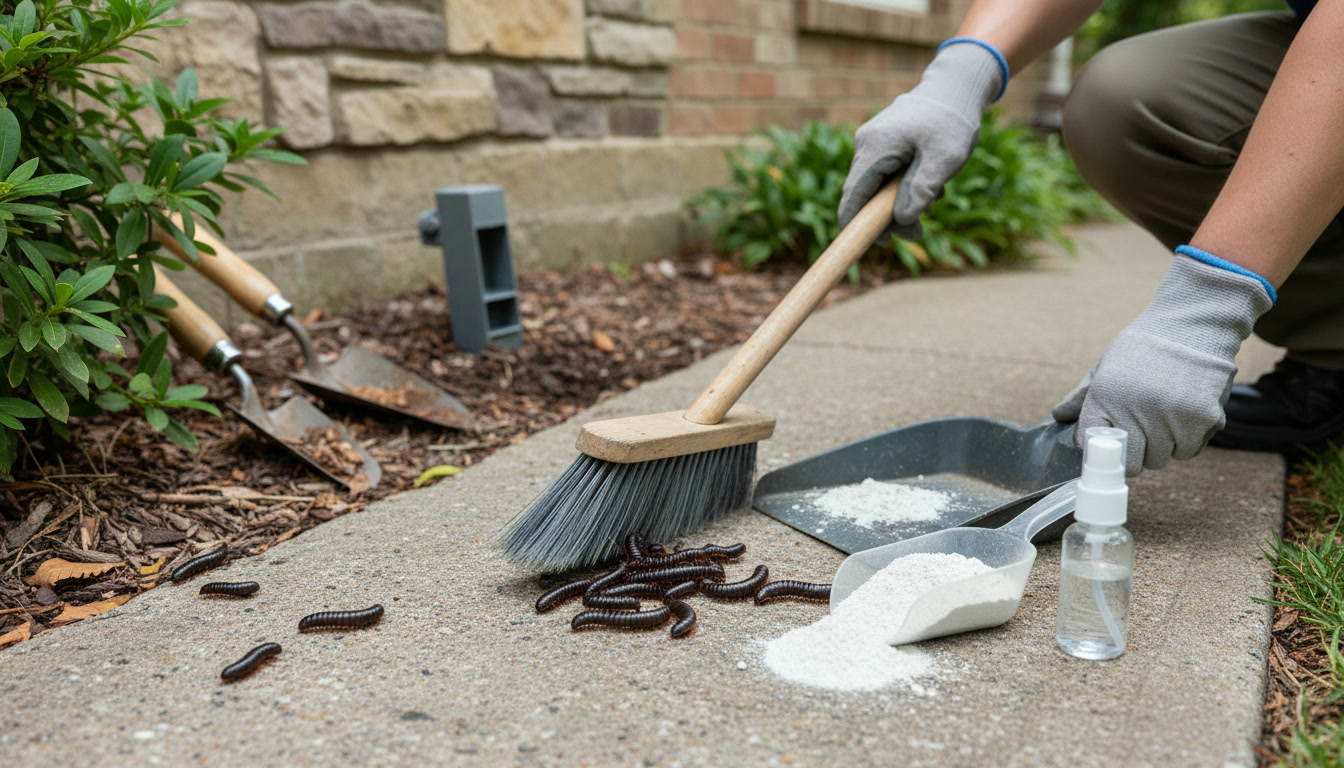
If you find millipedes crawling across floors or clustering in corners, a vacuum cleaner with a hose attachment is your best first tool. Vacuum them up immediately and dispose of the bag or empty the canister outside, far from the house. Sweeping them outside rarely works because they will simply re-enter through the same gaps they used initially.
For millipedes on walls or in hard-to-reach spaces, a damp cloth works well. Wipe them into a container and release them at least 20 feet from your foundation. Avoid crushing them on carpet or fabric, as their defensive secretions can leave stains. These immediate removal tactics address the visible problem but do nothing to prevent new waves from entering.
How to Seal Entry Points and Prevent Future Access
Millipedes enter through foundation cracks, gaps under doors, damaged weatherstripping, and spaces around utility penetrations. Walk the perimeter of your home and inspect every potential opening at ground level. Use caulk or expanding foam to seal cracks wider than one-sixteenth of an inch. Replace worn door sweeps and add weatherstripping to garage doors that do not sit flush against the threshold.
Pay special attention to basement window wells, crawl space vents, and areas where siding meets the foundation. Millipedes are surprisingly flat and can squeeze through openings that look insignificant. A thorough sealing job can reduce entry by 70 to 80 percent, but complete exclusion is nearly impossible because gaps you cannot see or reach will remain.
Outdoor Modifications That Reduce Millipede Populations in Queens County
The most effective millipede control DIY strategy targets the outdoor habitat. Remove leaf litter, grass clippings, and mulch within three feet of your foundation. Millipedes thrive in these materials, and reducing their food and shelter near your walls dramatically cuts the population pressing against your home. Store firewood at least 20 feet away and elevate it off the ground.
Improve drainage around the foundation by extending downspouts, grading soil away from the house, and filling low spots where water collects. Millipedes in Queens County often spike after summer thunderstorms because saturated soil pushes them toward drier indoor spaces. A French drain or simple regrading project can eliminate the moisture that draws them close in the first place.
Indoor Moisture Control to Eliminate Attractants
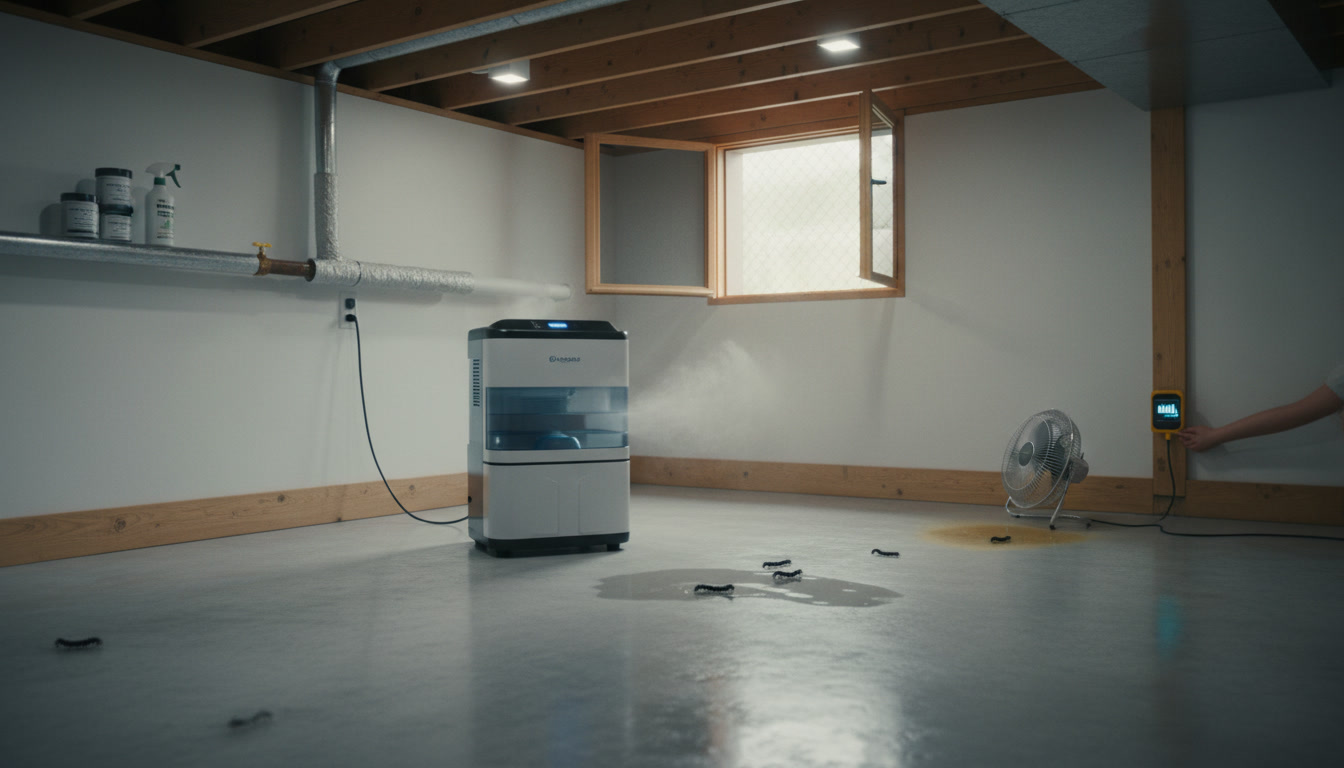
Millipedes that make it indoors are searching for moisture. Basements, crawl spaces, laundry rooms, and bathrooms with poor ventilation become prime destinations. Run a dehumidifier in basements to keep relative humidity below 50 percent. Fix leaking pipes, repair dripping faucets, and ensure that dryer vents exhaust to the outside rather than into crawl spaces.
Check for condensation on cold water pipes and insulate them if necessary. Even small amounts of standing water in floor drains or sump pump basins can sustain millipede populations. Eliminating these moisture sources makes your home far less hospitable and often solves the problem without any need for pesticides or traps.
DIY Barriers and Natural Deterrents
Diatomaceous earth, a powder made from fossilized algae, can be applied along baseboards, in crawl spaces, and around entry points. The microscopic sharp edges damage the exoskeleton of millipedes and cause them to dehydrate. Use food-grade diatomaceous earth and reapply after it gets wet, as moisture eliminates its effectiveness.
Some homeowners report success with cedar oil sprays or peppermint oil solutions, though scientific evidence supporting these deterrents is limited. If you choose to try natural repellents, apply them outdoors along the foundation rather than indoors where they are less effective. These methods work best as supplements to exclusion and moisture control rather than standalone solutions.
When DIY Efforts Are Not Enough
If you continue seeing dozens of millipedes daily despite sealing entry points and controlling moisture, the infestation likely originates from a hidden source you cannot access. Millipedes breeding under concrete slabs, inside wall voids, or deep within crawl spaces require specialized equipment and treatment methods. Repeated waves of millipedes after heavy rain or during seasonal transitions also indicate a larger population problem that DIY methods cannot fully address.
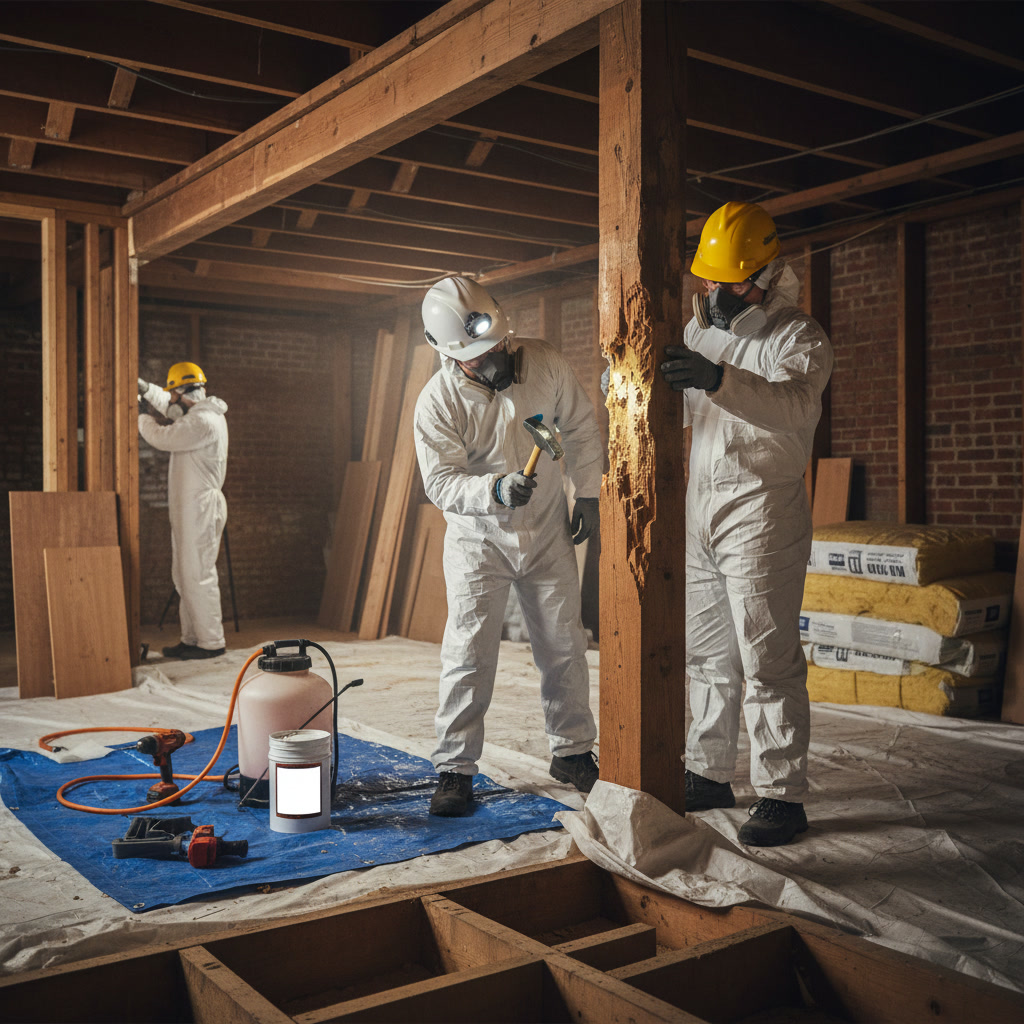
Professional pest control becomes necessary when the infestation disrupts daily life, when you find millipedes in multiple rooms simultaneously, or when structural moisture problems contribute to the invasion. Experts can apply residual insecticides in targeted areas, identify and treat outdoor breeding sites, and recommend construction repairs that eliminate long-term vulnerabilities. The insects and arthropods category includes millipedes, and understanding their biology helps professionals develop more effective treatment plans than generic DIY approaches allow.
How Professionals Handle Severe Millipede Problems
Licensed exterminators begin with a thorough inspection of both indoor and outdoor areas to identify moisture sources, entry points, and population concentrations. They often discover issues homeowners miss, such as clogged gutters that overflow onto the foundation, improperly graded landscaping, or hidden plumbing leaks inside walls. Treatment typically involves applying barrier sprays around the foundation perimeter and in mulch beds where millipedes congregate.
For severe cases, professionals may treat crawl spaces and basements with residual insecticides and install vapor barriers to control moisture. They also provide detailed recommendations for landscaping changes and structural repairs that prevent future invasions. This comprehensive approach addresses both the immediate infestation and the underlying conditions that allowed it to develop, something DIY methods rarely accomplish fully.
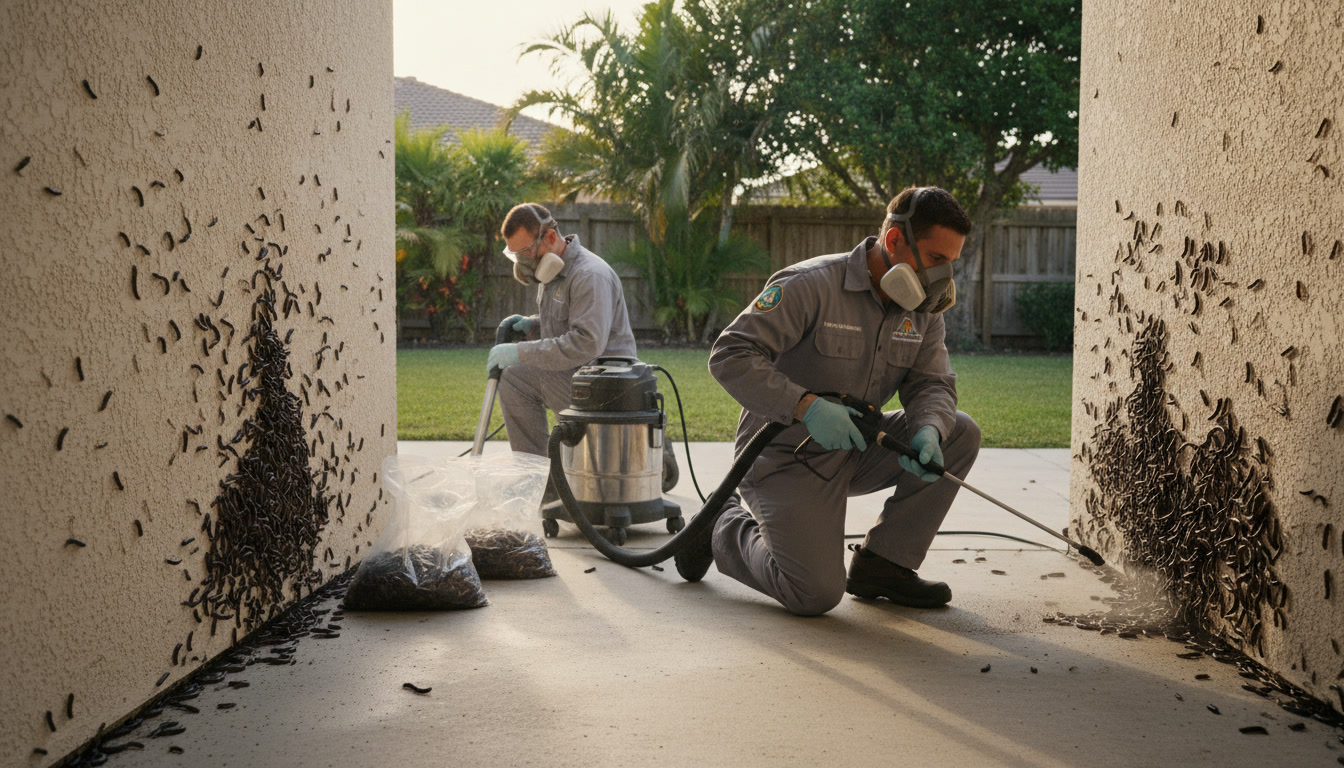
Cost Comparison of DIY Versus Professional Treatment
DIY millipede control costs between 50 and 150 dollars for materials including caulk, weatherstripping, diatomaceous earth, and dehumidifier operation. These expenses address minor infestations effectively but require significant time and repeated efforts. Professional treatment typically ranges from 200 to 500 dollars for an initial service with follow-up visits, depending on property size and infestation severity.
The value calculation depends on the scope of the problem. A dozen millipedes appearing once after a rainstorm justifies a DIY response. Hundreds of millipedes appearing weekly across multiple entry points warrant professional help. Attempting DIY solutions for months while the infestation worsens wastes both money and time, and the eventual professional service will cost the same or more after the problem has escalated.
Protecting Your Home From Future Millipede Invasions
Long-term millipede prevention requires ongoing vigilance rather than one-time fixes. Maintain the three-foot vegetation-free zone around your foundation and keep mulch depth below two inches. Clean gutters twice yearly and ensure downspouts carry water at least five feet from the house. Inspect weatherstripping and door sweeps each spring and replace them as soon as wear appears.
Monitor indoor humidity levels year-round and run dehumidifiers whenever readings exceed 50 percent. Schedule annual inspections of your foundation, crawl space, and basement to catch moisture problems before they attract pests. These habits prevent not only millipedes but also a wide range of moisture-loving pests that threaten comfort and property value. Royal Exterminating Co offers pest assessments that identify vulnerabilities before they become full-scale infestations, saving homeowners the frustration of dealing with repeated invasions.
Effective millipede management combines immediate removal of visible pests, thorough exclusion work to block entry points, and environmental modifications that eliminate moisture attractants. DIY methods handle small problems successfully, but larger or recurring infestations require professional expertise to identify hidden sources and apply targeted treatments. Knowing when to escalate from DIY to professional help prevents wasted effort and protects your home from ongoing invasions.
Royal Exterminating Co provides comprehensive millipede control services throughout the New York City area, combining detailed inspections with effective treatment and prevention strategies. If your millipede problem persists despite your best DIY efforts, contact us at (646) 996-2656 to schedule an assessment and take back control of your home.