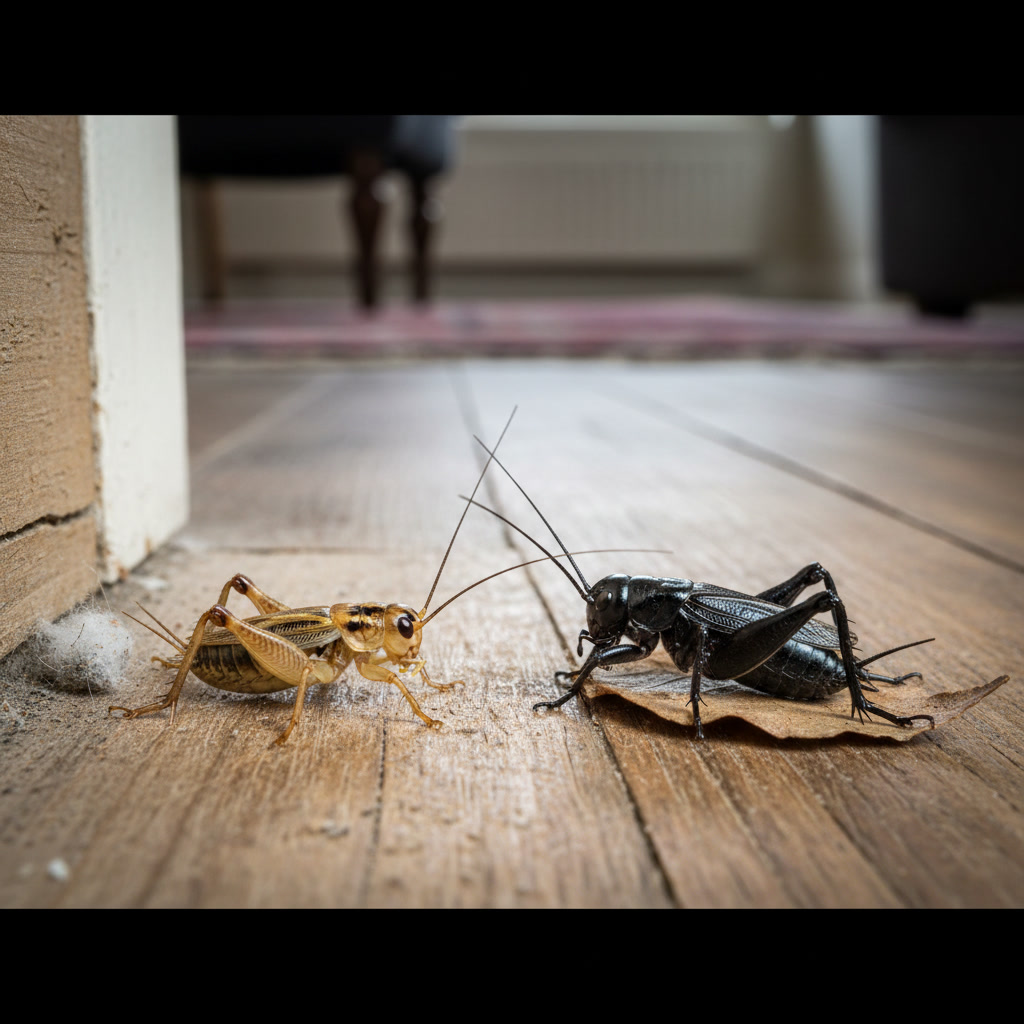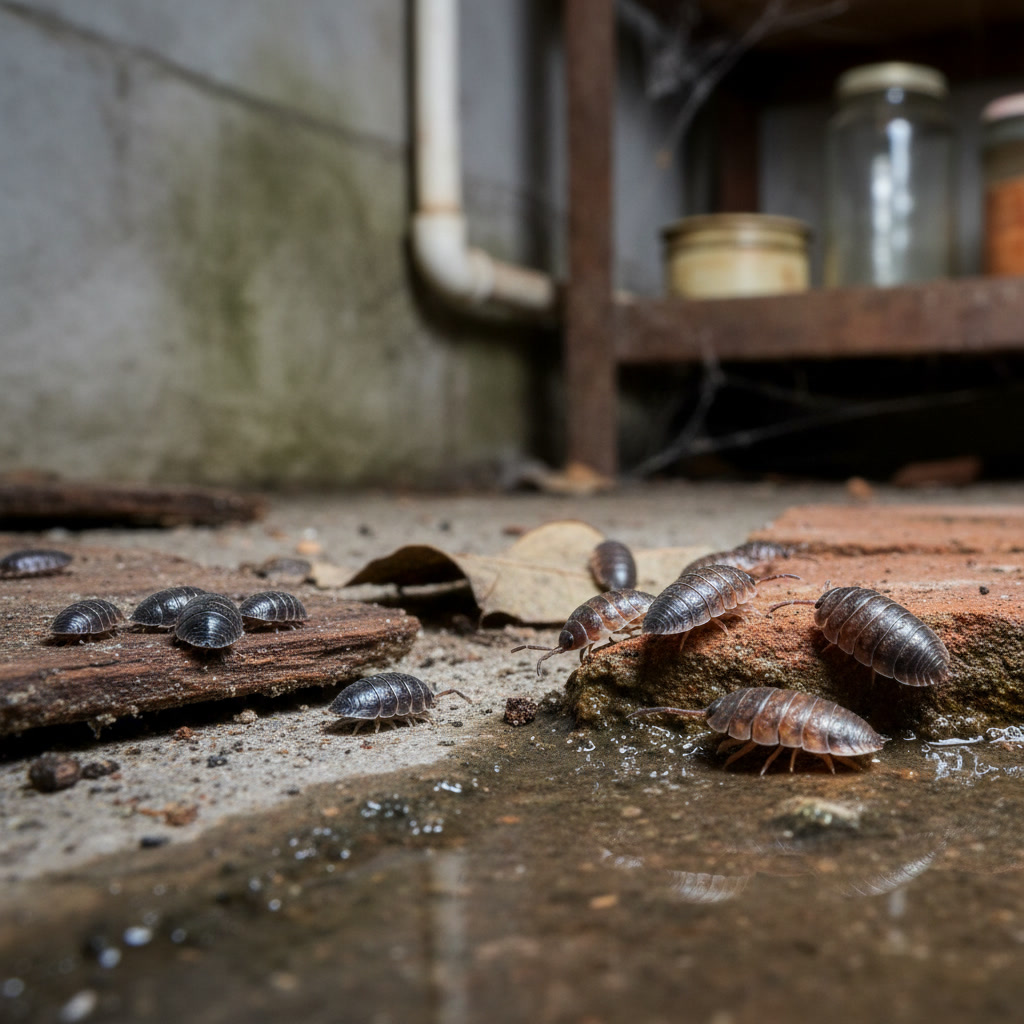
Recognizing insect infestation signs early gives you the best chance to stop pest problems before they cause serious damage or health risks. Common indicators include unexplained droppings, damaged materials, unusual odors, sightings of live or dead insects, and evidence of nesting or breeding. The specific signs vary by pest type, but all require prompt attention to prevent the problem from escalating.
Why Early Detection Matters for Your Home
Most homeowners discover pest problems only after populations have grown substantially. By that point, insects have already established multiple breeding sites, created hidden pathways through walls and floors, and potentially caused structural damage that costs thousands to repair.
Early detection dramatically reduces treatment complexity and cost. A small cluster of ants found near a kitchen window can often be resolved with targeted treatment. That same colony, left unnoticed for three months, may have spread to wall voids, created satellite colonies, and become resistant to basic interventions.
Health risks also multiply with time. Cockroach populations double every few weeks under ideal conditions, spreading allergens throughout your home. Bed bug infestations can trigger anxiety, sleep disruption, and secondary skin infections from scratching bites.
Understanding Pest Behavior in Queens County Homes
New York homes face unique pest pressures due to dense housing, aging infrastructure, and varied climate conditions. Multi-family buildings create interconnected pathways that allow pests to migrate between units. Older construction often includes cracks, gaps, and deteriorated materials that provide countless entry points.
Seasonal patterns influence when different species become active. Ants typically surge in spring as colonies expand. Cockroaches thrive year-round in heated buildings but increase activity during warm months. Bed bugs show no seasonal preference, spreading continuously through human travel and secondhand furniture.
Your home’s specific characteristics determine vulnerability. Basements with moisture issues attract silverfish and centipedes. Kitchens with poor sanitation draw cockroaches and pantry moths. Cluttered bedrooms provide ideal harborage for bed bugs.
Visual Evidence You Should Never Ignore
Live insects during daylight hours often signal established populations. Most household pests avoid light and human activity, so daytime sightings mean the hidden population has grown large enough to force individuals into suboptimal locations.
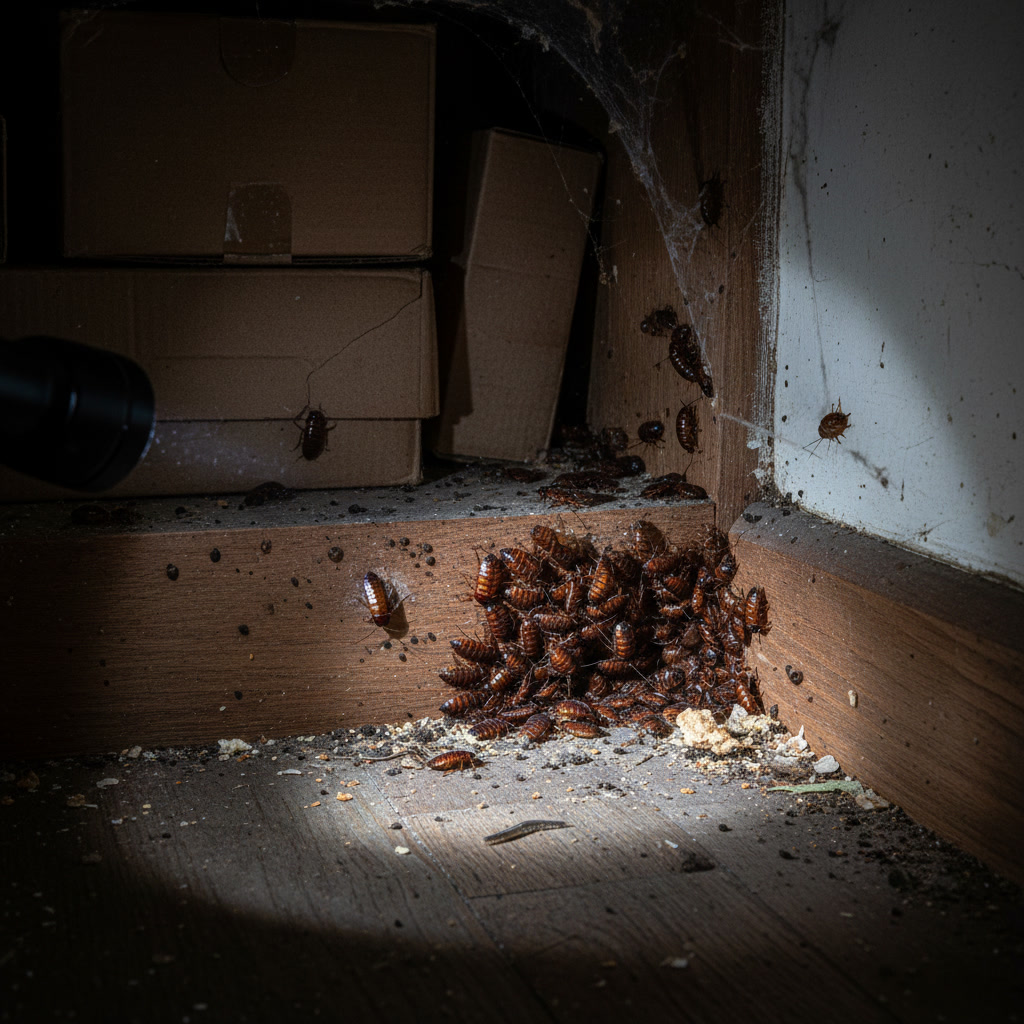
Dead insects concentrated near windows, baseboards, or light fixtures indicate breeding somewhere nearby. Finding five dead roaches in one week suggests dozens more hiding in walls or cabinets.
Cast skins and shed exoskeletons mark areas where insects molt as they grow. Cockroach nymphs shed six to seven times before reaching adulthood. Bed bugs leave translucent shells near mattress seams and headboards. Finding these remnants confirms active reproduction.
Droppings and Staining Patterns
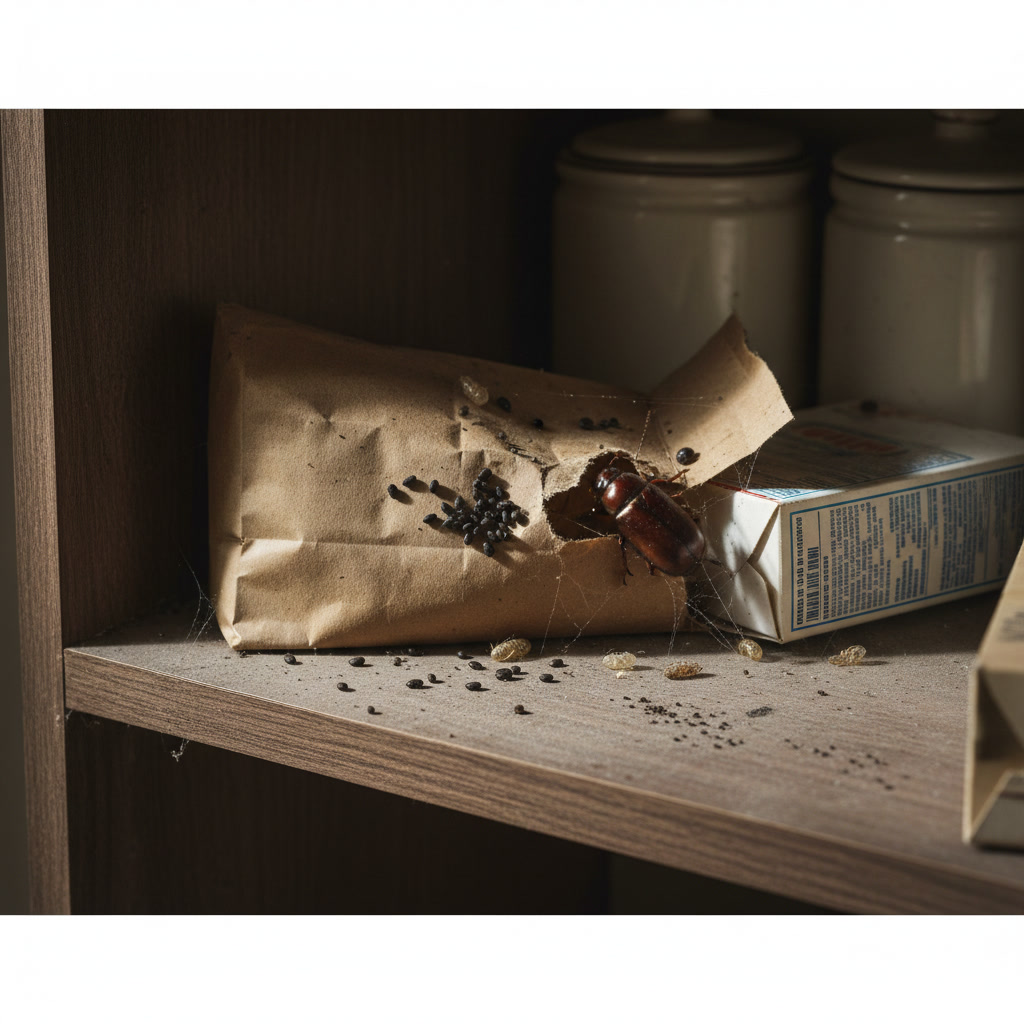
Insect feces vary by species but share common characteristics. Cockroach droppings resemble black pepper or coffee grounds, often appearing in drawer corners, beneath sinks, and along baseboards. Larger species leave cylindrical pellets with ridges.
Bed bug excrement appears as tiny dark spots on sheets, mattresses, and nearby walls. These stains result from digested blood and often form clusters near feeding sites. Fresh droppings may smear when touched, while older spots dry to a rust-colored stain.
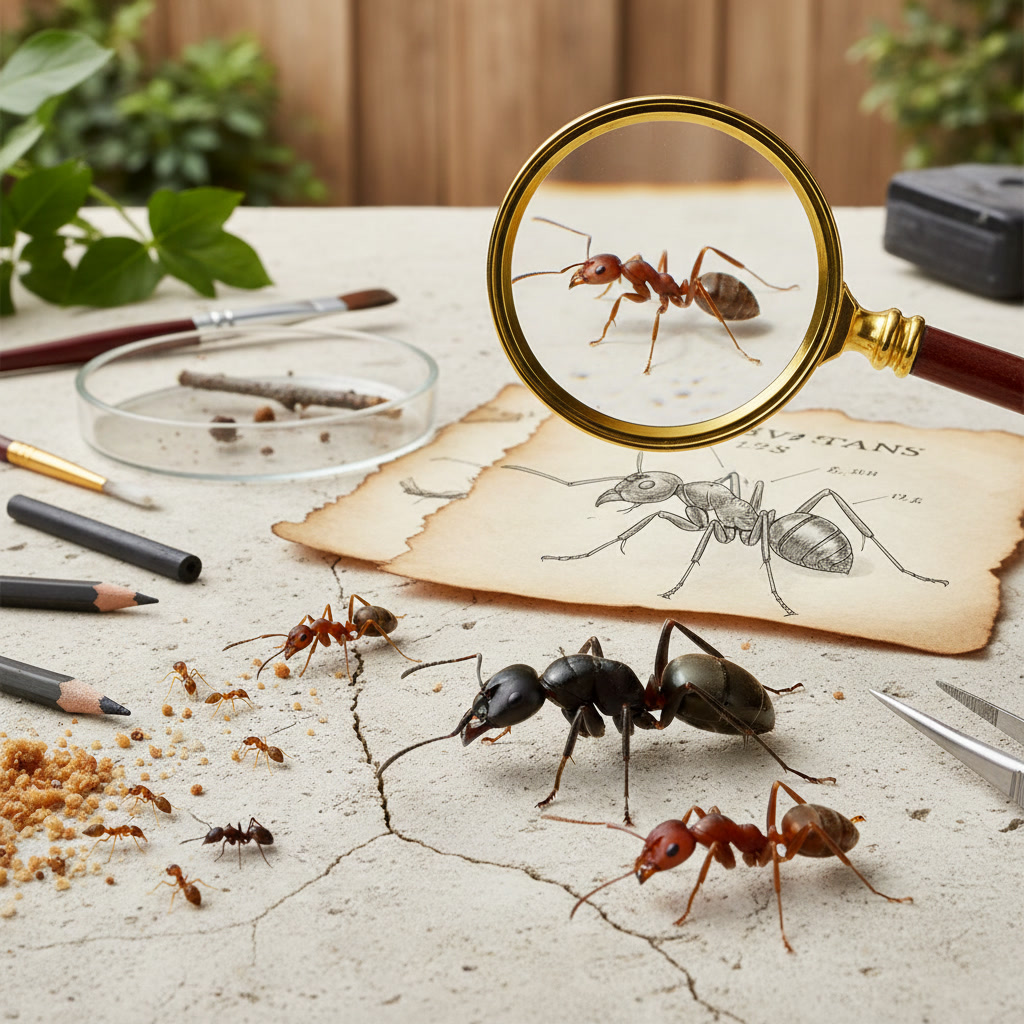
Carpenter ant frass consists of fine sawdust mixed with insect body parts, appearing in small piles beneath wood they excavate. This material differs from termite evidence, which appears more uniform and paste-like. Professional wood-damaging pest identification prevents misdiagnosis.
Regular inspection of hidden areas reveals these patterns before they become obvious. Check behind appliances, inside cabinets, and along pipe chases monthly. Use a flashlight to examine dark corners and crevices where droppings accumulate.
Odor Changes That Signal Trouble
Established insect populations produce distinctive smells. Cockroaches emit a musty, oily odor that intensifies as populations grow. The scent comes from pheromones they use for communication and can permeate entire rooms when infestations become severe.
Bed bugs release a sweet, somewhat sickly smell described as similar to coriander or almonds. You typically notice this only with large infestations involving hundreds of insects. The odor comes from scent glands they use as alarm signals.
Ant colonies produce formic acid that creates a sharp, vinegary smell when crushed or disturbed. Carpenter ants in walls sometimes produce a faint woody or moldy odor near galleries they excavate.
New or unexplained smells warrant investigation, especially when combined with other warning signs. Your nose often detects problems before your eyes do.
Damage to Materials and Structures
Fabric damage indicates clothes moths or carpet beetles. Small irregular holes in wool garments, silk items, or upholstery suggest larval feeding. You may also find silken tubes or cases attached to damaged materials.
Paper and cardboard destruction points to silverfish, firebrats, or cockroaches. These pests consume the glue, sizing, and cellulose in books, wallpaper, and stored documents. Irregular notches along edges or surface grazing characterize their feeding.
Wood damage requires careful assessment to identify the culprit. Carpenter ants create smooth galleries free of debris, while termites pack tunnels with mud and feces. Powder post beetles leave tiny round exit holes and fine powder. Understanding these distinctions prevents wasted effort on inappropriate treatments, as detailed in wood pest identification guides.
Unexplained Bites and Skin Reactions
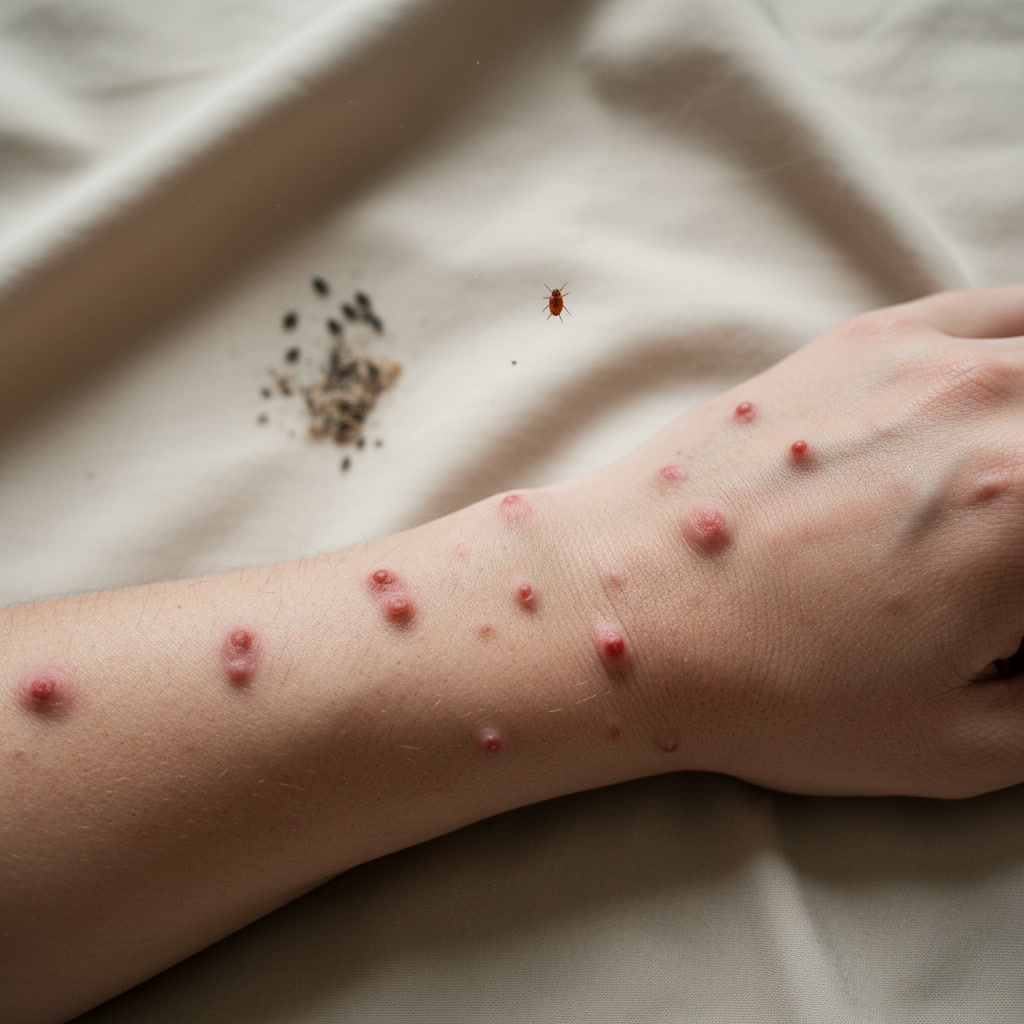
Waking with itchy welts suggests bed bugs, though other causes exist. Bed bug bites often appear in clusters or lines on exposed skin, typically arms, shoulders, and legs. Reactions vary dramatically between individuals, with some people showing no visible marks.
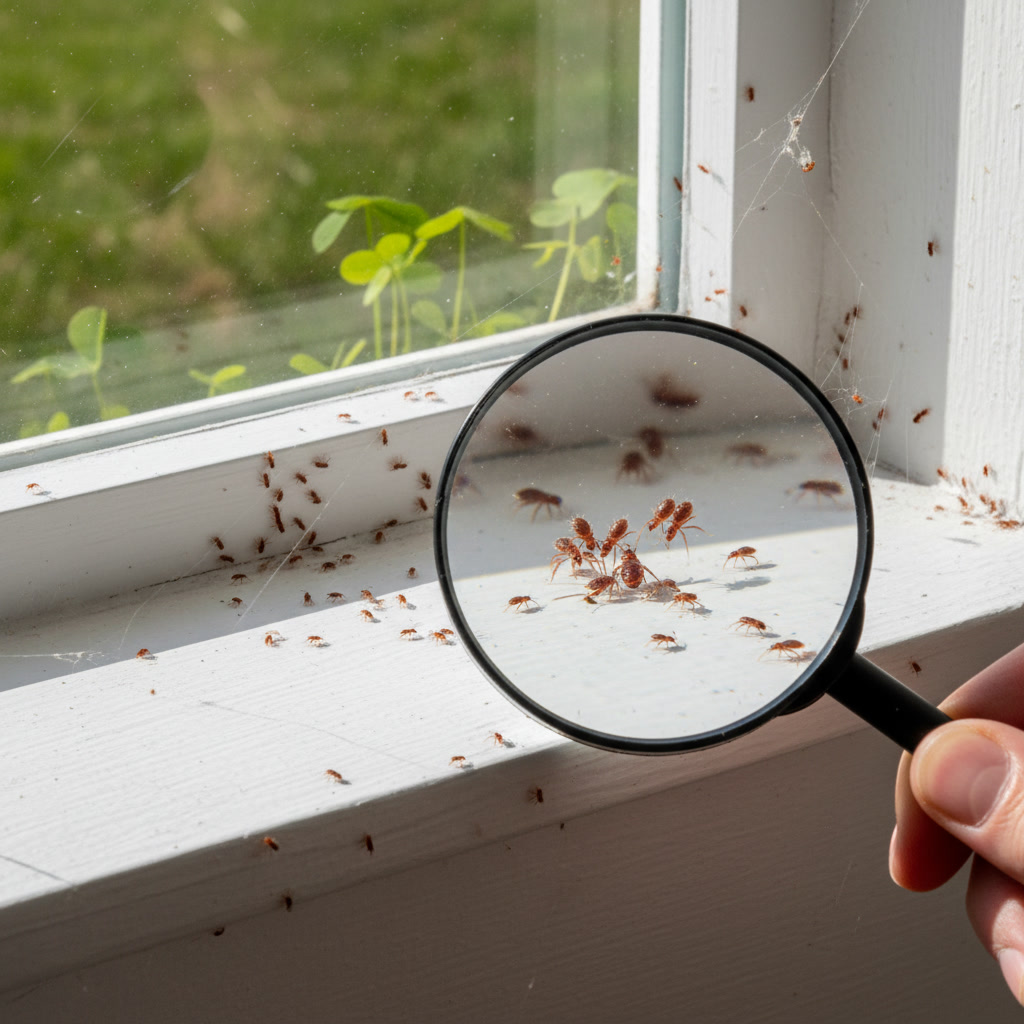
Not all bites come from bed bugs. Fleas leave small red spots concentrated around ankles and lower legs. Mosquitoes that enter through torn screens create scattered, raised bumps. Mites from bird nests or rodents cause intense itching with tiny bites.
Professional identification through bed bug inspection services confirms the source before you invest in treatment. Misidentifying the pest leads to ineffective solutions and continued problems.
Sounds Within Walls and Ceilings
Nocturnal scratching or rustling often indicates rodents rather than insects, but some arthropods create audible sounds. Large cockroach infestations produce faint rustling in walls when populations move at night. The sound resembles light rain or wind through dry leaves.
Carpenter ants excavating wood create subtle crunching or crackling sounds, most noticeable in quiet evening hours. Place your ear against the wall near suspected activity to detect this evidence.
Flying insects trapped in light fixtures or between window panes buzz persistently. Cluster flies, boxelder bugs, and lady beetles commonly overwinter in wall voids and emerge into living spaces during warm spells, creating noticeable noise.
Tracking Trails and Movement Patterns
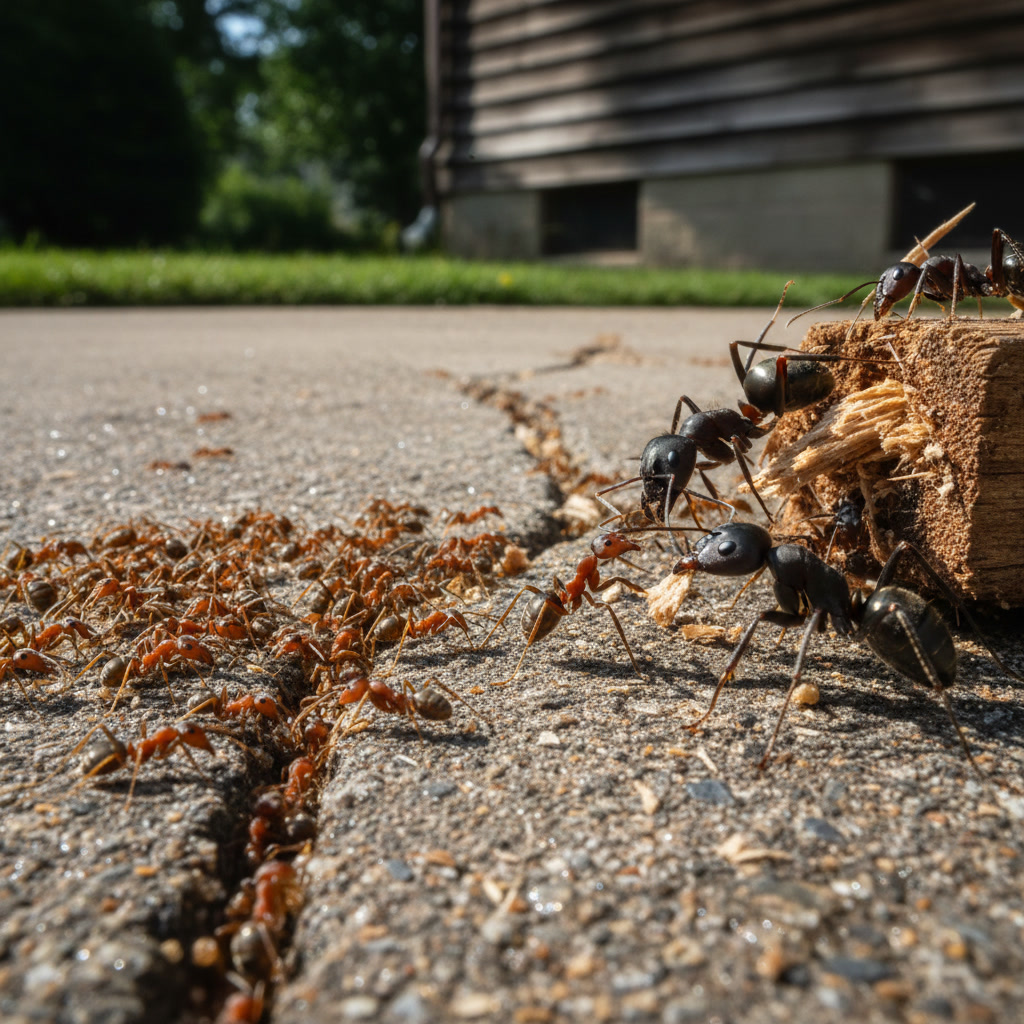
Ants follow pheromone trails that appear as organized lines between food sources and nests. These highways reveal entry points and nest locations. Observing where trails disappear into walls or floors identifies treatment zones.
Cockroaches leave greasy smear marks along edges where they repeatedly travel. These dark streaks appear where walls meet floors, along pipe runs, and near appliances. The marks contain pheromones that attract other roaches, reinforcing travel routes.
Tracking powder applied by professionals reveals hidden pathways. Fine dust placed strategically shows footprints and movement patterns invisible to casual observation. This technique helps locate nests and breeding sites that require targeted treatment through comprehensive arthropod control.
Identifying Nesting Sites and Aggregation Areas
Pests concentrate in specific microhabitats within your home. Cockroaches prefer warm, humid locations near food and water: beneath refrigerators, inside stove insulation, behind dishwashers, and in bathroom cabinets.
Bed bugs cluster near hosts, typically within 8 feet of sleeping areas. Check mattress seams, box spring corners, headboard crevices, and nearby furniture. They also hide behind wall hangings, electrical outlets, and loose wallpaper.
Ants nest in wall voids, beneath floors, and in exterior soil adjacent to foundations. Indoor nests often form in insulation, behind tile, or in potted plants. Finding the nest distinguishes between indoor breeding and outdoor colonies that forage inside.
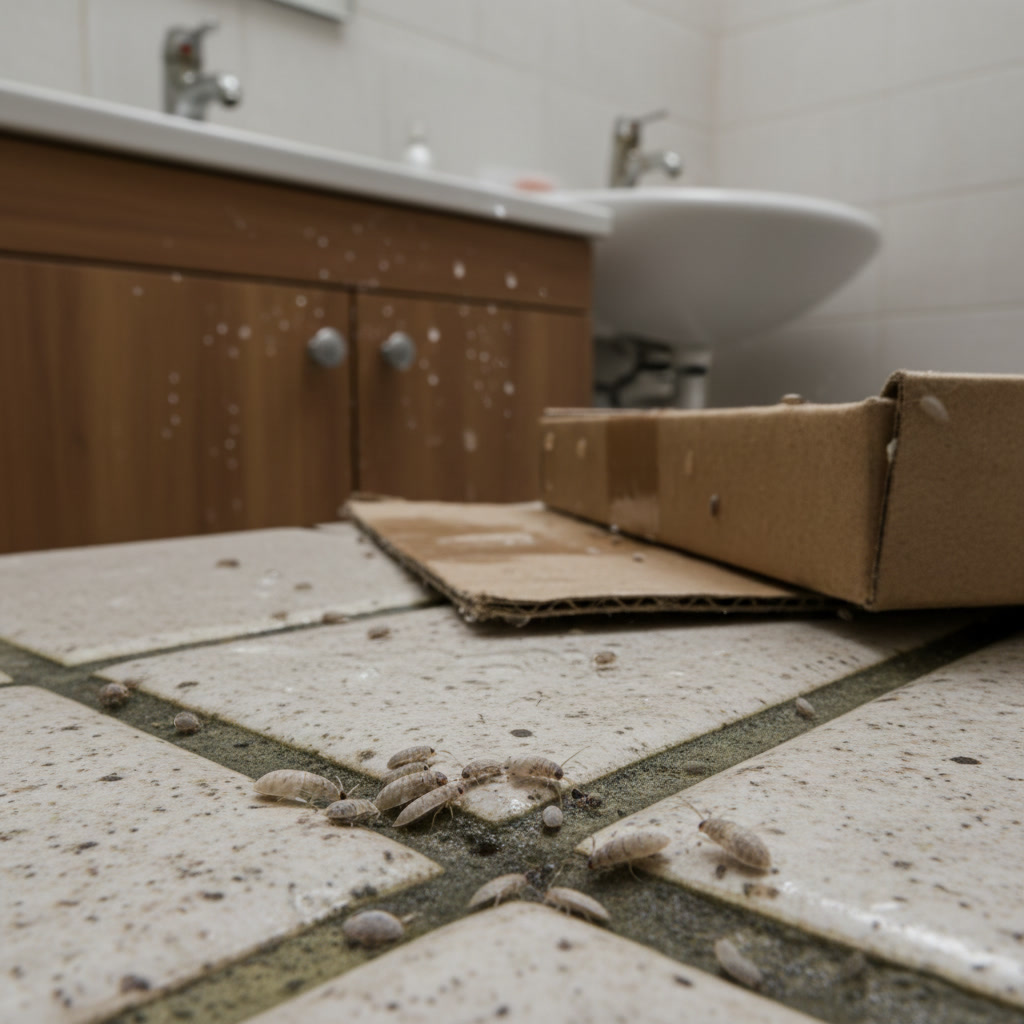
Silverfish congregate in damp basements, bathrooms, and storage areas with high humidity. Look for them in cardboard boxes, behind washing machines, and in cluttered closets.
Professional Assessment Brings Clarity and Solutions
Recognizing these warning signs empowers you to act quickly, but professional evaluation ensures accurate identification and effective treatment. Pest species require different approaches, and misidentification wastes time and money.
Expert technicians recognize subtle evidence invisible to untrained observers. They know where to look, what tools reveal hidden infestations, and how to distinguish active problems from past issues. Thermal imaging detects bed bugs behind walls. Moisture meters identify conditions that attract certain pests. Knowledge of pest biology predicts where populations will spread next.
Treatment success depends on precise targeting. Generic sprays rarely solve established infestations and may scatter pests to new locations. Professional protocols combine multiple methods: exclusion to prevent entry, sanitation to remove attractants, monitoring to track populations, and targeted treatments applied where pests actually live and breed.
Royal Exterminating Co applies integrated pest management principles that address root causes rather than just symptoms. Licensed technicians assess your specific situation, identify contributing factors, and develop customized solutions that protect your property long-term. Their experience across residential and commercial properties throughout the region ensures they understand local pest pressures and building characteristics.
If you notice any of these warning signs in your home, prompt professional assessment prevents minor issues from becoming major problems. Contact Royal Exterminating Co at +16469962656 to schedule a thorough inspection and receive expert recommendations tailored to your property’s needs.