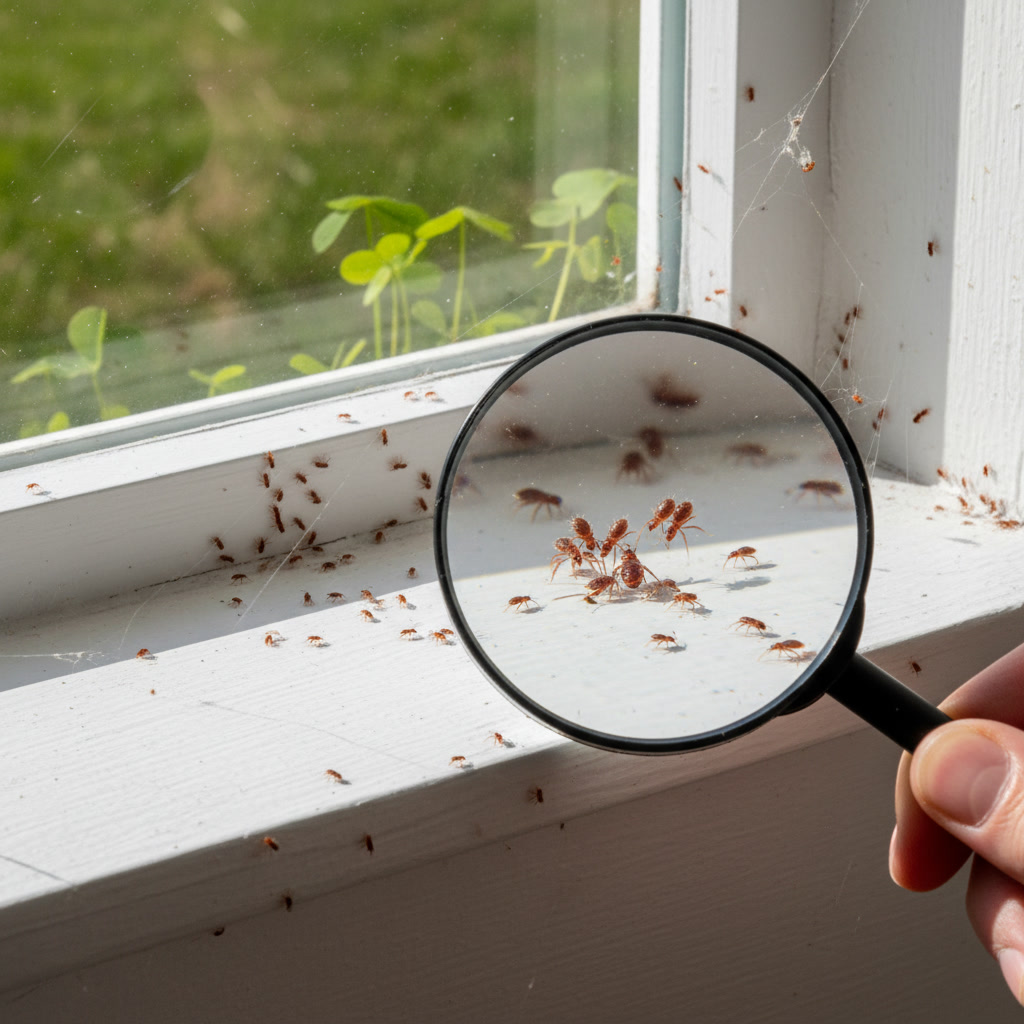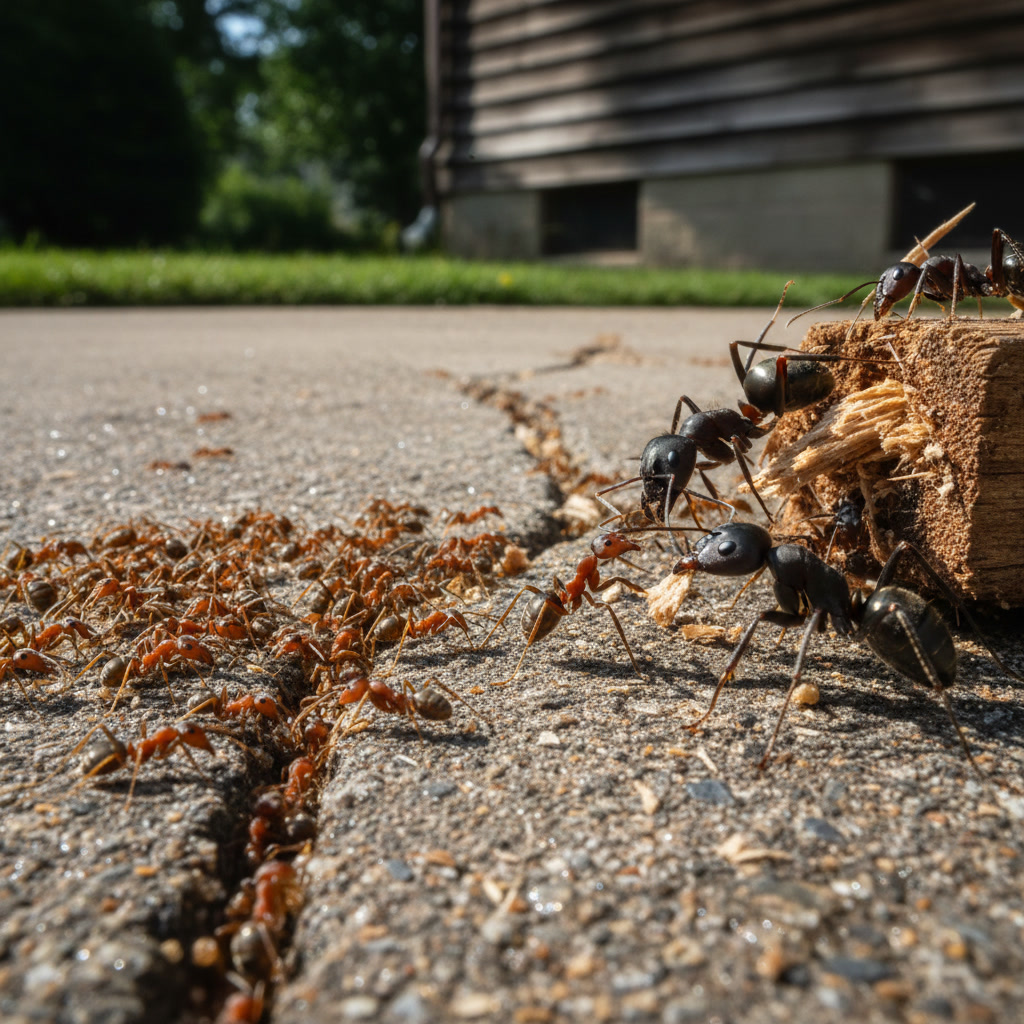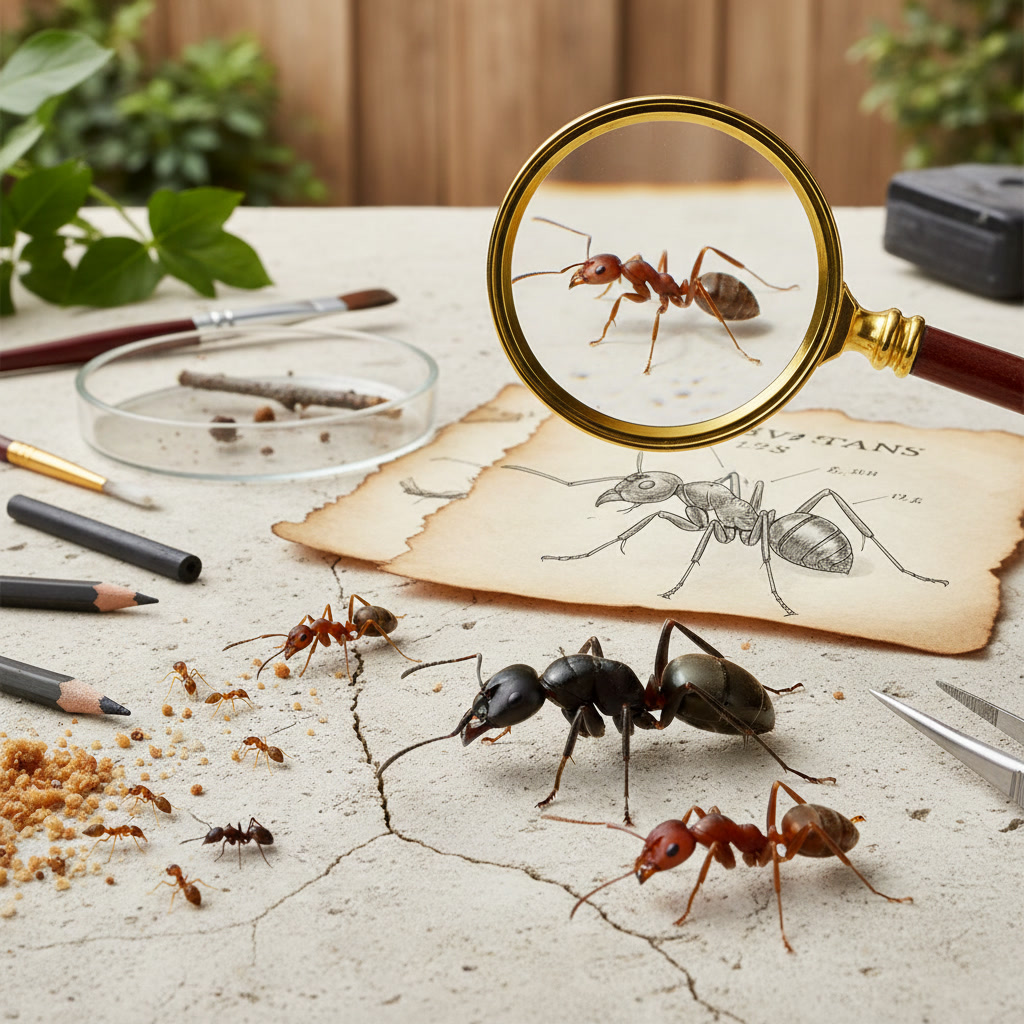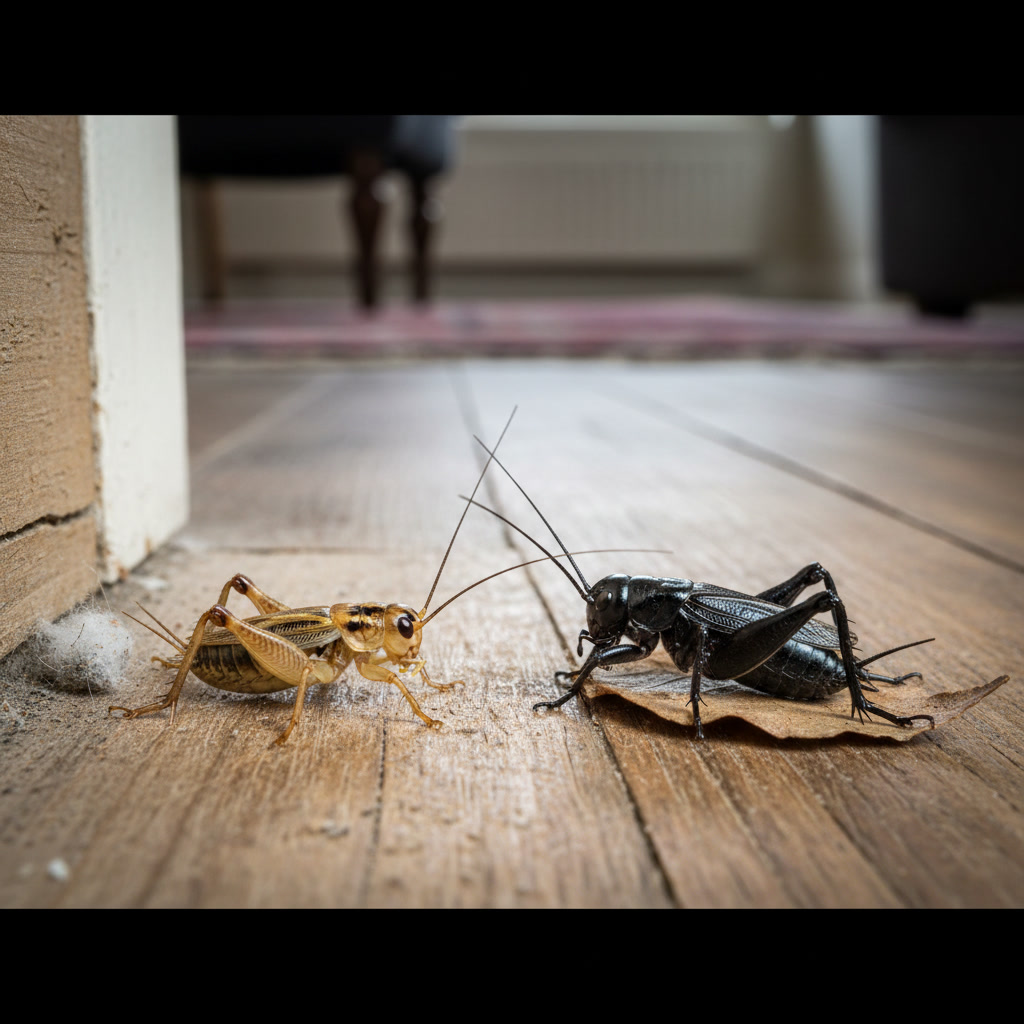
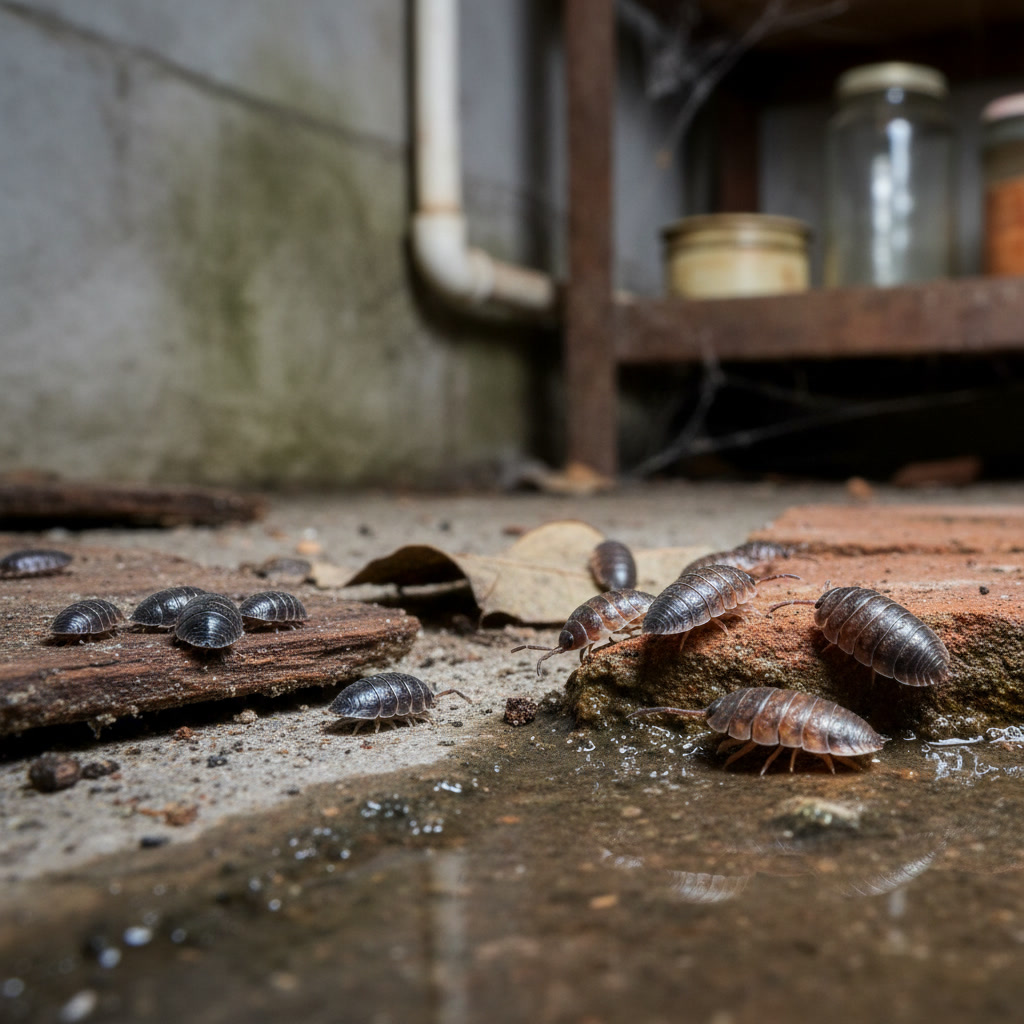
Pill bugs and sow bugs look nearly identical at first glance, but key physical differences help you tell them apart. Pill bugs roll into tight balls when threatened, while sow bugs cannot and have two tail-like projections at their rear. Both belong to the crustacean family rather than true insects, and both thrive in dark, damp environments like basements where moisture collects. Understanding the difference between pill bugs versus sow bugs helps you identify what you’re dealing with and take appropriate action.
Why These Arthropods Show Up Indoors
Both pill bugs and sow bugs live outdoors under rocks, mulch, leaf litter, and rotting wood. They feed primarily on decaying plant matter and help break down organic material in gardens and landscapes. Problems arise when outdoor conditions become too dry or when populations grow large enough that these creatures migrate indoors seeking moisture.
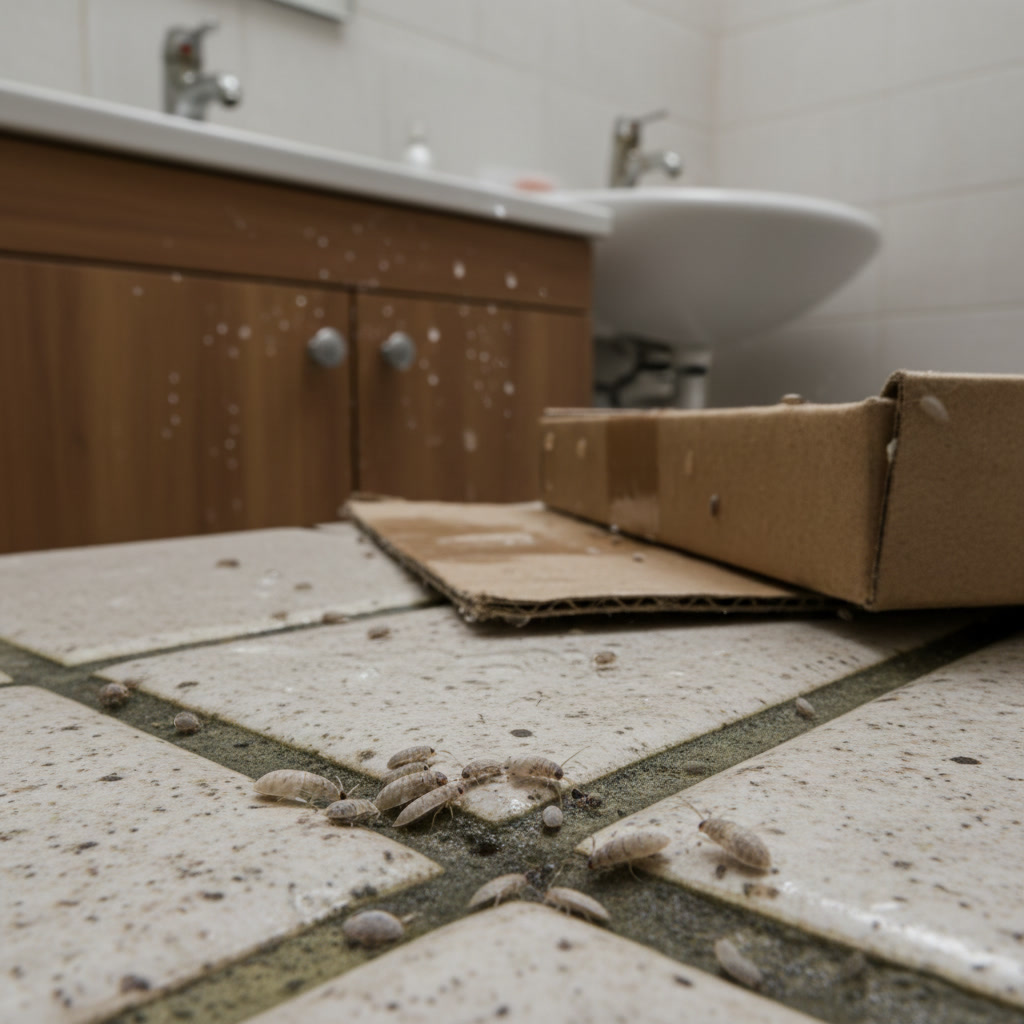
Basements provide the perfect habitat because they often have high humidity levels, concrete floors that hold moisture, and cracks or gaps that allow easy entry. Crawl spaces, utility rooms, and areas near water heaters or washing machines are especially attractive. If you see multiple individuals, your home likely has an underlying moisture problem that needs attention.
Physical Characteristics That Set Them Apart
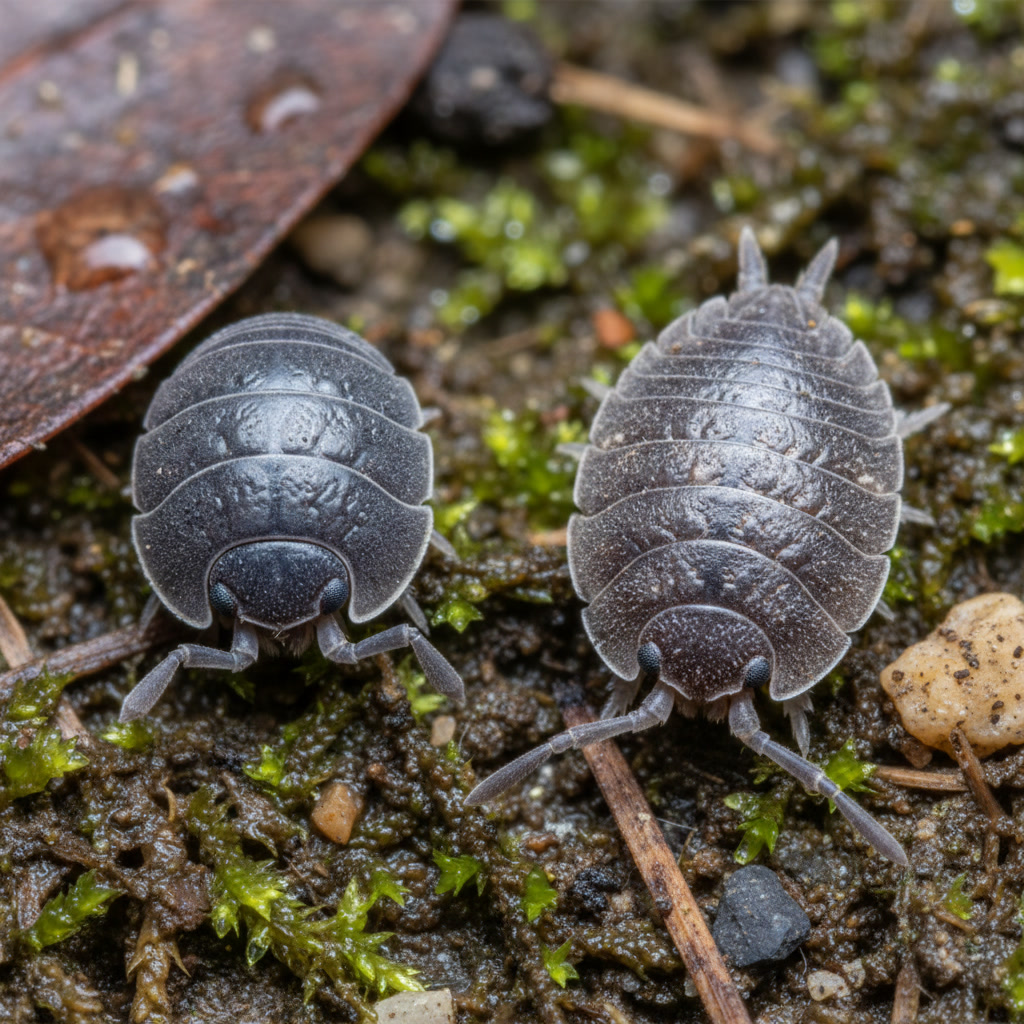
Both species measure roughly one-quarter to one-half inch long and have segmented, oval-shaped bodies with seven pairs of legs. Their dark gray or brown coloring helps them blend into soil and debris. The most reliable way to distinguish them is their defensive behavior and rear appendages.
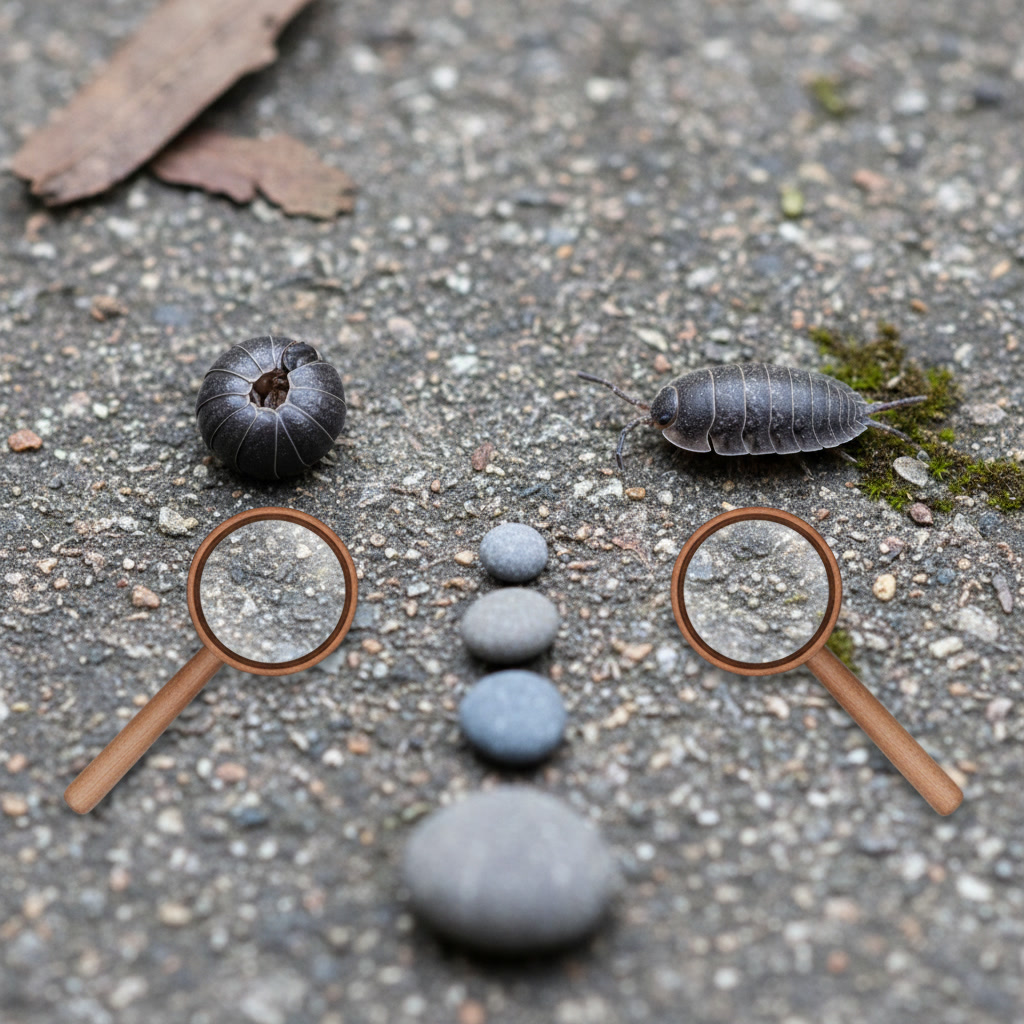
Pill bugs, sometimes called roly-polies, curl into a perfect sphere when disturbed. This defensive posture protects their softer underside from predators. Sow bugs lack the ability to roll up completely and instead have two small, tail-like appendages called uropods extending from their rear segment. These projections are clearly visible and make identification straightforward once you know what to look for.
The Science Behind Their Moisture Needs
Unlike insects that breathe through spiracles, pill bugs and sow bugs breathe through gill-like structures called pleopods located on their underside. These respiratory organs require constant moisture to function properly. When the environment becomes too dry, these arthropods dehydrate quickly and die within hours.
This biological requirement explains why you find them in basements, bathrooms, and laundry areas rather than dry living spaces. Any area with relative humidity above 60 percent and poor ventilation becomes a potential habitat. Leaking pipes, foundation cracks that allow groundwater seepage, or inadequate drainage around your home’s perimeter all contribute to indoor infestations.
Common Entry Points in Queens County Homes
Older homes throughout Queens County often have foundation settling that creates small gaps around basement windows, door thresholds, and where utility lines enter the building. These openings measure just a few millimeters but provide ample space for pill bugs and sow bugs to squeeze through.
Weather stripping deteriorates over time, leaving gaps under basement doors. Dryer vents, sump pump discharge lines, and exterior AC units all create potential pathways. Even expansion joints in concrete slabs can widen enough to admit these flattened arthropods. Inspect your basement perimeter carefully, especially after heavy rain when outdoor populations seek shelter.
Step-by-Step Identification Process
Start by examining the arthropod’s behavior. Gently touch it with a pencil or similar object. If it immediately rolls into a tight ball, you have a pill bug. If it scurries away without rolling, look for the two tail-like projections at the rear to confirm it’s a sow bug.
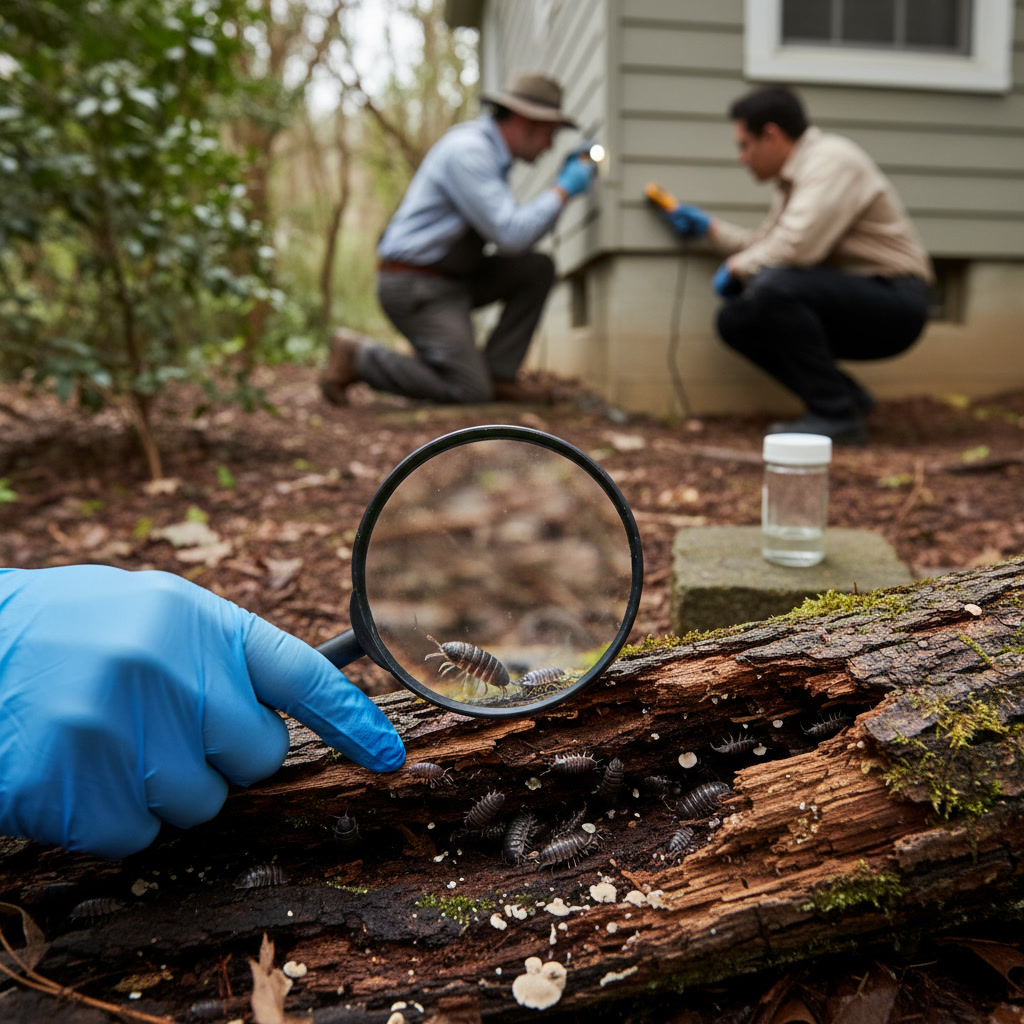
Next, check the color and texture. Both species appear dull gray to brownish-gray, but pill bugs sometimes have a slightly shinier exoskeleton. Count the body segments, which should number seven distinct plates across the back. Use a magnifying glass if needed to see the segmentation clearly.
Finally, note where you found them. Clusters near floor drains, beneath stored boxes touching concrete, or along basement walls indicate moisture accumulation. A single wandering individual usually means it entered accidentally, while groups of 10 or more suggest an established population.
Health and Property Concerns
Neither pill bugs nor sow bugs bite, sting, or transmit diseases to humans or pets. They do not damage structural wood the way termites or carpenter ants do. In most cases, they represent a nuisance rather than a serious threat. However, large populations indicate moisture problems that can lead to mold growth, wood rot, and conditions favorable to more damaging pests.
In rare cases, hungry pill bugs may nibble on seedlings in indoor plant containers or stored root vegetables in basement storage areas. The real concern is what their presence reveals about your home’s moisture levels. If you’re already dealing with dampness, you may want to read about signs of wood-damaging pests that thrive in similar conditions.
Immediate Control Measures You Can Take
Start by reducing moisture throughout your basement. Run a dehumidifier to keep relative humidity below 50 percent. Fix leaking pipes, improve ventilation, and redirect downspouts at least six feet from your foundation. Remove wet cardboard boxes, piles of damp laundry, and any organic debris where these arthropods hide and feed.
Seal entry points using silicone caulk for small cracks and expanding foam for larger gaps. Install or replace door sweeps on basement entries. Improve drainage around your home’s perimeter by grading soil away from the foundation and ensuring gutters function properly.
You can manually remove visible pill bugs and sow bugs using a vacuum cleaner. Empty the vacuum bag or canister immediately into an outdoor trash bin. Sticky traps placed along baseboards capture stragglers but do not address the underlying moisture issue drawing them inside.
When to Consider Professional Assessment
If you continue seeing these arthropods after addressing moisture and sealing entry points, a professional pest assessment can identify hidden moisture sources or structural issues you may have missed. Professionals use moisture meters to detect dampness inside walls, thermal imaging to spot cold spots indicating air leaks, and specialized knowledge of building construction to find subtle entry points.
Royal Exterminating Co brings decades of experience identifying and resolving arthropod issues in New York area homes. A thorough inspection often reveals problems like improper foundation waterproofing, inadequate crawl space ventilation, or plumbing leaks concealed behind finished walls. Addressing these root causes provides long-term control rather than temporary relief.
Prevention Strategies for Long-Term Control
Outdoor habitat modification keeps populations low and reduces migration pressure. Remove mulch, leaf litter, and wood piles from areas directly against your foundation. Create a six-inch barrier of gravel or stone around the perimeter where moisture-loving arthropods cannot thrive. Trim vegetation away from the building to improve air circulation and sunlight penetration.
Inside, maintain consistent dehumidification during humid months. Store boxes and belongings on shelves rather than directly on concrete floors. Inspect stored items regularly for signs of dampness or pest activity. Similar inspection habits help with other household pests, as covered in this guide on recognizing insect and arthropod infestations.
Schedule annual basement inspections to catch moisture problems early. Check foundation walls for efflorescence, which appears as white, chalky deposits indicating water migration through concrete. Test sump pumps before spring rains arrive. These proactive steps prevent conditions that attract pill bugs, sow bugs, and more destructive pests.
Protecting Your Home from Moisture-Related Pests
Understanding the differences between these two common basement visitors helps you respond appropriately. Both indicate moisture issues that require attention, regardless of whether they roll into balls or have visible tail projections. Controlling humidity, sealing entry points, and modifying outdoor habitats form the foundation of effective management.
While pill bugs and sow bugs themselves cause minimal damage, the damp conditions they require create opportunities for more serious problems. Addressing moisture issues now protects your home from mold, wood rot, and pests that truly threaten structural integrity.
Royal Exterminating Co provides comprehensive residential pest control services throughout New York County, Kings County, Nassau County, Suffolk County, Richmond County, and the Bronx. Our licensed technicians identify moisture sources, locate entry points, and develop customized solutions for your specific situation. If basement arthropods have become more than an occasional nuisance, reach out to our team at +16469962656 for a thorough property assessment and targeted treatment plan.