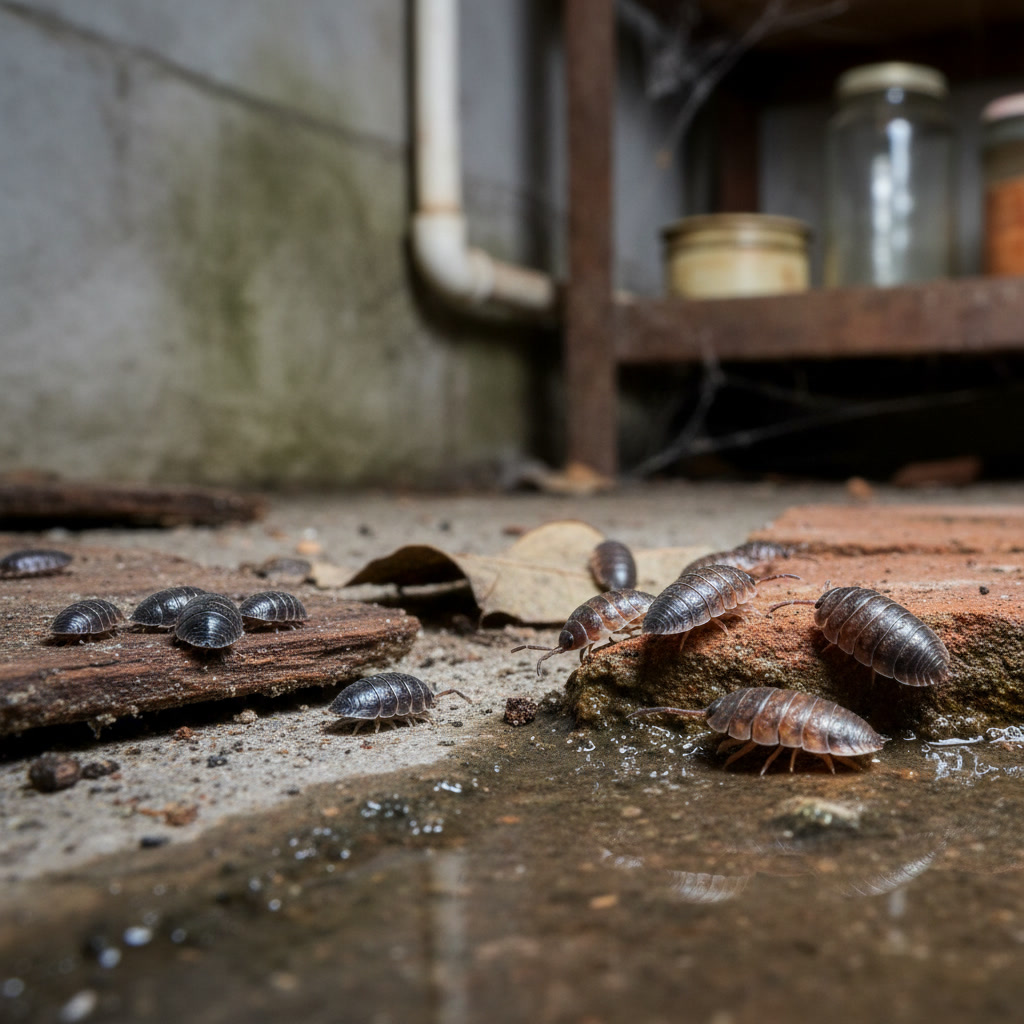
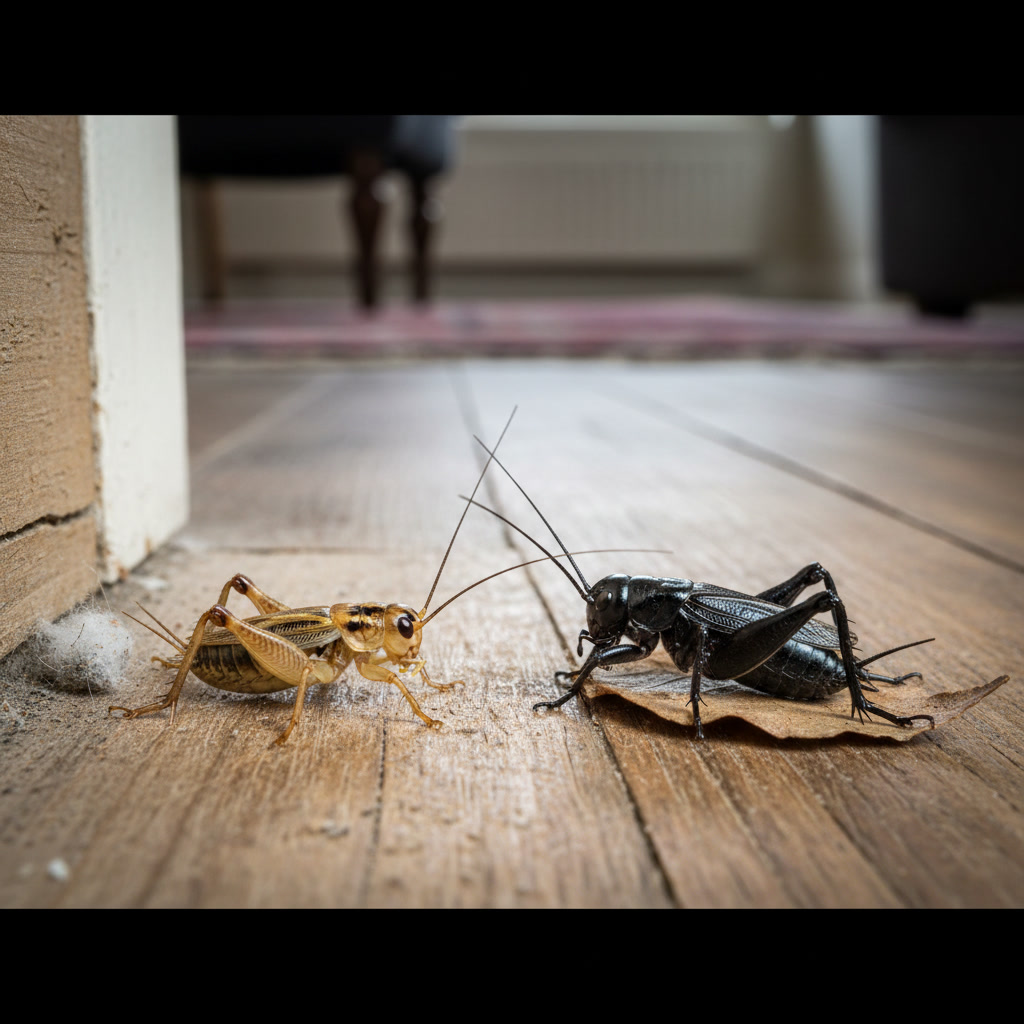
House crickets and field crickets look similar at first glance, but knowing the differences helps you understand which species has invaded your home and what conditions attracted them. To identify house crickets, look for a light yellowish-brown color with three dark bands on the head, a body length of about three-quarters of an inch, and long antennae that exceed body length. Field crickets are typically solid black or dark brown, slightly larger, and have a more robust body shape.
Both species can enter homes through small gaps, but they have different preferred habitats and behaviors. Understanding these distinctions helps property owners in New York determine the source of the infestation and the best approach for control.
Why Crickets Enter Your Home
Crickets wander indoors when outdoor conditions become unfavorable. During hot, dry summer periods or when temperatures drop in autumn, both house and field crickets search for moisture, shelter, and food sources. Homes provide all three, especially basements, crawl spaces, and areas near water sources.
Field crickets rarely survive long indoors because they need specific environmental conditions. House crickets, however, thrive in human dwellings and can establish breeding populations if conditions remain suitable. They reproduce quickly in warm indoor spaces, turning a few accidental visitors into a full infestation within weeks.
Physical Appearance of House Crickets
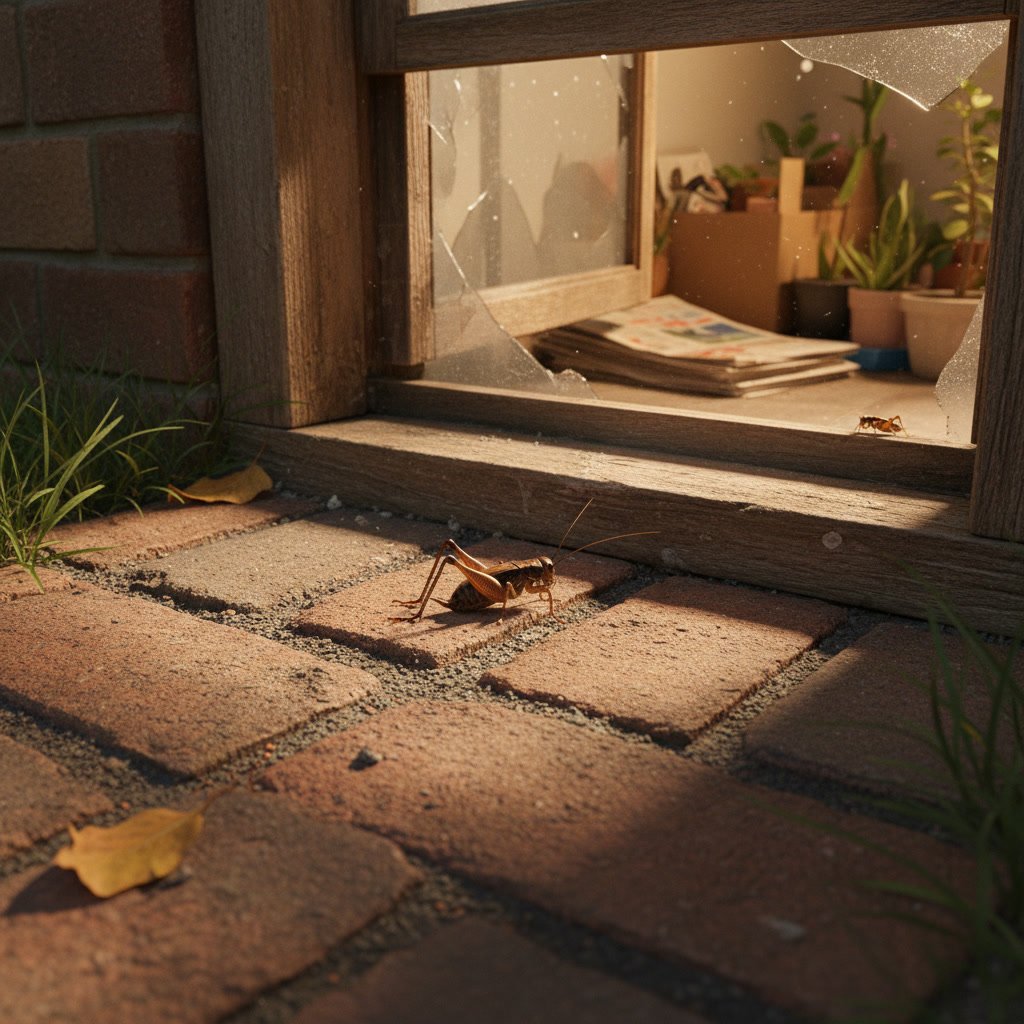
House crickets measure between three-quarters and seven-eighths of an inch long. Their coloring ranges from light yellowish-brown to tan, and their most distinctive marking consists of three dark transverse bands across the head. These bands are not always immediately visible but become clear under good lighting.
The wings of house crickets extend slightly beyond the abdomen, creating a narrow, streamlined profile. Their antennae are extremely long, often twice the body length, and their hind legs are noticeably enlarged for jumping. House crickets have a more delicate appearance compared to their field-dwelling relatives.
Physical Appearance of Field Crickets
Field crickets are typically solid black or very dark brown without the distinctive head banding seen in house crickets. They measure slightly larger, usually around one inch in length, and have a stockier, more robust build. The body appears rounder and more heavily armored.
Their wings lie flat against the body and may appear shiny. Field crickets have shorter, thicker legs relative to body size compared to house crickets. The overall impression is of a heavier, more powerful insect built for outdoor survival rather than indoor agility.
Behavioral Differences Between the Two Species
House crickets chirp continuously throughout the night during warm weather. The males produce this sound by rubbing their wings together to attract females. The chirping rate increases with temperature, and homeowners often notice the sound intensifies in heated areas of the home.
Field crickets also chirp but typically remain silent once indoors because the indoor environment does not trigger their mating behavior as strongly. When field crickets do vocalize indoors, the sound is lower-pitched and less frequent than house crickets. Field crickets are more active during twilight and early evening hours, while house crickets remain active throughout the night.
Habitat Preferences in Queens County Homes
House crickets prefer warm, moist areas with temperatures between 80 and 90 degrees Fahrenheit. Basements near furnaces, water heaters, and laundry rooms provide ideal conditions. They hide in cracks, behind appliances, and inside cardboard boxes during daylight hours.
In Queens County, house crickets often establish populations in older buildings with abundant hiding spots and consistent warmth. They feed on a wide variety of materials including fabrics, paper, and food debris. Field crickets entering homes typically stay near ground-level entry points and do not venture as deeply into living spaces. They prefer cooler areas and usually die within days if they cannot find an exit.

Damage Potential and Health Concerns
House crickets cause more property damage than field crickets because they live longer indoors and feed more aggressively. They chew holes in fabrics, especially wool, cotton, silk, and synthetic blends soiled with food or perspiration. Large populations can damage stored clothing, curtains, and upholstered furniture.
Both species leave dark fecal spots on surfaces where they congregate. House crickets also emit a distinctive musty odor when present in large numbers. While crickets do not bite humans or transmit diseases, their constant chirping disrupts sleep and their presence indicates entry points that other pests might exploit. Similar to other insects and arthropods, crickets require professional assessment when infestations grow beyond a few individuals.
Where to Look During an Inspection
Start your inspection in the basement, focusing on areas near floor drains, sump pumps, and utility pipes entering through foundation walls. Check behind water heaters, furnaces, and washing machines where warmth and occasional moisture create ideal conditions.
Examine storage areas containing cardboard boxes, old newspapers, and fabric items. House crickets often nest in these materials. Inspect window wells, door thresholds, and gaps around utility penetrations for entry points. Field crickets typically remain near these entry zones rather than migrating deeper into the structure.
In multi-level homes, check crawl spaces and areas where floor joists meet foundation walls. These spaces often harbor cricket populations that go unnoticed until numbers grow large enough for residents to hear constant chirping.
Prevention Strategies That Work
Seal cracks and gaps in the foundation, especially around utility penetrations, basement windows, and door frames. Apply weather stripping to exterior doors and replace damaged window screens. Reduce outdoor lighting near entry points, as bright lights attract crickets and other insects at night.
Control moisture by fixing leaky pipes, improving basement ventilation, and using dehumidifiers in damp areas. Remove piles of wood, leaves, stones, and debris from the foundation perimeter, as these materials provide outdoor harborage that encourages crickets to gather near your home.
Store potential food sources in sealed containers and vacuum regularly to remove crumbs and food debris. Keep stored fabrics clean and in sealed plastic bins rather than cardboard boxes. These steps reduce attractants that draw crickets indoors.

Professional Identification and Treatment Options
Accurate species identification determines the most effective treatment approach. House cricket infestations require comprehensive interior treatment because the population lives and breeds indoors. Field cricket problems typically need perimeter treatments and entry point sealing because the source remains outside.
Professional pest control uses targeted applications in harborage areas, crack-and-crevice treatments, and exclusion techniques. Treatment plans address the specific species present and the conditions that allowed the infestation to develop. For property owners dealing with any type of indoor pest, comprehensive pest assessments identify not just the current problem but also conditions that might lead to future issues.
Effective cricket control often reveals other pest vulnerabilities. Entry points that admit crickets also allow ants, spiders, and other insects to enter. Addressing these structural gaps provides long-term protection beyond the immediate cricket problem, similar to how thorough inspections help with identifying household insect and arthropod infestations before they become severe.
Getting Expert Help for Your Cricket Problem
Cricket infestations become more difficult to control as populations grow and establish multiple breeding sites. Early intervention stops reproduction cycles before damage accumulates and before the constant chirping becomes unbearable. Professional treatment eliminates existing populations and addresses the environmental factors that allowed crickets to thrive.
Licensed pest management professionals identify the species involved, locate harborage and entry points, and implement targeted treatment plans. They also provide guidance on structural repairs and habitat modifications that prevent re-infestation. This comprehensive approach delivers better long-term results than repeated applications of consumer products.
Royal Exterminating Co has served residential and commercial properties throughout the New York City area for years, addressing cricket infestations along with a complete range of pest challenges. Their technicians understand the specific conditions in local homes that create pest problems and the most effective solutions for lasting control. Whether you need help with crickets or require residential pest control for other issues, professional expertise makes the difference between temporary relief and permanent solutions.
If chirping crickets are disrupting your sleep or you have noticed signs of an indoor cricket population, contact Royal Exterminating Co at +16469962656 for a thorough inspection and customized treatment plan that addresses your specific situation.