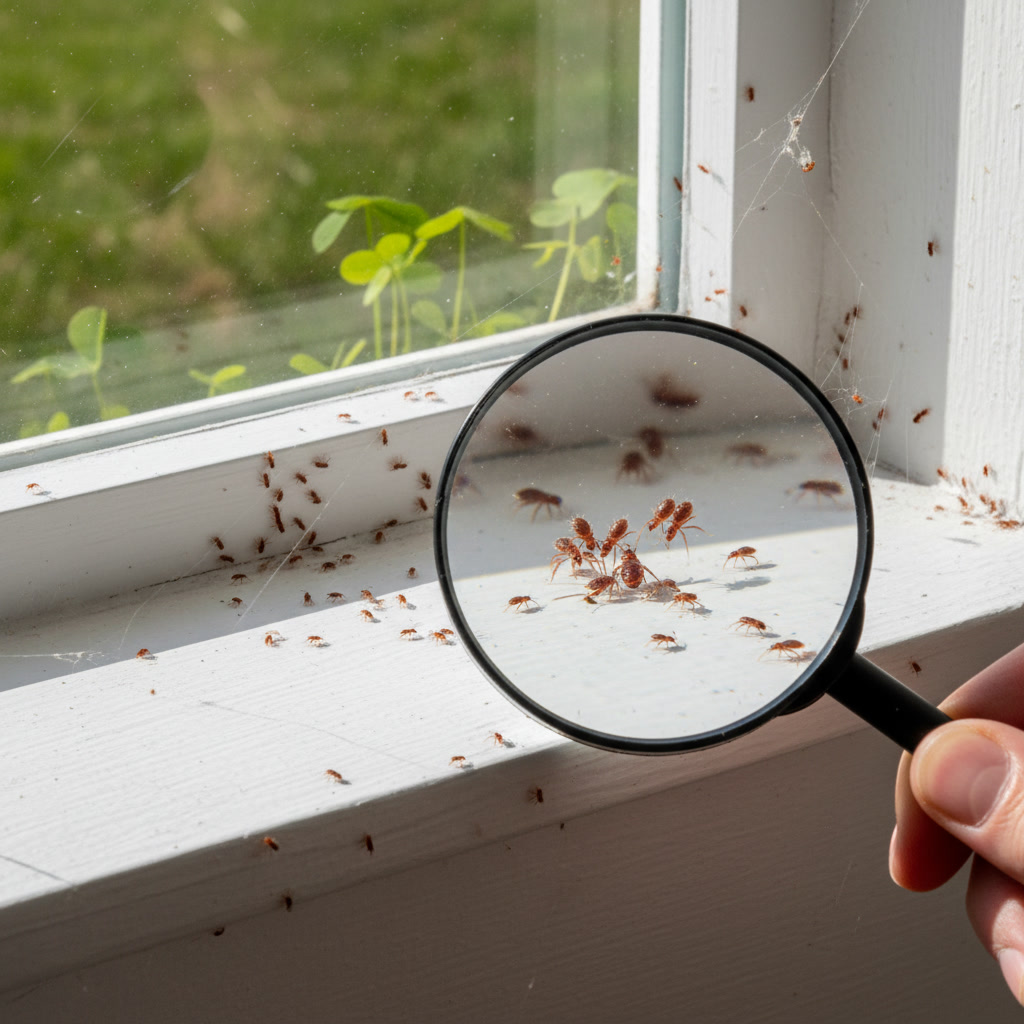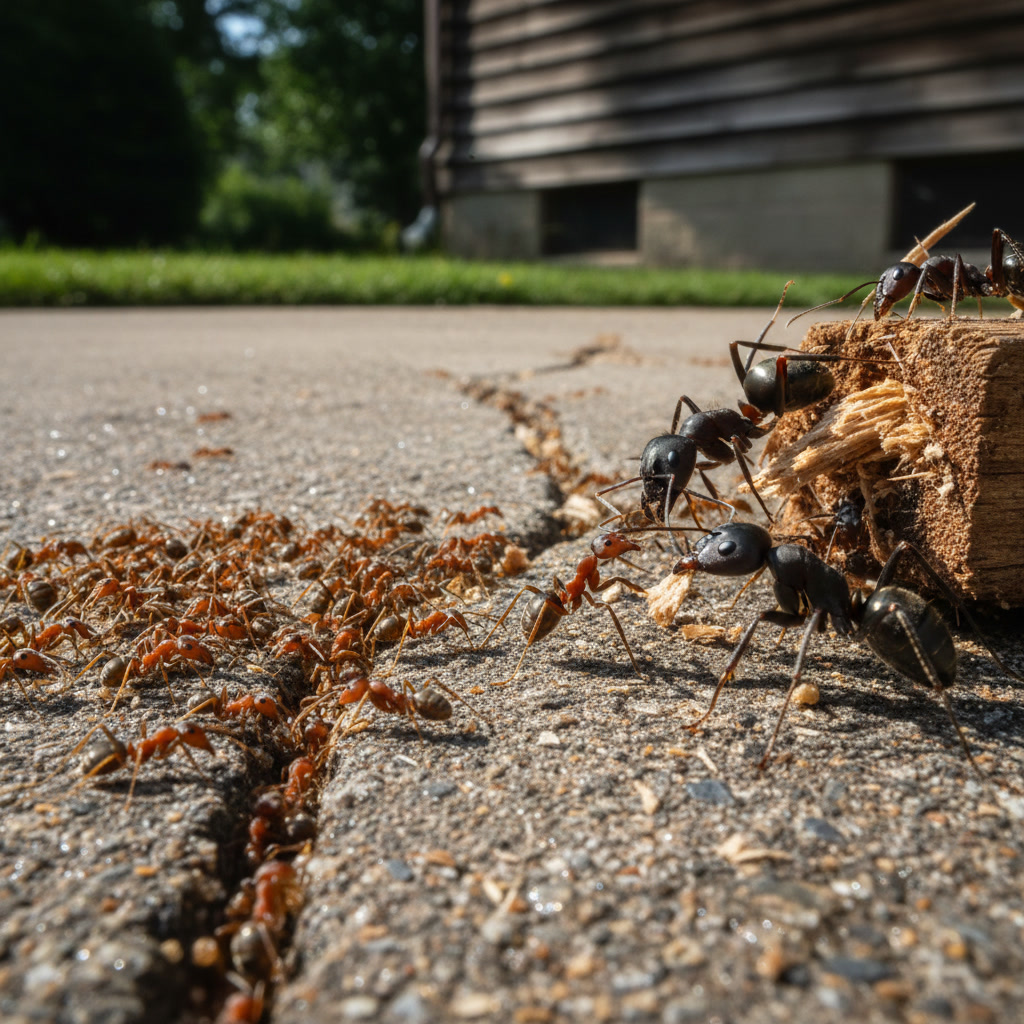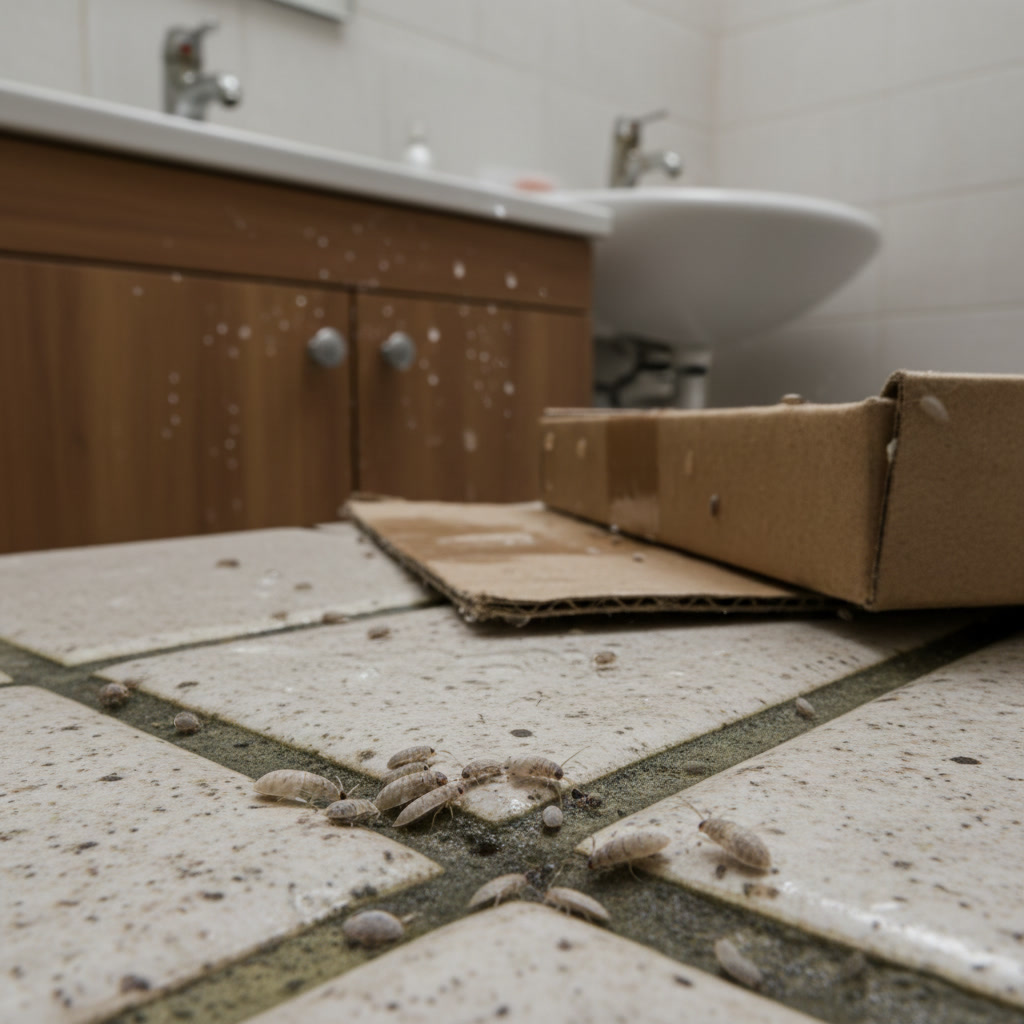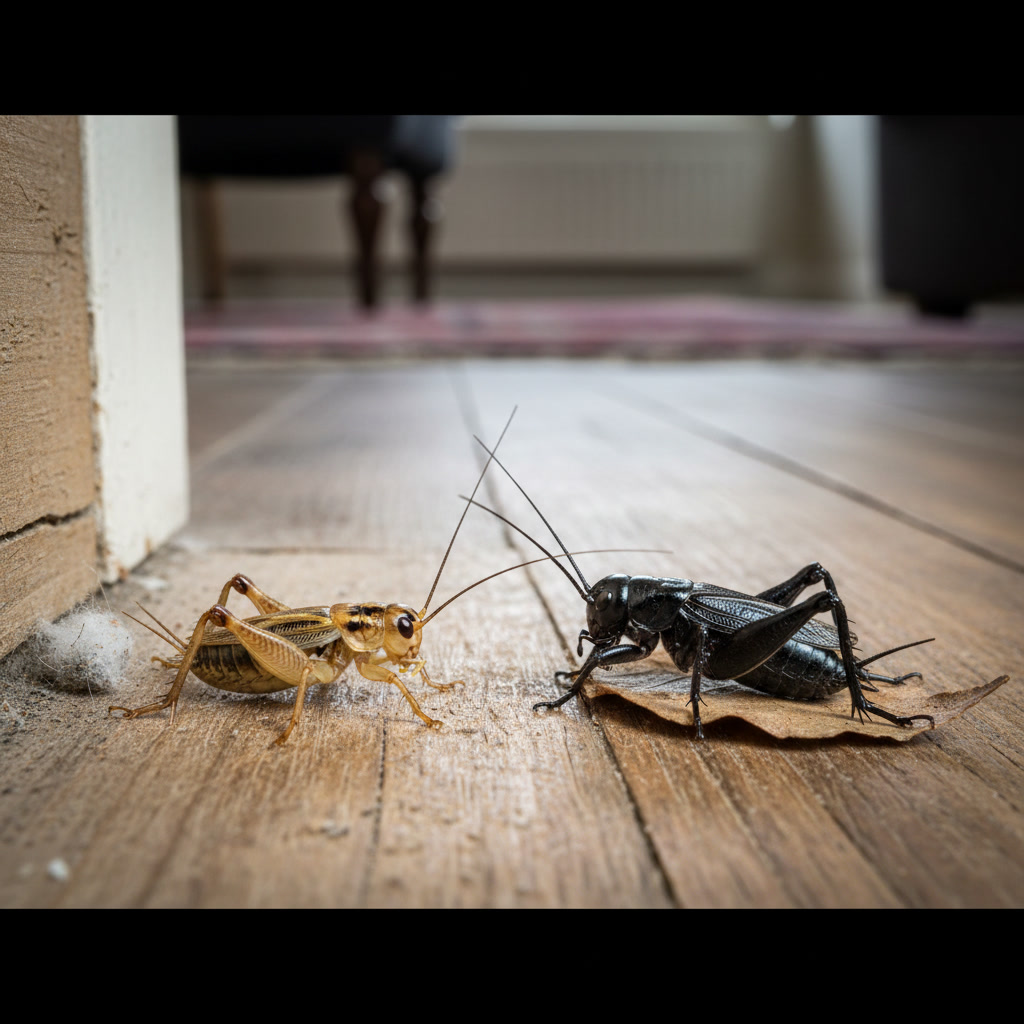
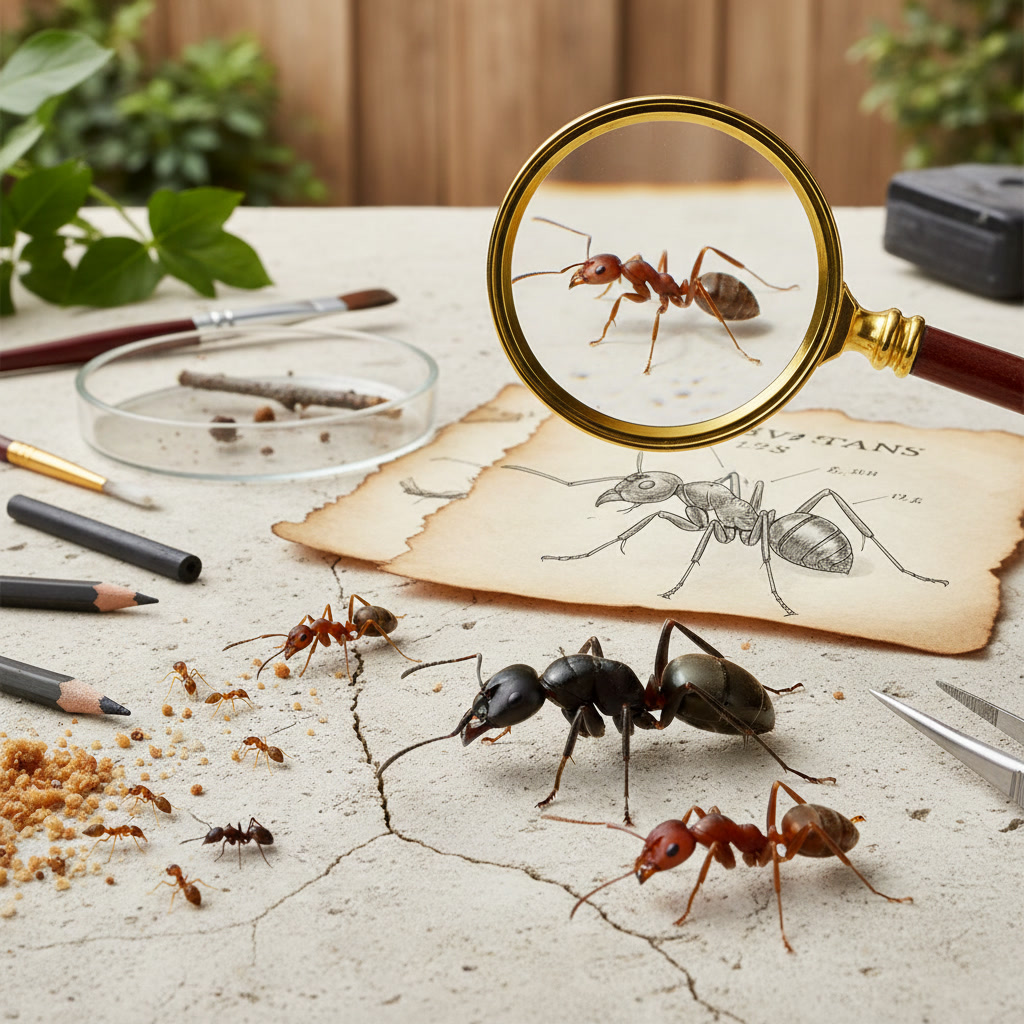
To identify common ants in your home, examine their size, color, and behavior. Most household ant species measure between 1/8 and 1/4 inch long. Carpenter ants are larger at 1/2 inch, while pavement ants are smaller. Color ranges from light yellow (pharaoh ants) to black (carpenter ants), with many species displaying red or brown tones. Observing where ants congregate and what time of day they’re most active provides additional clues about the species.
Why Ant Identification Matters Before Treatment
Different ant species require different control strategies. Using the wrong treatment approach wastes time and money while the infestation grows. Carpenter ants nest inside wood structures and cause damage similar to termites, requiring targeted nest elimination. Pharaoh ants split into multiple colonies when sprayed with conventional pesticides, making the problem worse. Pavement ants build nests under concrete slabs that need specific baiting techniques.
Professional pest management companies adjust their methods based on species identification. The baits that attract odorous house ants won’t appeal to acrobat ants. Understanding ant biology, nesting habits, and food preferences determines treatment success rates.
Physical Characteristics That Separate Ant Species
Size serves as your first identification clue. Measure ants against familiar objects or use a ruler. Carpenter ants range from 1/4 to 1/2 inch, making them the largest home-invading species. Pharaoh ants measure just 1/16 inch, barely visible without close inspection. Most other household ants fall between 1/8 and 1/4 inch.
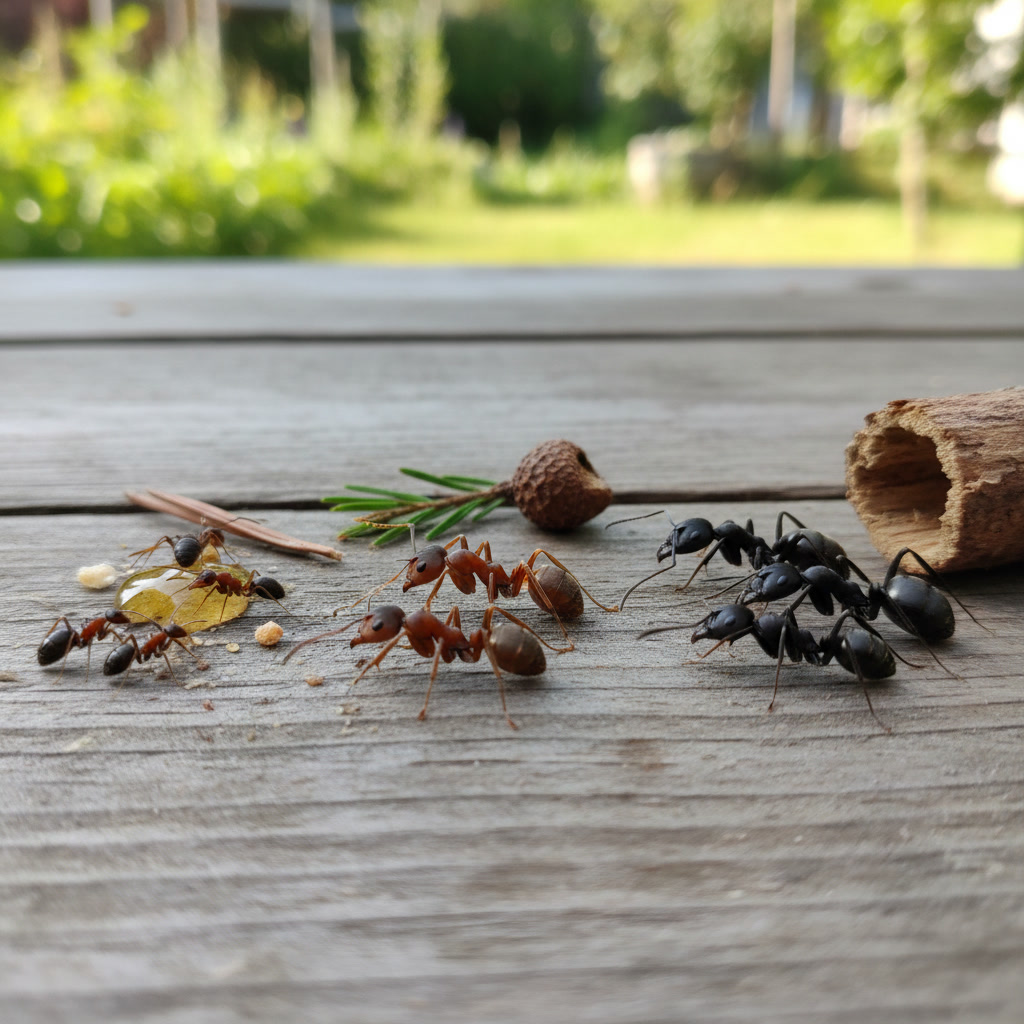
Color provides another distinguishing feature. Carpenter ants appear black or dark brown with a reddish thorax in some varieties. Odorous house ants show dark brown to black coloring. Pavement ants display brown to black bodies with lighter legs. Pharaoh ants are pale yellow to light brown. Acrobat ants have black and brown segments with a heart-shaped abdomen when viewed from above.
Body shape matters for accurate identification. All ants have three distinct body segments, but the petiole connecting the thorax to the abdomen varies. Some species have one node, others have two. Carpenter ants show a single, evenly rounded node. Pharaoh ants have two nodes that are hard to see without magnification.
Carpenter Ants and Wood Damage in Queens County Homes
Carpenter ants don’t eat wood but excavate it to create nesting galleries. You’ll find small piles of sawdust-like material called frass beneath infested areas. This debris contains wood shavings, dead ant parts, and other waste. Active colonies produce a rustling sound inside walls during quiet evening hours.
These ants prefer moist, decaying wood but will tunnel through sound lumber once established. Satellite colonies develop in dry areas after the main colony matures. Windows, door frames, roof eaves, and areas with past water damage attract carpenter ant activity. Queens County properties with mature trees nearby face higher risk because established outdoor colonies send foragers indoors.
Royal Exterminating Co finds carpenter ants most active from spring through fall, with peak activity in late spring when reproductive swarmers emerge. If you notice large winged ants inside your home, you likely have an established colony requiring immediate ant control services. The damage these ants cause over time resembles termite destruction, making early detection critical.
Odorous House Ants Following Scent Trails
Odorous house ants earned their name from the rotten coconut smell they release when crushed. These small brown to black ants measure about 1/8 inch and travel in distinctive trails along baseboards, countertops, and window sills. They move quickly in erratic patterns rather than straight lines.
These ants build nests outdoors under mulch, stones, and landscaping materials but readily move inside during rain or extreme heat. They prefer sweet foods but also consume proteins and grease. A single colony contains multiple queens and thousands of workers, allowing rapid population growth.
Odorous house ants adapt quickly to environmental changes. They relocate entire colonies within days if disturbed. Spraying visible workers provides no lasting control because the colony simply moves to a new location. Proper identification leads to baiting strategies that workers carry back to queens and larvae.
Pavement Ants Building Colonies Under Concrete
Pavement ants create distinctive small mounds of sand and soil in cracks between concrete slabs, along driveways, and at foundation edges. These brown to black ants measure about 1/8 inch with pale legs and antennae. Parallel lines groove their head and thorax, visible under magnification.
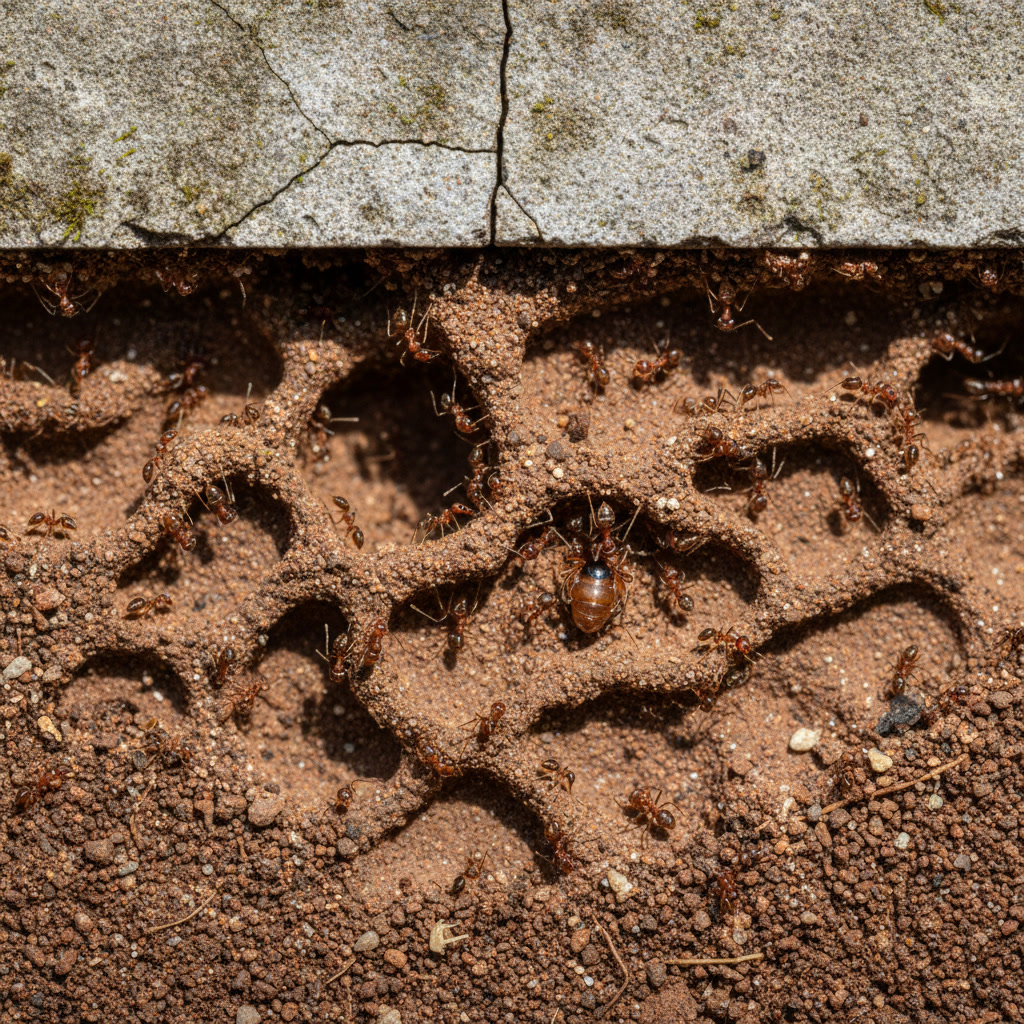
During late spring, pavement ant colonies wage territorial battles with neighboring colonies. You’ll observe hundreds of ants in swarming clusters on sidewalks and driveways, often mistaken for mating swarms. These conflicts last hours or days until one colony retreats.
Inside homes, pavement ants nest under floors, inside insulation, and within wall voids. They follow pipes and wires through structures. Kitchen invasions typically occur when outdoor food sources diminish. They eat almost anything but prefer greasy foods, sweets, and dead insects. Understanding their nesting preferences helps target treatments to colony locations rather than just killing foraging workers.
Pharaoh Ants Creating Multiple Colonies
Pharaoh ants present unique control challenges due to their budding behavior. When threatened, colonies split into multiple new colonies, each with its own queens. This survival mechanism means improper treatment multiplies the infestation rather than eliminating it.
These tiny pale yellow ants measure just 1/16 inch, making them difficult to spot. They prefer warm locations near heat sources, water pipes, and within wall voids. Hospitals, restaurants, and apartment buildings provide ideal environments. In homes, they nest inside walls, cabinets, and even between sheets of paper.
Pharaoh ants contaminate food and medical supplies because they’re attracted to unusual substances including blood, wound dressings, and intravenous solutions in healthcare settings. Residential infestations occur most often in multi-family buildings where colonies spread through shared walls. Similar to other household insect infestations, early detection prevents wider spread throughout connected units.
Acrobat Ants Raising Their Abdomens
Acrobat ants got their name from their habit of raising their abdomens above their heads when disturbed, resembling acrobats performing handstands. Their heart-shaped abdomens distinguish them from similar species. Color varies from light brown to black, with many displaying two-tone patterns.
These ants nest in moist or damaged wood, often moving into spaces previously excavated by carpenter ants or termites. They also build nests in foam insulation, which they shred to create galleries. Outdoors, they nest under rocks, in logs, and inside tree stumps.
Acrobat ants feed on honeydew from aphids and scale insects they tend on trees and shrubs. Indoor colonies search for sweets and proteins. When nests are disturbed, they emit a distinctive odor. Because they often inhabit voids created by other wood-damaging pests, their presence sometimes indicates additional structural concerns requiring professional inspection.
Argentine Ants Forming Massive Supercolonies
Argentine ants build some of the largest colonies in the ant world, with multiple queens and interconnected nests spanning entire neighborhoods. Individual ants measure about 1/8 inch with light to dark brown coloring. They lack the aggressive territorial behavior of most ant species, allowing different nests to merge into massive supercolonies.
These ants travel in wide trails containing hundreds of workers. They move in steady streams along consistent pathways between nests and food sources. Trees, shrubs, and vines touching your home create highways for Argentine ants to access upper floors and attics.
Argentine ants prefer sweet liquids but consume a varied diet. They displace native ant species through superior numbers and coordinated foraging. In New York, they’re less common than other species but established populations exist in certain areas. Their massive colony structure requires comprehensive treatment approaches that target multiple nest sites simultaneously.
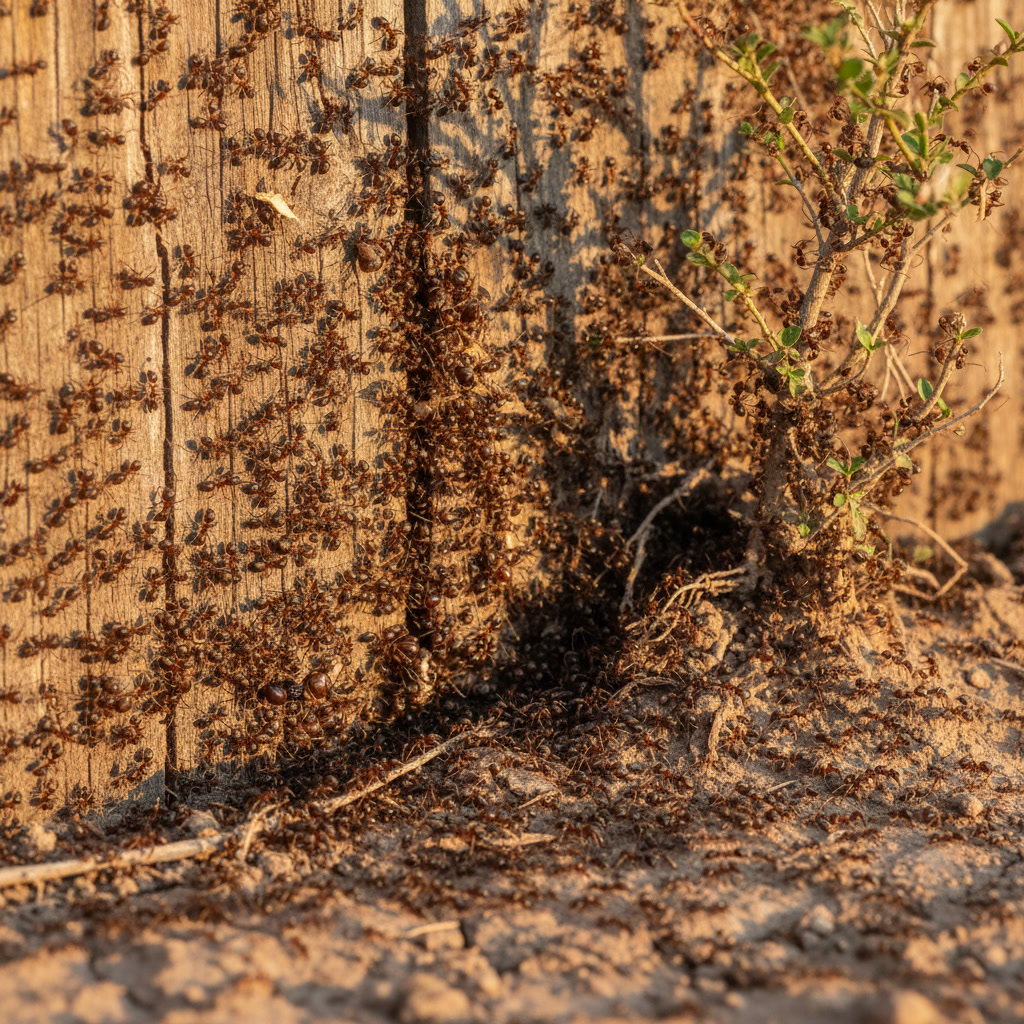
Thief Ants Stealing From Other Colonies
Thief ants earned their name by building nests near other ant species and stealing their food, larvae, and pupae. These tiny yellow to brown ants measure just 1/16 inch, similar to pharaoh ants. Their small size allows them to enter homes through microscopic cracks and access food in tightly sealed containers.
Unlike most ants that prefer sweets, thief ants strongly prefer proteins and grease. They’re attracted to cheese, meat, nuts, and dead insects. In kitchens, they congregate around pet food, grease spills, and garbage containers. Their minute size makes them difficult to track to nest locations.
Thief ants nest outdoors in soil, under objects, and inside rotten wood. Indoor nests develop in wall voids, cabinets, and behind baseboards. Professional treatment requires specialized baits formulated for protein-feeding species, since standard sweet baits prove ineffective.
When Ant Problems Require Professional Assessment
Some situations demand expert intervention beyond DIY methods. Recurring infestations that return after treatment indicate missed nest locations or incorrect product selection. Large carpenter ant colonies causing structural damage need professional-grade products and application equipment. Pharaoh ant infestations require coordinated baiting programs that avoid colony budding.
Multiple species infesting the same property complicate control efforts because each requires different treatment approaches. Professional pest assessments identify all species present and develop comprehensive treatment plans addressing each colony.
Properties with previous ant problems benefit from preventive treatments during early spring before colonies become active. Sealing entry points, eliminating moisture problems, and applying perimeter treatments create barriers against invasion. Annual inspections catch new colonies before they establish large populations.
Protecting Your Property From Ant Invasions
Accurate ant identification guides effective control strategies and prevents wasted effort on ineffective treatments. The species invading your kitchen determines which baits, treatments, and prevention methods will succeed. Carpenter ants require different approaches than odorous house ants or pharaoh ants.
Observing ant size, color, behavior, and nesting preferences provides the information needed for proper identification. When uncertainty exists or infestations persist despite treatment efforts, professional identification and targeted control delivers lasting results. Early intervention prevents small problems from becoming major infestations requiring extensive remediation.
Royal Exterminating Co provides expert ant identification and customized treatment plans for homes and businesses throughout the New York area. Our licensed technicians understand the biology and behavior of every ant species in the region. Whether you’re dealing with carpenter ants damaging your home’s structure or persistent kitchen invasions by multiple species, we develop solutions that eliminate colonies at their source. Call +16469962656 to schedule a comprehensive ant inspection and get your property back under control.