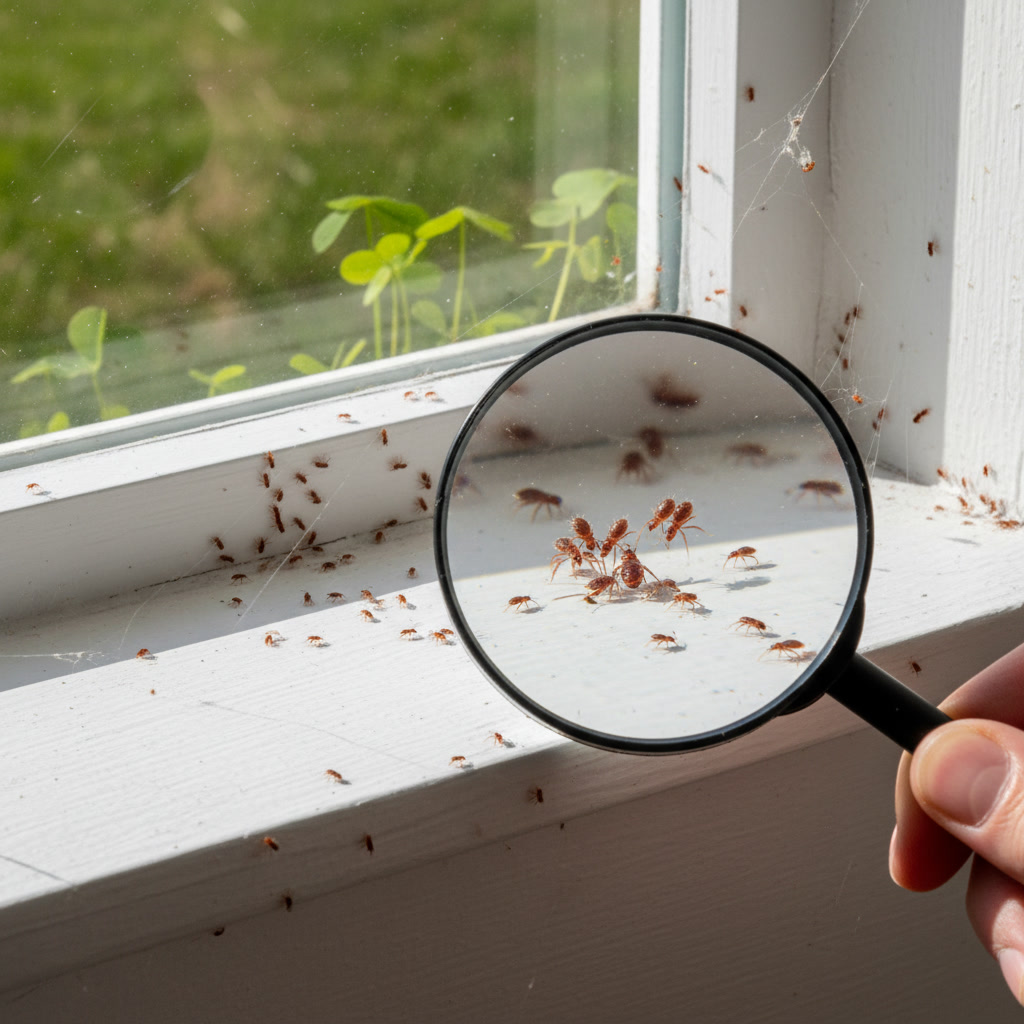
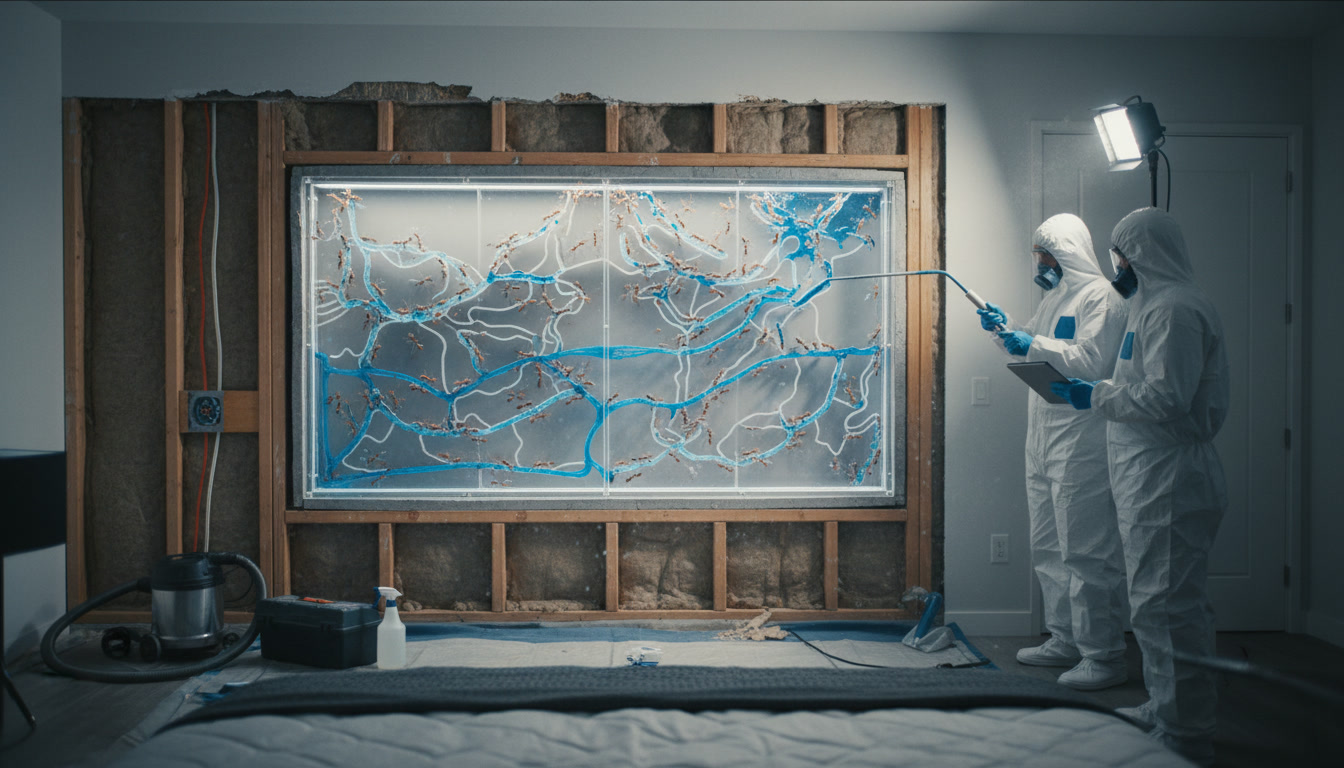
Professional ant colony elimination involves a systematic approach that targets both visible workers and the hidden queen. The ant colony treatment process typically spans two to four weeks and includes inspection, identification, targeted treatment, and monitoring phases. Each step builds on the last to ensure complete eradication rather than temporary relief.
Why Surface Treatments Fail to Eliminate Ant Colonies
Spraying visible ants might clear your countertops temporarily, but it rarely solves the underlying problem. Worker ants represent only 10 to 15 percent of the total colony population. The queen and her brood remain hidden inside wall voids, under foundation slabs, or deep in soil nests outside your property.
Colonies can split when threatened, a process called budding. When you kill surface workers with store-bought sprays, some species respond by creating satellite colonies. What started as one infestation becomes three or four separate nests, each with its own queen.
Understanding Colony Structure and Behavior Patterns
Professional exterminators study ant behavior because treatment strategies depend on species-specific habits. Carpenter ants excavate wood but don’t consume it, while pavement ants nest in cracks and beneath concrete. Odorous house ants form super colonies with multiple queens, requiring a different elimination approach than single-queen species.
Foraging patterns reveal nest locations. Most ants follow chemical trails between food sources and the colony. Technicians observe these trails during inspections to map the infestation and identify entry points. Similar to the systematic approach used in broader insect extermination protocols, ant treatments require careful observation before action.
The Initial Inspection and Species Identification
The first visit begins with a thorough property inspection. Technicians examine kitchens, bathrooms, basements, and exterior perimeters. They look for trailing patterns, nesting material, frass piles, and moisture damage that attracts certain species.
Accurate species identification determines the treatment method. A carpenter ant infestation demands immediate attention because these insects damage structural wood over time, much like the concerns addressed in wood damaging pest services. Pharaoh ants, meanwhile, require non-repellent baits because they split into multiple colonies when disturbed.
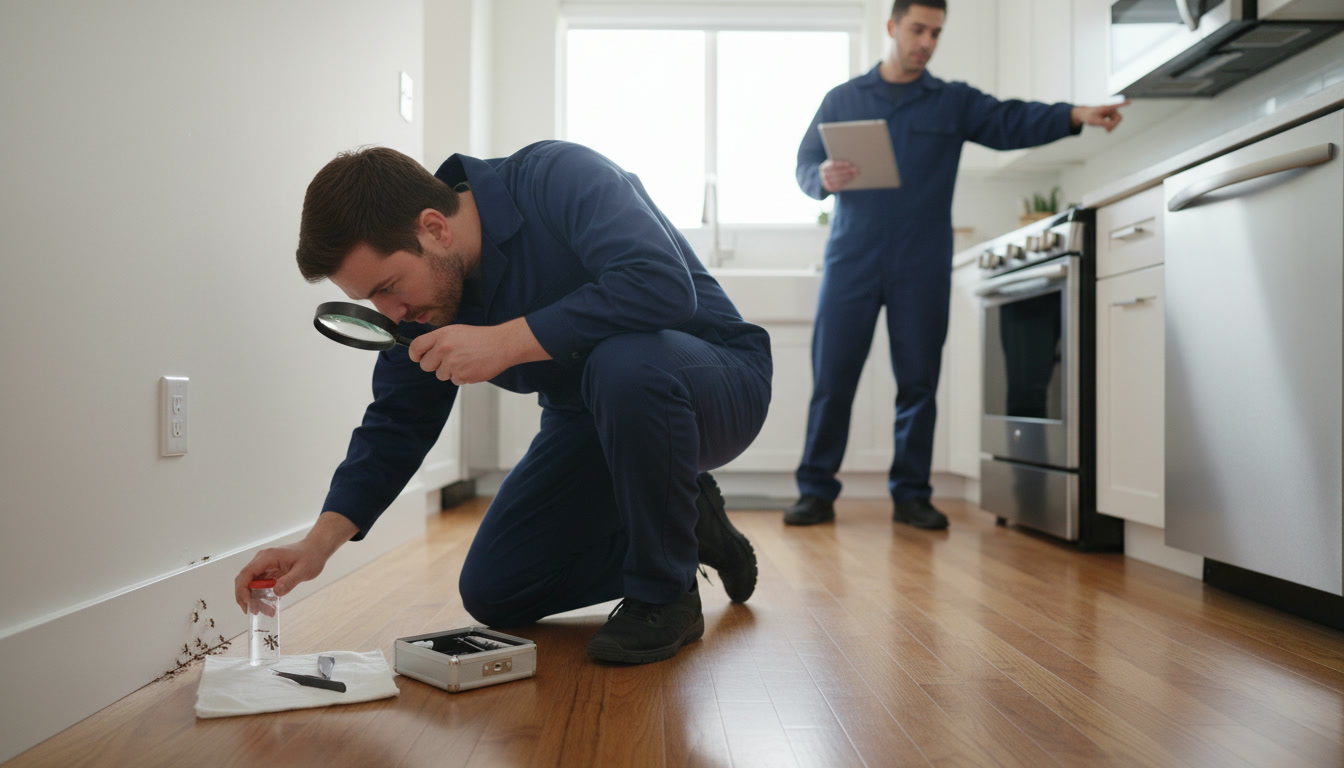
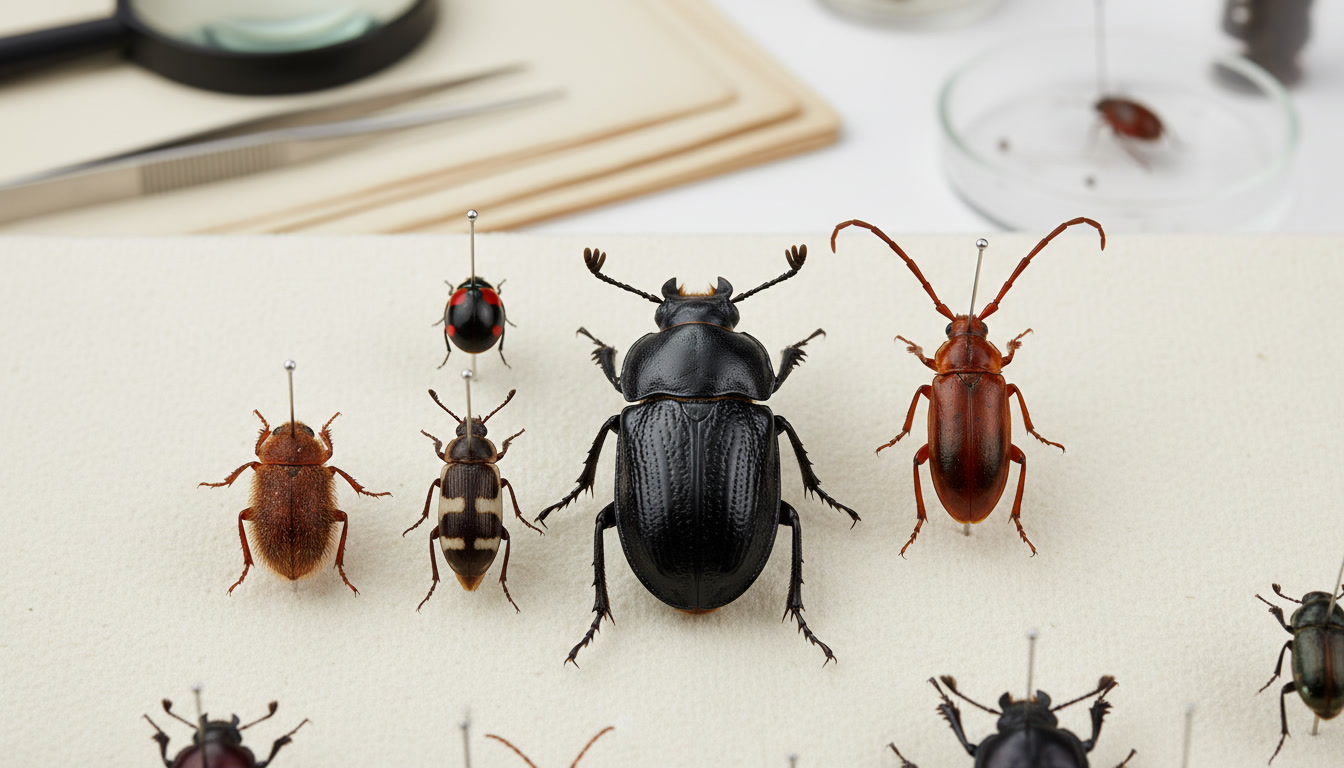
Technicians collect specimens for lab identification when field recognition proves difficult. They document conditions like plumbing leaks, gaps around pipes, and conducive moisture levels. This information shapes both the immediate treatment plan and long-term prevention strategies.
Mapping Nest Locations in Queens County Properties
Finding the main colony separates professional service from DIY attempts. Exterminators use multiple detection methods depending on property layout and ant species. Moisture meters identify water-damaged wood where carpenter ants nest. Thermal imaging cameras reveal wall voids with unusual heat signatures that suggest large colonies.
Outdoor inspections focus on landscape features. Mulch beds, tree stumps, firewood piles, and patio stones all provide nesting habitat. In urban environments, ants often nest under sidewalk slabs or in tree roots near building foundations.
Choosing Between Bait Systems and Direct Treatments
Treatment method depends on ant biology and nest accessibility. Bait systems work when the colony location remains unknown or inaccessible. Worker ants carry poisoned food back to the nest, sharing it with larvae and the queen through a process called trophallaxis. The entire colony dies over seven to 14 days.
Direct nest treatments apply liquid insecticides or dust formulations into wall voids, beneath slabs, or directly onto outdoor colonies. This method works faster but requires precise nest location. Technicians drill small access holes to inject material deep into wall cavities where ants cluster.
Non-repellent products allow ants to walk through treated areas without detecting danger. They carry the active ingredient back to the colony on their bodies. Repellent sprays, by contrast, create barriers that ants avoid but don’t eliminate the source population.
The Application Phase and Safety Protocols
Treatment day involves strategic product placement based on inspection findings. Technicians apply gel baits in cracks, crevices, and along trailing routes. Granular baits go around exterior foundations, under decks, and near entry points. Liquid treatments target specific nest sites when located.
Professional applicators follow strict safety guidelines. They use tamper-resistant bait stations in homes with children or pets. Products applied in food-handling areas meet specific EPA requirements. All treatments comply with New York State Department of Environmental Conservation regulations.
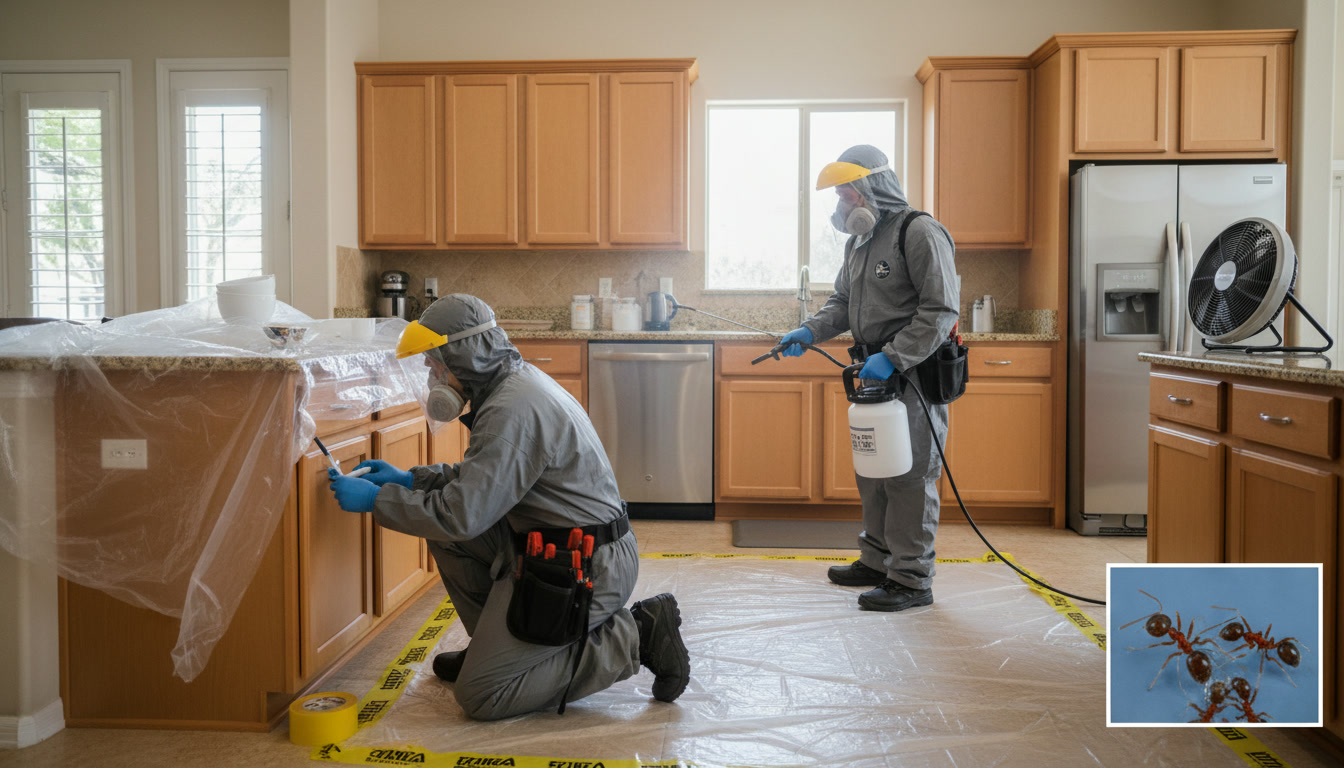
Residents typically don’t need to vacate during residential treatments, though technicians may request access to specific rooms. The process takes one to three hours depending on property size and infestation severity.
The Critical Monitoring Period
Ant activity often increases for three to five days after bait placement. This spike signals that workers are actively collecting and distributing the bait throughout the colony. Property owners sometimes panic during this phase, mistaking increased visibility for treatment failure.
Technicians schedule a follow-up inspection 10 to 14 days after initial treatment. They assess bait consumption, check for new trailing patterns, and verify that activity levels are declining. Adjustments happen based on observed results. If ants avoid certain bait formulations, technicians switch to different active ingredients or delivery systems.
Step-by-Step Timeline of Colony Elimination
Day 1 to 3: Workers discover and begin collecting bait. Trailing activity may intensify as more foragers recruit to the food source.
Day 4 to 7: Bait circulates through the colony. Larvae receive contaminated food. The queen’s egg production slows as she consumes tainted nutrients.
Day 8 to 14: Colony population declines noticeably. Fewer workers appear on trails. Brood development stops.
Day 15 to 21: Remaining workers die off. The queen expires from accumulated toxin exposure. Visible activity ceases in most cases.
Day 22 to 28: Follow-up inspection confirms elimination. Technicians look for any residual activity that might indicate a satellite colony or incomplete treatment.
Exclusion Work and Long-Term Prevention
Eliminating the current colony solves the immediate problem. Preventing future invasions requires structural modifications. Technicians seal entry points with caulk, foam, or copper mesh. They identify and recommend repairs for moisture issues that attract ants.
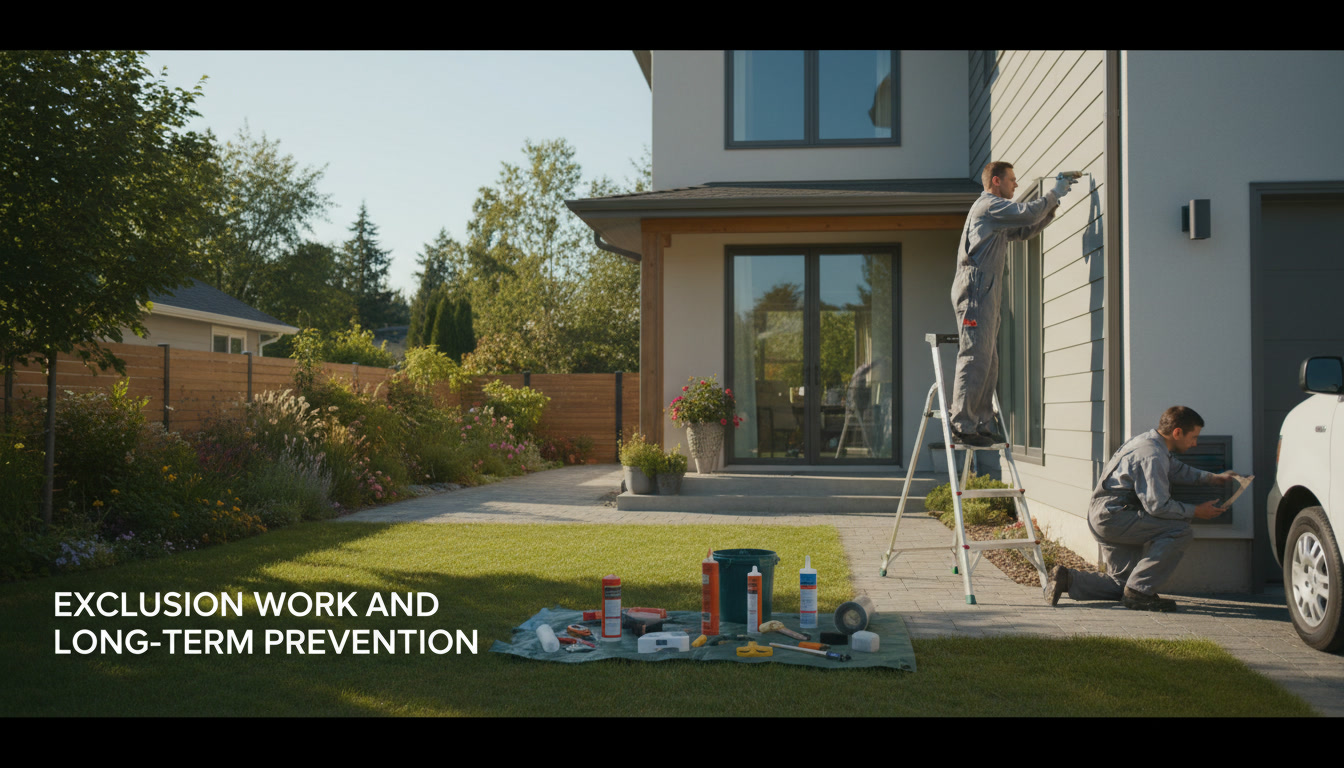
Common exclusion points include gaps around utility penetrations, cracks in foundation walls, damaged weather stripping, and spaces beneath door thresholds. Tree branches touching the building provide highways for outdoor colonies to access interior spaces. Trimming vegetation back 12 to 18 inches from the structure eliminates these bridges.
Landscape modifications reduce nesting habitat. Moving mulch away from foundations, removing old stumps, and fixing irrigation leaks all make properties less attractive to colonizing queens.
When Multiple Treatments Become Necessary
Some infestations require two or three treatment cycles. Large carpenter ant colonies with multiple satellite nests need staged elimination. Pharaoh ant super colonies demand patience because workers may reject initial bait formulations.
Properties with severe conducive conditions see recurring problems until underlying issues get addressed. A basement with chronic moisture problems will continue attracting ants regardless of how many times you treat. Professional pest assessments identify these systemic issues before they undermine treatment effectiveness.
Seasonal factors influence treatment timelines. Spring swarms indicate mature colonies preparing to reproduce. Fall invasions happen when outdoor food sources disappear and ants seek interior shelter. Each scenario requires adjusted strategies.
What Sets Professional Service Apart
Licensed exterminators access professional-grade products unavailable in retail stores. These formulations use advanced active ingredients at concentrations proven effective through field testing. More importantly, professionals understand product chemistry and ant biology well enough to match the right treatment to each specific situation.
Royal Exterminating Co combines technical knowledge with practical experience across diverse property types. Technicians recognize the difference between acrobat ants, which nest in damaged wood, and field ants, which build soil mounds. This expertise prevents misidentification that leads to ineffective treatment.
Documentation and follow-through separate professional service from one-time spray jobs. Detailed service records track treatment dates, products used, and results observed. This information proves invaluable when addressing stubborn infestations or providing warranty coverage.
Protecting Your Property With Proven Methods
Complete ant colony elimination requires patience, proper identification, and targeted treatment methods that address the entire colony structure. The process unfolds over weeks rather than days because effective products work through colony distribution rather than immediate contact kill. Understanding each phase helps property owners recognize progress even when they still see occasional workers during the critical middle period.
Royal Exterminating Co has refined the colony elimination process through decades of service across residential and commercial properties. If you’re dealing with persistent ant problems that DIY methods haven’t resolved, professional assessment identifies the species, locates hidden nests, and implements treatments designed for complete eradication. Contact our team at +16469962656 to schedule an inspection and receive a detailed treatment plan tailored to your specific infestation.