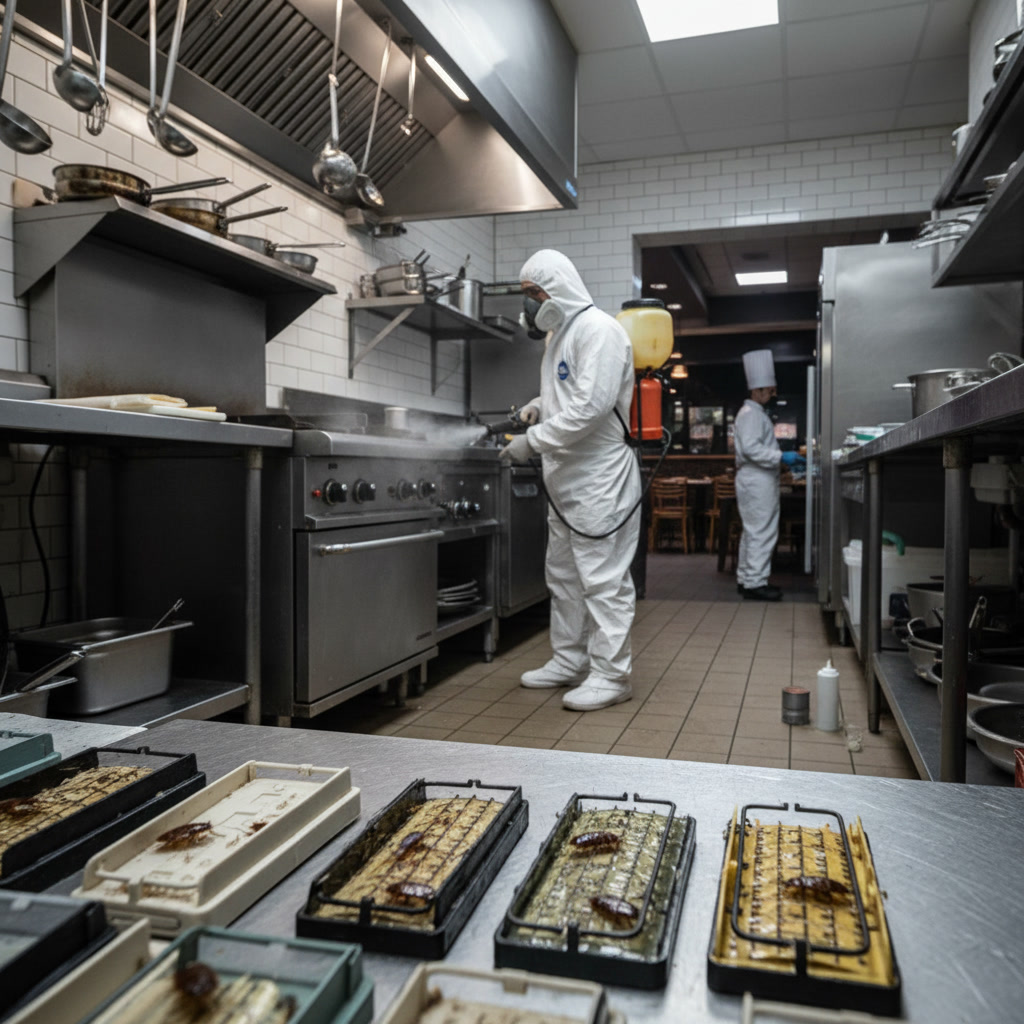
A single cockroach sighting in your restaurant can damage your reputation overnight and trigger a health inspection that shuts down operations. Valley Stream restaurant owners know that cockroach infestations are not just unsightly, they’re a direct threat to your business license, customer trust, and bottom line. The warm, humid conditions in commercial kitchens create the perfect environment for German cockroaches, American cockroaches, and Oriental cockroaches to thrive and multiply rapidly. Understanding proven cockroach extermination methods designed specifically for food service environments is critical to maintaining a pest-free establishment.
This guide covers the most effective professional techniques used in Valley Stream commercial kitchens, from Integrated Pest Management protocols to chemical and non-chemical treatments that meet strict food safety standards. You’ll learn what separates temporary fixes from long-term solutions and how to choose methods that work for your specific restaurant layout and operations.
Why Restaurants Face Unique Cockroach Challenges
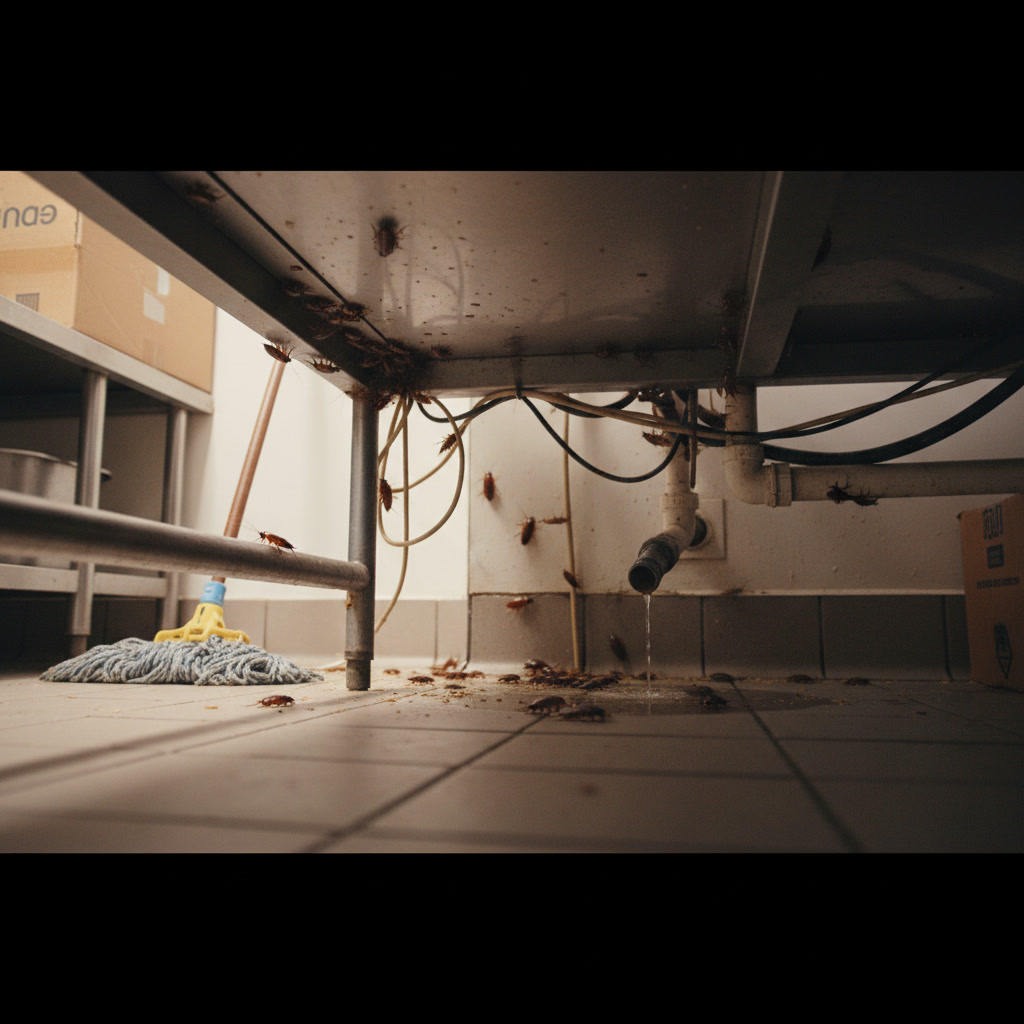
Commercial kitchens offer cockroaches everything they need to establish large colonies quickly. Constant food sources, moisture from dishwashing and prep areas, numerous hiding spots in equipment and storage zones, and warm temperatures create ideal breeding conditions. A single female German cockroach can produce up to 400 offspring in one year.
Restaurant environments also complicate treatment options. You cannot simply spray pesticides near food preparation surfaces or use methods that might contaminate ingredients. Health code compliance requires pest control strategies that eliminate cockroaches without compromising food safety, meaning standard residential approaches often fail in commercial settings.
The consequences of visible cockroaches extend beyond health violations. Online reviews mentioning pests can devastate your business, and word spreads quickly in communities like Valley Stream where local reputation matters. One customer photo of a cockroach can undo years of goodwill and hard work.
Integrated Pest Management for Restaurant Environments
The most effective cockroach extermination methods for restaurants start with Integrated Pest Management (IPM), a comprehensive approach that combines multiple tactics for lasting control. IPM prioritizes prevention, monitoring, and targeted treatments over blanket chemical applications that may not address root causes.
A proper IPM program begins with a detailed inspection to identify cockroach species, locate harborage areas, pinpoint entry points, and assess conducive conditions. Different cockroach species require different approaches. German cockroaches typically infest kitchen equipment and prefer warm areas, while American cockroaches often enter through drains and prefer cooler basement storage zones.
Sanitation improvements form the foundation of any successful IPM program. This includes eliminating food residue on equipment, sealing dry goods in pest-proof containers, fixing leaks and moisture problems, removing cardboard boxes that provide harborage, and maintaining clean floor drains. Without addressing these attractants, even the best chemical treatments provide only temporary relief.
Monitoring and Documentation
Professional cockroach control relies on systematic monitoring using sticky traps placed in strategic locations. These traps reveal activity patterns, help identify high-traffic routes, measure population levels, and document progress over time. For restaurants, this documentation also proves compliance during health inspections.
Monitoring data guides treatment decisions. If traps near the dishwashing station consistently catch German cockroaches while other areas show no activity, technicians concentrate efforts where they’ll have maximum impact rather than treating the entire facility unnecessarily.
Exclusion and Physical Controls
Sealing entry points prevents new cockroaches from entering while treatments eliminate existing populations. Key exclusion work includes caulking gaps around pipes and utilities, installing door sweeps on exterior doors, screening floor drains, sealing cracks in walls and baseboards, and repairing damaged weather stripping.
Physical modifications might involve replacing damaged equipment seals, repositioning equipment to eliminate hiding spots, upgrading to pest-proof storage systems, and improving ventilation to reduce humidity levels that attract cockroaches.
Professional Chemical Treatment Options
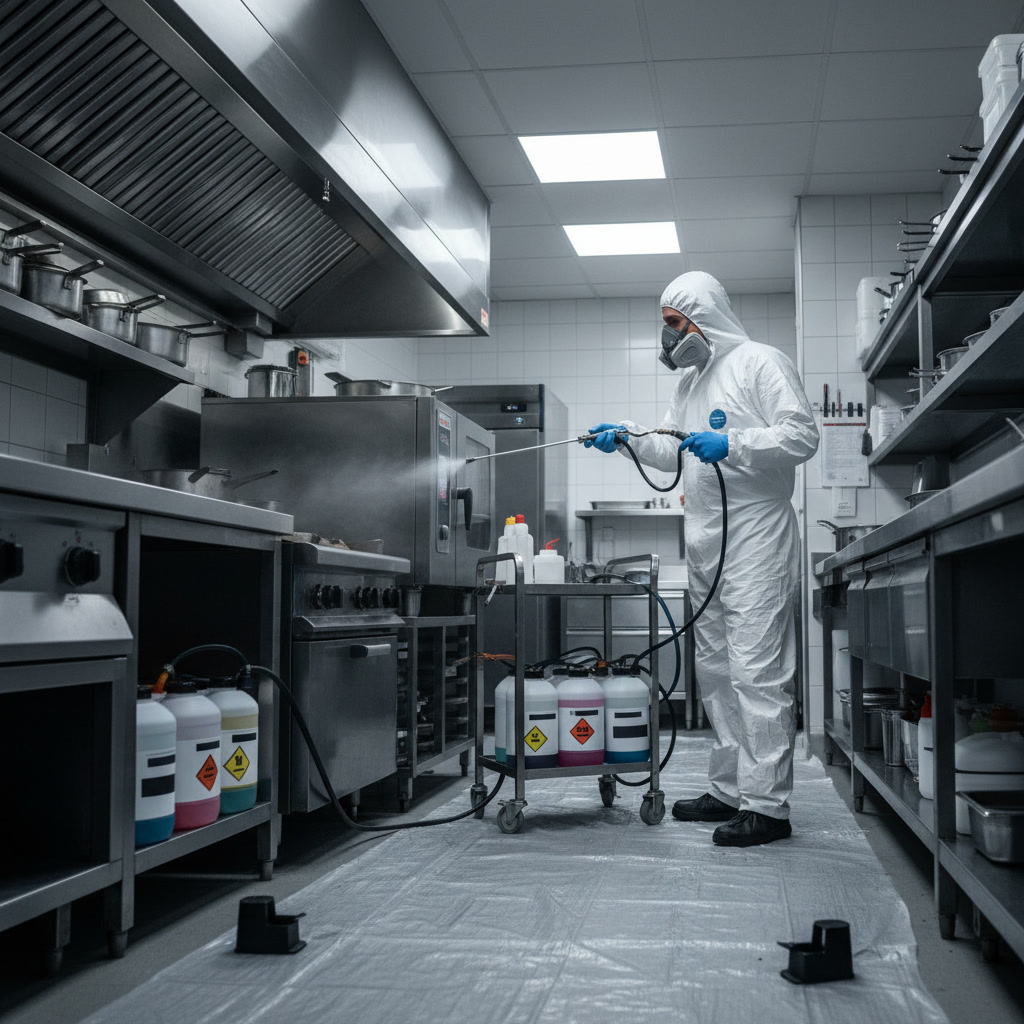
When cockroach populations require chemical intervention, restaurants need methods that work effectively without contaminating food or violating health codes. Modern cockroach extermination methods offer several targeted approaches that meet these requirements.
Gel baits represent the gold standard for restaurant cockroach control. Technicians place small dots of bait in cracks, crevices, and harborage areas where cockroaches travel but food handlers don’t. Cockroaches consume the bait and carry it back to their harborage areas, where it kills other colony members through contact and consumption of contaminated feces.
Gel baits work exceptionally well for German cockroaches, the most common restaurant pest. They provide targeted control without requiring evacuation, spraying food prep surfaces, or creating odors. Professional-grade baits remain effective for months, continuing to kill cockroaches as long as the bait remains palatable and cockroaches encounter it.
Insect Growth Regulators
Insect Growth Regulators (IGRs) disrupt cockroach reproduction without killing adult insects immediately. These products mimic juvenile hormones, preventing nymphs from maturing into reproducing adults. When used alongside baits or other lethal treatments, IGRs reduce population growth rates and accelerate elimination.
IGRs offer particular value in restaurants because they have low toxicity to humans, can be applied in sensitive areas, remain effective for extended periods, and break the reproductive cycle that allows rapid population rebounds. They work best as part of a comprehensive program rather than as standalone treatments.
Residual Insecticides in Non-Food Zones
Licensed pest management professionals can apply residual insecticides in non-food areas like basements, storage rooms, utility chases, and exterior perimeters. These treatments create barriers that kill cockroaches on contact and provide lasting protection in zones where food contamination isn’t a concern.
Modern formulations use microencapsulated or non-repellent active ingredients that cockroaches cannot detect and avoid. This ensures insects contact treated surfaces and receive lethal doses before retreating to harborage areas where they die and affect other colony members.
Non-Chemical Cockroach Control Methods
Some restaurant operators prefer minimizing chemical use or need alternatives for organic establishments. Several effective non-chemical cockroach extermination methods provide viable options when implemented correctly.
Vacuuming removes cockroaches, egg cases, and fecal matter that attracts more pests. Commercial-grade HEPA vacuums capture insects and allergens without releasing them back into the air. Regular vacuuming of equipment bases, under shelving, and in storage areas reduces populations and removes pheromone trails that guide other cockroaches to harborage sites.
Heat treatments eliminate cockroaches by raising temperatures in infested equipment or areas to lethal levels, typically 140 degrees Fahrenheit or higher for several hours. Specialized heating equipment treats everything from single pieces of equipment to entire rooms. Heat penetrates cracks and voids where cockroaches hide, killing all life stages including eggs that resist other treatments.
Diatomaceous Earth Applications
Food-grade diatomaceous earth kills cockroaches through physical action rather than chemical toxicity. The microscopic particles damage cockroach exoskeletons, causing dehydration and death. Technicians apply dust formulations in wall voids, equipment voids, and other dry areas where cockroaches harbor.
Diatomaceous earth provides long-lasting control as long as it remains dry and undisturbed. It works slowly compared to chemical treatments but offers a non-toxic option for sensitive areas. Professional application ensures proper placement in effective locations without creating visible dust or contamination risks.
Treatment Frequency and Timing Considerations
Effective cockroach control requires consistent service visits, especially during the initial elimination phase. Most Valley Stream restaurants need weekly or bi-weekly visits for the first month when addressing active infestations, then monthly maintenance once populations are eliminated.
Treatment timing matters in food service environments. Many restaurants schedule pest control during closed hours to avoid disrupting operations and minimize any perceived impact on customers. Early morning visits before prep work begins or late evening visits after closing allow thorough inspections and treatments without interference.
Seasonal factors influence cockroach activity in the Valley Stream area. Warmer months from May through October typically see increased activity as outdoor populations grow and seek indoor harborage. Fall migrations bring American cockroaches indoors as outdoor conditions cool. Your pest management program should intensify efforts during these high-risk periods.
Choosing Between DIY and Professional Services
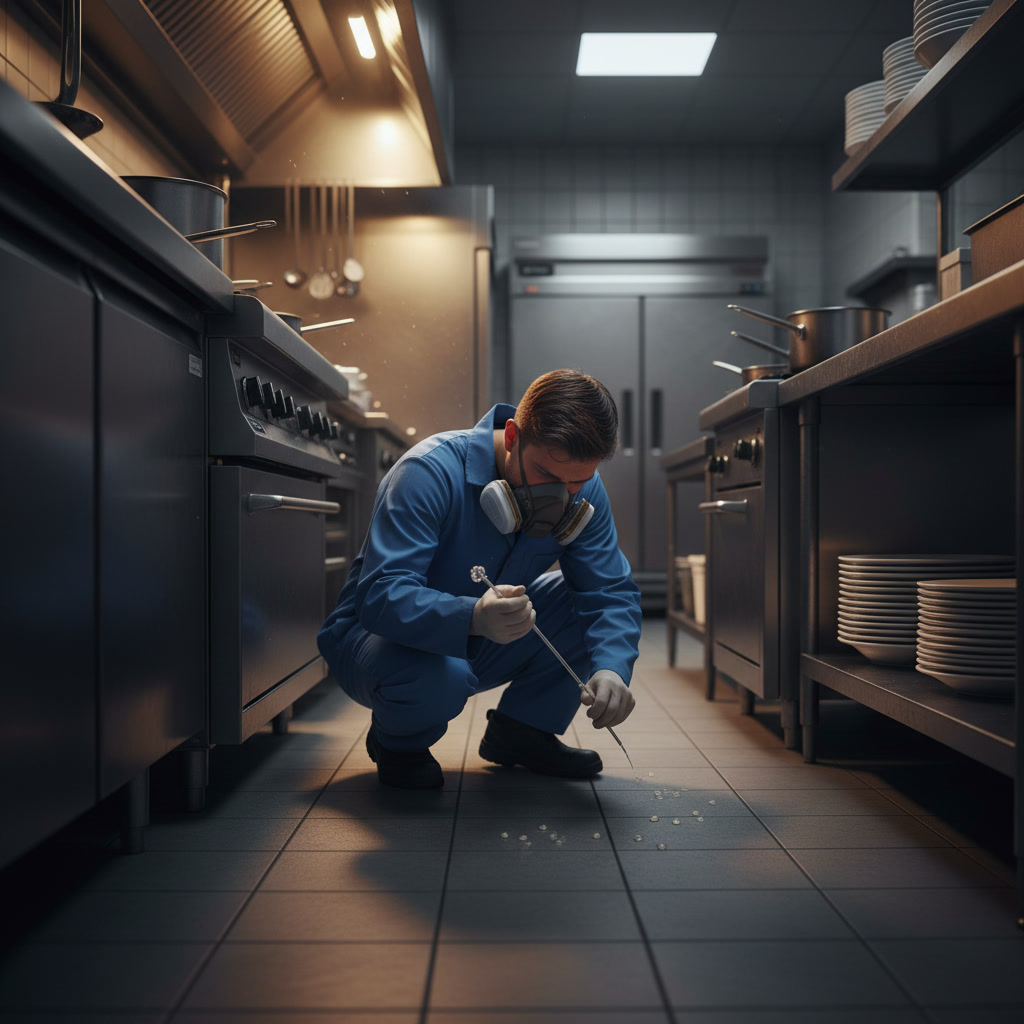
Restaurant owners sometimes consider handling cockroach problems internally to save money. While basic sanitation and exclusion work should be part of daily operations, effective cockroach extermination methods require professional expertise, licensed products, and specialized equipment that DIY approaches cannot match.
Professional pest management companies bring critical advantages including access to professional-grade products unavailable to consumers, training in proper application techniques for food service environments, knowledge of health code requirements and documentation, liability insurance protecting your business, and systematic approaches that address root causes rather than symptoms.
Licensed technicians understand how different cockroach species behave, where they hide in commercial kitchens, which products work best in specific situations, and how to apply treatments safely around food. They also provide documentation that health inspectors expect to see, demonstrating your proactive pest management efforts.
The cost of professional service typically represents a fraction of potential losses from health violations, temporary closures, or reputation damage. A single failed health inspection or negative viral review costs far more than monthly pest control service.
Maintaining Long-Term Cockroach Control
Eliminating an active infestation is only the first step. Preventing re-infestation requires ongoing vigilance, consistent sanitation protocols, regular professional service, and staff training to recognize early warning signs.
Daily cleaning procedures should include removing all food debris from equipment and floors, cleaning grease from surfaces where it accumulates, taking garbage out in sealed containers, cleaning floor drains with degreasing agents, and storing food in sealed containers overnight. These habits remove attractants that draw cockroaches back into treated areas.
Staff training helps everyone recognize cockroach signs like fecal droppings, egg cases, and live insects. When employees understand the importance of reporting sightings immediately and maintaining sanitation standards, problems get addressed before they escalate into major infestations.
Documentation for Health Inspections
Maintain detailed records of all pest control activities including service dates and findings, treatments applied and locations, monitoring trap results, corrective actions taken, and staff training conducted. This documentation demonstrates due diligence during health inspections and provides evidence of your commitment to food safety.
Professional pest management companies provide service reports after each visit. Keep these records organized and readily available. Health inspectors view documented pest control programs favorably and may show leniency for isolated pest sightings when comprehensive prevention efforts are clearly documented.
Specific Challenges in Valley Stream Restaurants
Valley Stream’s dense commercial corridors and proximity to residential areas create unique pest pressure. Restaurants share walls with neighboring businesses, allowing cockroaches to migrate between units. Older buildings common in the area often have more cracks, gaps, and void spaces that provide harborage.
The local climate with humid summers creates conditions cockroaches love. Moisture control becomes especially important during warm months when humidity promotes activity. Air conditioning systems and dehumidifiers help, but regular maintenance to prevent leaks and condensation is essential.
Delivery schedules and suppliers matter more than many restaurant owners realize. Cockroaches often enter commercial kitchens in delivery boxes, especially those containing produce or dry goods from facilities with poor pest control. Inspect all deliveries before bringing items into storage areas, and immediately break down and remove cardboard packaging that provides harborage.
Frequently Asked Questions
How long does it take to eliminate cockroaches from a restaurant?
Most active restaurant infestations require four to six weeks of intensive treatment to eliminate established cockroach populations. The timeline depends on infestation severity, cockroach species, sanitation conditions, and treatment methods used. German cockroaches typically take longer to eliminate than American cockroaches due to their prolific reproduction rates and preference for hiding in equipment voids.
Can restaurants operate normally during cockroach treatments?
Modern cockroach extermination methods allow restaurants to maintain normal operations during most treatments. Gel baits, monitoring devices, and targeted applications in non-food zones require no evacuation or downtime. Heat treatments of specific equipment may require temporary removal from service, but treatments can be scheduled during off hours to minimize disruption.
What cockroach species are most common in Valley Stream restaurants?
German cockroaches cause the majority of restaurant infestations in Valley Stream and throughout the New York area. These small, tan cockroaches reproduce rapidly and prefer warm kitchen environments. American cockroaches, the larger reddish-brown species, are also common, especially in buildings with basement storage or aging plumbing systems.
How much does professional cockroach control cost for restaurants?
Professional cockroach control for Valley Stream restaurants typically costs between $200 and $600 monthly depending on facility size, infestation severity, and service frequency. Initial intensive treatments may cost more than ongoing maintenance. This investment protects against much larger costs associated with health violations, closures, and reputation damage.
What should I do if customers see cockroaches in the dining area?
Address the situation immediately and professionally. Remove the affected area from service, apologize sincerely, and offer appropriate compensation. Contact your pest management provider for emergency service. Document the incident and your response. Take immediate steps to identify how cockroaches reached customer areas and implement corrective measures to prevent recurrence.
Professional Help for Valley Stream Restaurant Owners
Cockroach problems in commercial kitchens require swift, professional intervention using proven cockroach extermination methods designed specifically for food service environments. The combination of thorough inspections, targeted treatments, sanitation improvements, and ongoing monitoring provides the most reliable path to lasting control.
Royal Exterminating Co provides specialized cockroach control services for restaurants throughout Valley Stream and surrounding Queens communities. Licensed technicians understand the unique challenges commercial kitchens face and implement comprehensive programs that eliminate infestations while maintaining health code compliance and protecting your reputation.
If your Valley Stream restaurant is dealing with cockroaches or you want to establish a proactive prevention program, contact Royal Exterminating Co at +16469962656 to schedule a professional assessment and discuss customized treatment options for your facility.