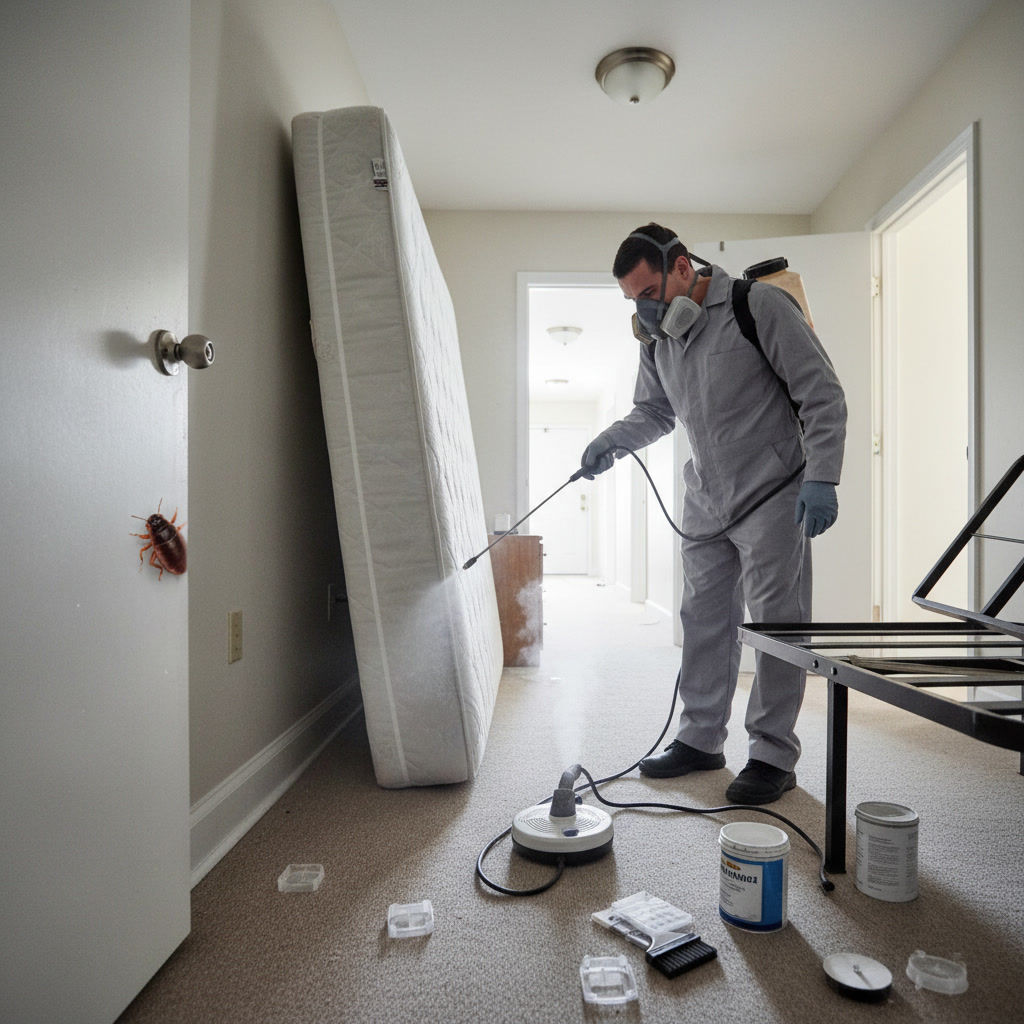
Bed bugs in apartments create unique challenges that single-family homes rarely face. When one unit gets infested, the bugs travel through walls, electrical outlets, and plumbing to reach neighboring units. Property managers and residents need to understand which bed bug treatment options work best when dealing with shared spaces, multiple entry points, and the risk of re-infestation from adjacent apartments.
This guide covers the most effective treatment methods for apartment buildings and multi-family properties, helping you choose strategies that stop infestations at the source and prevent spread throughout your building.
Why Bed Bugs Spread So Fast in Multi-Family Buildings
Apartment buildings provide bed bugs with countless pathways to move between units. These insects travel through tiny cracks around pipes, inside wall voids, along electrical conduits, and even through ventilation systems. A single infested apartment can seed dozens of neighboring units within weeks if left untreated.
Shared laundry facilities, common hallways, and furniture left in lobbies or near trash areas all serve as transfer points. Residents moving furniture in and out of the building or having guests over unknowingly introduce new bugs or carry existing ones to new locations.
The turnover rate in rental properties compounds the problem. New tenants may bring infested furniture or luggage, and previous residents may leave behind hidden populations that emerge months later. This cycle makes comprehensive building-wide approaches essential rather than treating individual units in isolation.
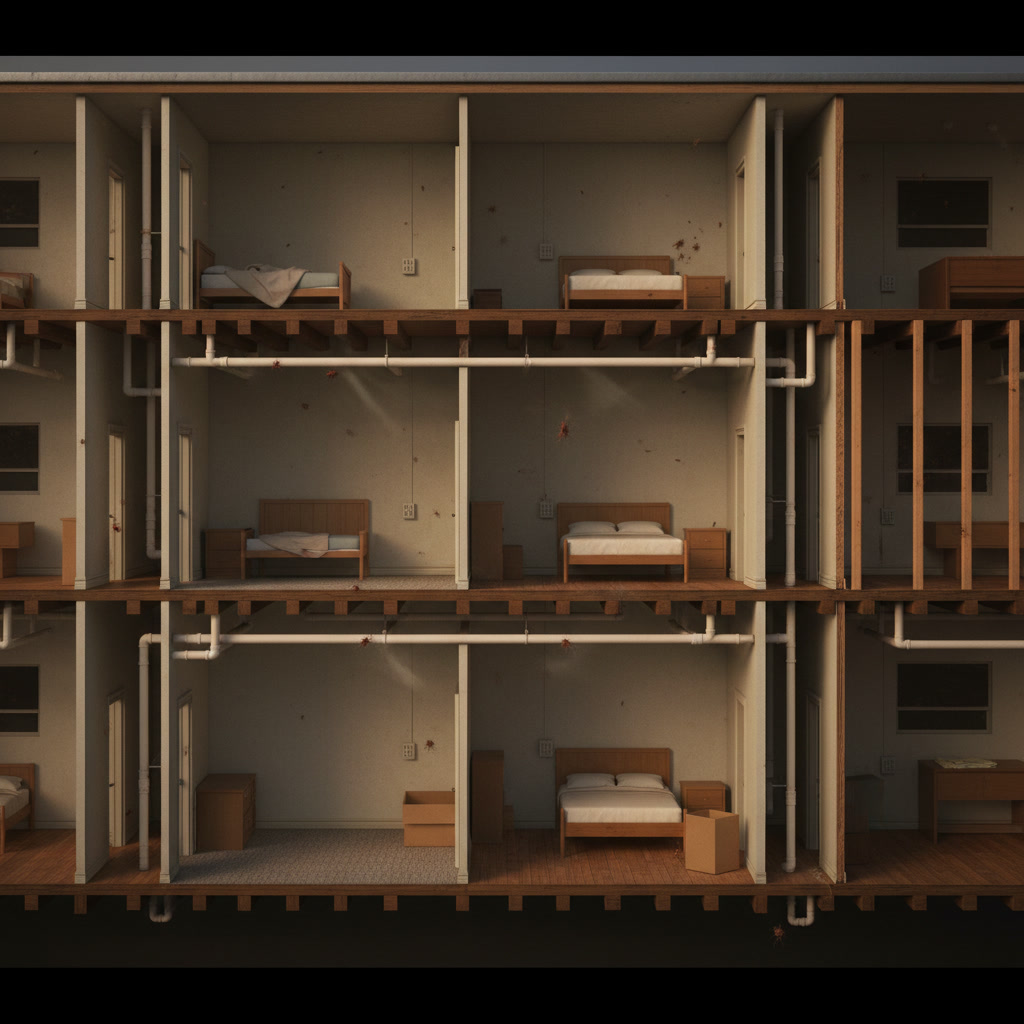
Heat Treatment for Multi-Unit Properties
Heat treatment remains one of the most effective bed bug treatment options for apartments because it penetrates every crack, crevice, and hiding spot simultaneously. Professional exterminators raise the temperature of an entire unit to 120-135°F for several hours, which kills bed bugs at all life stages including eggs.
The main advantage in apartment settings is speed. A single unit can be treated and cleared for re-occupancy within 24 hours, minimizing disruption for residents. The heat also reaches areas that chemical sprays cannot access, such as inside electronics, deep within furniture joints, and behind baseboards.
Cost presents the primary drawback. Heat treatments typically run $1,000 to $3,000 per apartment unit depending on size and infestation severity. For buildings with multiple infested units, the expense adds up quickly. However, the one-time treatment often proves more economical than repeated chemical applications over several months.
Pro Tip: Heat treatment works best when combined with barrier treatments in shared walls. Apply residual insecticides along wall voids and pipe chases after heat treatment to prevent bugs from neighboring units from moving in.
Preparing Units for Heat Treatment
Residents must remove heat-sensitive items before treatment begins. Medications, aerosol cans, wax candles, vinyl records, and certain plastics can melt or become damaged at high temperatures. Plants and pets must also be relocated during the process.
Furniture should remain in place so heat can penetrate all infested areas. Moving furniture out actually reduces treatment effectiveness by creating new hiding spots and spreading bugs during the moving process.
Chemical Treatment Strategies for Shared Buildings
Chemical treatments offer more affordable bed bug treatment options for buildings needing to treat multiple units. Modern insecticides fall into several categories, each working differently to kill bugs and prevent resistance.
Pyrethroids are the most common class but many bed bug populations have developed resistance. Neonicotinoids work on resistant populations and provide longer residual protection in cracks and crevices. Desiccants like diatomaceous earth and silica gel physically damage the bugs’ protective coating, causing dehydration and death over several days.
The most effective chemical protocols combine multiple product types. An initial treatment might use a fast-acting contact spray to knock down visible bugs, followed by dust application in wall voids and a residual liquid spray on baseboards and furniture. This layered approach catches bugs in multiple ways and reduces the chance of survivors developing resistance.
Chemical treatments require multiple visits spaced two weeks apart. The two-week interval allows newly hatched nymphs to emerge from eggs (which most chemicals cannot kill) and contact treated surfaces before they mature and reproduce. Plan for at least three treatments per unit, with follow-up inspections to confirm elimination.
Building-Wide Treatment Protocols
Treating one apartment while ignoring neighbors rarely succeeds. Commercial pest control professionals recommend treating all adjacent units, including those directly above, below, and on both sides of confirmed infestations.
Some property managers in Queens Village and surrounding areas opt for preventive treatments of the entire building when bed bugs appear. While more expensive upfront, this approach often costs less than chasing infestations from unit to unit over many months.
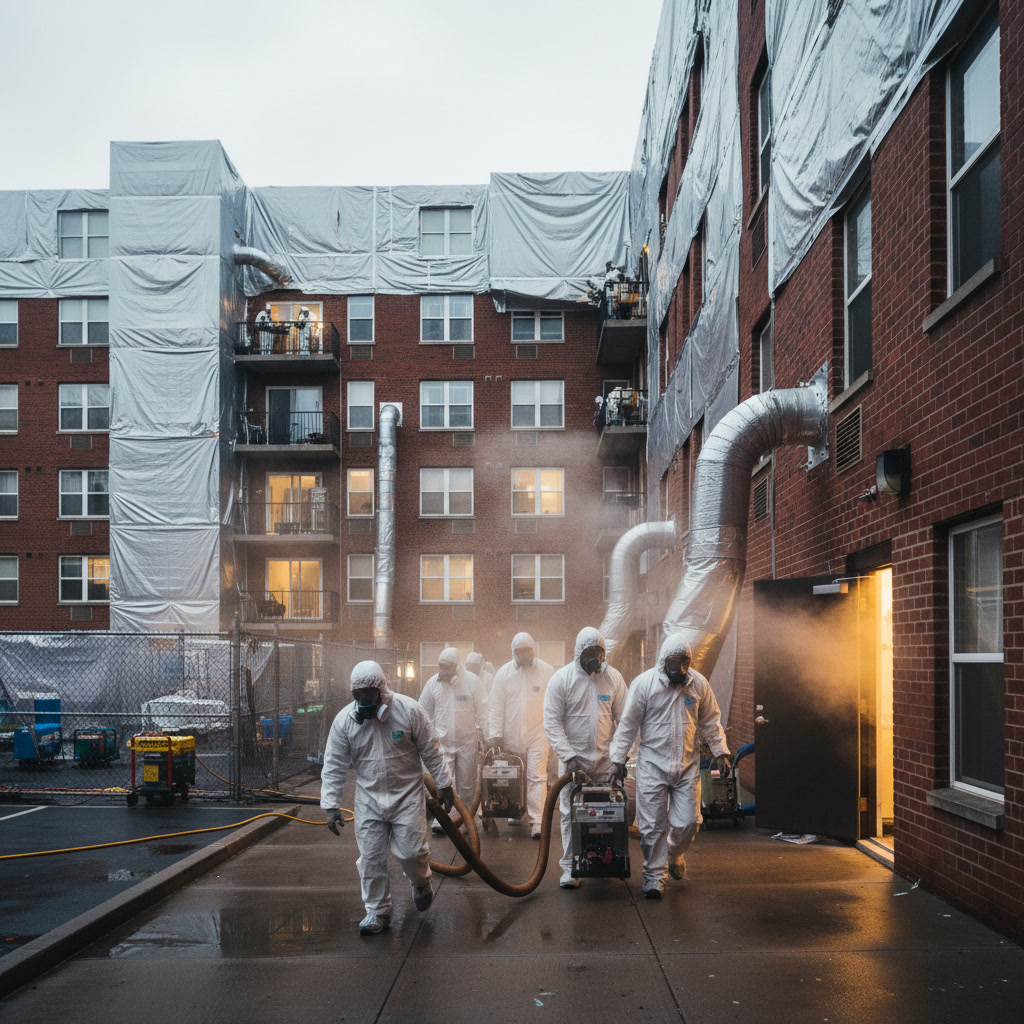
Integrated Pest Management for Long-Term Control
Integrated Pest Management combines multiple strategies to manage bed bugs without relying solely on pesticides. This approach works especially well for multi-family buildings where long-term prevention matters as much as immediate elimination.
Regular inspections form the foundation of IPM programs. Monthly or quarterly checks of high-risk units help catch new infestations when populations remain small and easier to control. Property managers should inspect units after tenant turnover, focusing on bedrooms and living areas where people spend the most time.
Physical modifications reduce harborage areas and make detection easier. Sealing cracks around baseboards, outlet covers, and pipe penetrations blocks travel routes between units. Mattress and box spring encasements trap any bugs inside furniture, preventing them from feeding and eventually starving them out.
Tenant education programs teach residents how to spot early signs of bed bugs, what to do if they suspect an infestation, and how to avoid bringing bugs home from other locations. Buildings with active education programs report infestations faster, when they are still manageable.
Monitoring and Detection Tools
Passive monitoring devices help detect bed bugs before visible infestations develop. Interceptor traps placed under bed legs catch bugs attempting to climb up to feed. These simple plastic dishes cost a few dollars each and provide early warning of new activity.
Active monitors use heat and carbon dioxide to lure bugs into traps, mimicking the signals that sleeping humans produce. While more expensive at $50 to $200 per monitor, they catch bugs faster and work well in vacant units or common areas where beds are not present.
Canine inspection teams offer another detection method. Trained dogs can smell bed bugs and their eggs, identifying infested units with 90% or higher accuracy. The cost runs $300 to $500 per building inspection, but dogs can survey an entire property in hours rather than days.
Steam and Vacuum Treatment Methods
Steam treatment provides a non-chemical option that kills bed bugs on contact. Professional-grade steam cleaners produce dry vapor at 180-200°F, hot enough to kill bugs and eggs instantly. The steam penetrates fabric, carpets, and small cracks where bugs hide.
This method works well as a supplemental treatment alongside chemical or heat applications. Steam can be applied to furniture that residents cannot remove from units, such as large wardrobes or built-in shelving. It also addresses areas where chemical application is not appropriate, like children’s toys or bedding.
Specialized vacuums with HEPA filters physically remove bed bugs from surfaces. While vacuuming alone will not eliminate an infestation, it reduces population numbers and removes eggs that chemicals cannot kill. The captured bugs must be sealed in plastic bags and disposed of immediately to prevent escape.
Both steam and vacuum methods require thorough application. Missing even small areas allows survivors to rebuild populations within weeks. These techniques work best when performed by trained professionals who understand bed bug behavior and hiding patterns.
Treatment Costs and ROI for Property Managers
Understanding the true cost of different bed bug treatment options helps property managers make informed decisions. Heat treatments average $1,200 to $2,500 per unit but typically require only one application. Chemical treatments cost $300 to $800 per visit but need three or more visits, bringing total costs to $900 to $2,400 per unit.
These direct treatment costs represent only part of the financial impact. Vacant units during treatment lose rental income. Tenant turnover due to unresolved bed bug problems costs thousands in vacancy periods, cleaning, and advertising for new residents. Legal costs can mount if tenants withhold rent or sue over habitability issues.
Investing in preventive measures often provides better returns than reactive treatments. Regular inspections cost $50 to $100 per unit annually but catch problems when they are still small. Educating tenants costs almost nothing but dramatically reduces the spread of infestations between units.
Properties in areas like St. Albans and Cambria Heights face higher risks due to housing density and transit connections. Building owners in these neighborhoods should budget for both treatment and prevention rather than hoping to avoid the problem.
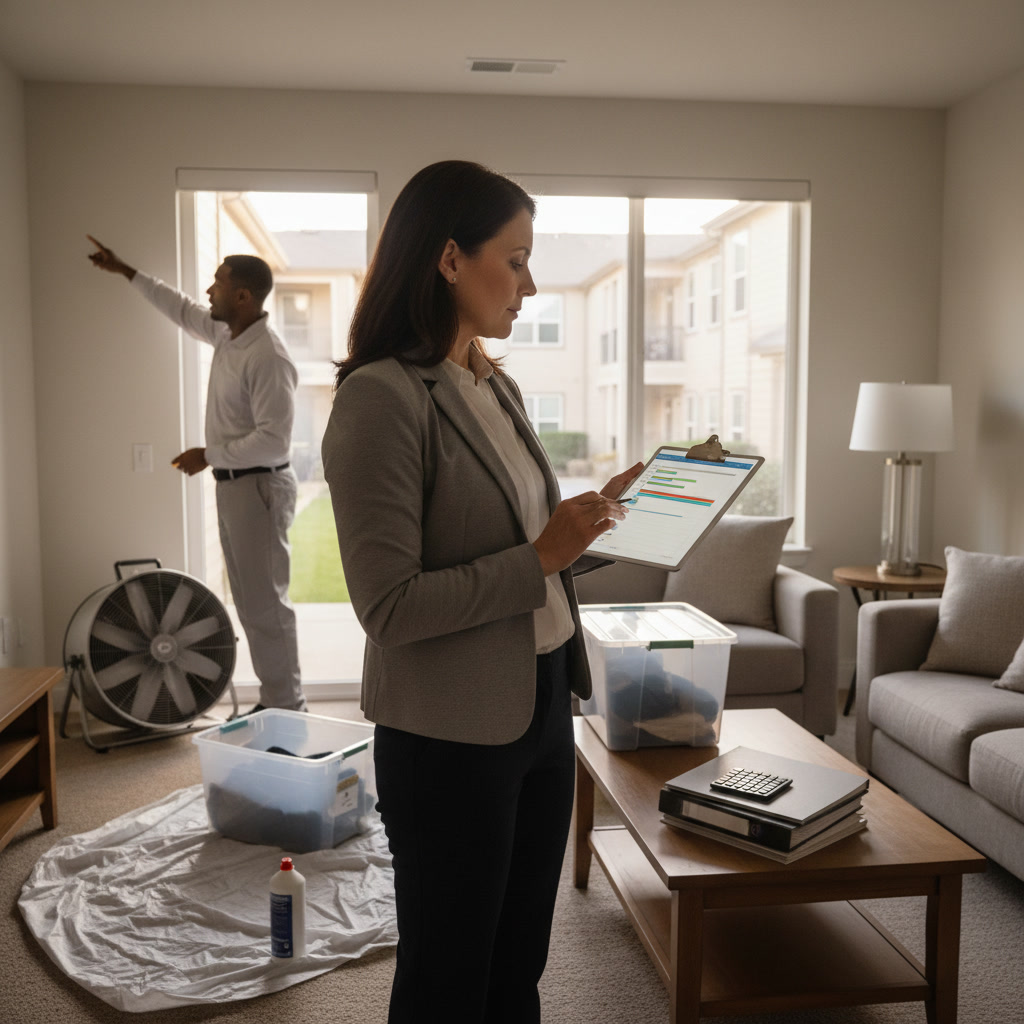
Prevention Strategies Between Treatments
Preventing re-infestation matters as much as eliminating current bed bugs. Even after successful treatment, new bugs can enter from neighboring units, visiting guests, or items brought into the building.
Install door sweeps on all apartment entrance doors to reduce the chance of bugs crawling through gaps. The sweep should seal the space between the door bottom and threshold completely. This simple modification costs under $20 per door but significantly reduces pest movement through hallways.
Establish policies for furniture disposal that prevent residents from bringing infested items into the building. Require tenants to notify management before accepting donated furniture or purchasing used items. Some buildings ban used mattresses entirely or require professional inspection before allowing them inside.
Common laundry rooms need regular inspection and maintenance. Post signs instructing residents to transport laundry in sealed plastic bags rather than open baskets. Clean lint traps and check behind machines monthly, as these areas can harbor bed bugs traveling on infested clothing.
While different from bed bug control, understanding how other pests spread in multi-family settings helps create comprehensive pest prevention programs. The same inspection and sealing techniques that stop cockroach infestations often reduce bed bug entry points as well.
Legal Responsibilities and Tenant Communication
New York law requires landlords to provide habitable housing, which includes addressing bed bug infestations promptly. Property owners must respond to reports within specific timeframes and cannot retaliate against tenants who report problems.
Clear communication protects both parties. When a tenant reports bed bugs, confirm receipt of the complaint in writing and provide a timeline for inspection and treatment. Document all steps taken, including inspection dates, treatment methods used, and follow-up visits scheduled.
Some buildings include bed bug clauses in lease agreements outlining tenant responsibilities. These typically require residents to report suspected infestations immediately, prepare units for treatment as directed, and avoid moving potentially infested items into storage or common areas.
Notify adjacent units when treatment occurs, even if you do not disclose which specific apartment had the problem. This warning allows neighbors to watch for signs of spread and report issues early. Some property managers offer voluntary inspections to concerned residents after treating nearby units.
Choosing the Right Treatment for Your Building
Several factors determine which bed bug treatment options make the most sense for your property. Building size and layout affect costs and logistics. A 200-unit high-rise faces different challenges than a three-story walk-up with 12 apartments.
Infestation severity guides treatment intensity. Light infestations caught early may respond to targeted chemical treatments in one or two units. Widespread problems affecting multiple floors often require building-wide heat treatment or comprehensive chemical protocols.
Tenant cooperation significantly impacts success rates. Buildings where residents actively participate in preparation, follow treatment protocols, and report problems quickly achieve better outcomes regardless of treatment method chosen.
Consider working with a pest control company experienced in multi-family properties. Bed bug treatment specialists understand the unique challenges of shared buildings and can recommend customized approaches based on your property’s specific situation.
Frequently Asked Questions
How long does it take to eliminate bed bugs from an apartment building?
Treatment timelines vary based on infestation severity and methods used. Heat treatments clear individual units in one day, but surrounding units may need treatment over several weeks. Chemical treatments typically require six to eight weeks with multiple applications spaced two weeks apart. Building-wide elimination can take three to six months when multiple units are involved.
Can bed bugs travel through air vents between apartments?
Bed bugs do not typically travel through air vents because they avoid open spaces and prefer to stay hidden in cracks and crevices. However, they can move along the outside of ductwork if it runs through wall voids or crawl spaces that connect units. Sealing gaps where ducts penetrate walls reduces this risk.
Should property managers treat vacant units for bed bugs?
Yes, vacant units should receive preventive inspection and treatment, especially if adjacent units have confirmed infestations. Bed bugs can survive several months without feeding, so populations may persist in empty apartments and reinfest the space when new tenants move in. Treating vacant units also prevents them from serving as reservoirs that spread bugs to occupied apartments.
What should tenants do with their belongings during treatment?
Most belongings should remain in place during treatment so they receive proper exposure to heat or chemicals. Items that must be removed include medications, food, plants, pets, and heat-sensitive objects during heat treatment. Clothing and linens should be washed in hot water and dried on high heat for at least 30 minutes, then sealed in plastic bags until treatment completes.
Are bed bug treatments safe for children and pets?
Modern bed bug treatments are generally safe when applied according to label directions by licensed professionals. Children and pets must leave during application and stay out until surfaces dry completely, typically two to four hours. Heat treatments pose no chemical exposure risk, though units become too hot for occupancy during the process. Always follow your pest control provider’s specific instructions for your situation.
Getting Professional Help for Your Property
Bed bug problems in multi-family buildings require professional expertise to resolve effectively. DIY treatments rarely work in apartment settings because they cannot address the interconnected nature of shared buildings or prevent spread between units.
Royal Exterminating Co provides comprehensive bed bug treatment options for apartment buildings and multi-family properties throughout Queens and Nassau County. Our licensed technicians understand the unique challenges of treating connected units and work with property managers to develop customized elimination and prevention programs.
We serve residential properties in Hollis, Laurelton, Springfield Gardens, Rosedale, Elmont, Valley Stream, Franklin Square, and surrounding areas. Whether you need to treat a single unit or develop a building-wide prevention program, our team can assess your situation and recommend the most effective approach.
Contact Royal Exterminating Co at +16469962656 to schedule an inspection or discuss treatment options for your property. Our experience with multi-family buildings in Jamaica, New York and throughout the region helps property managers resolve bed bug problems quickly and prevent future infestations.