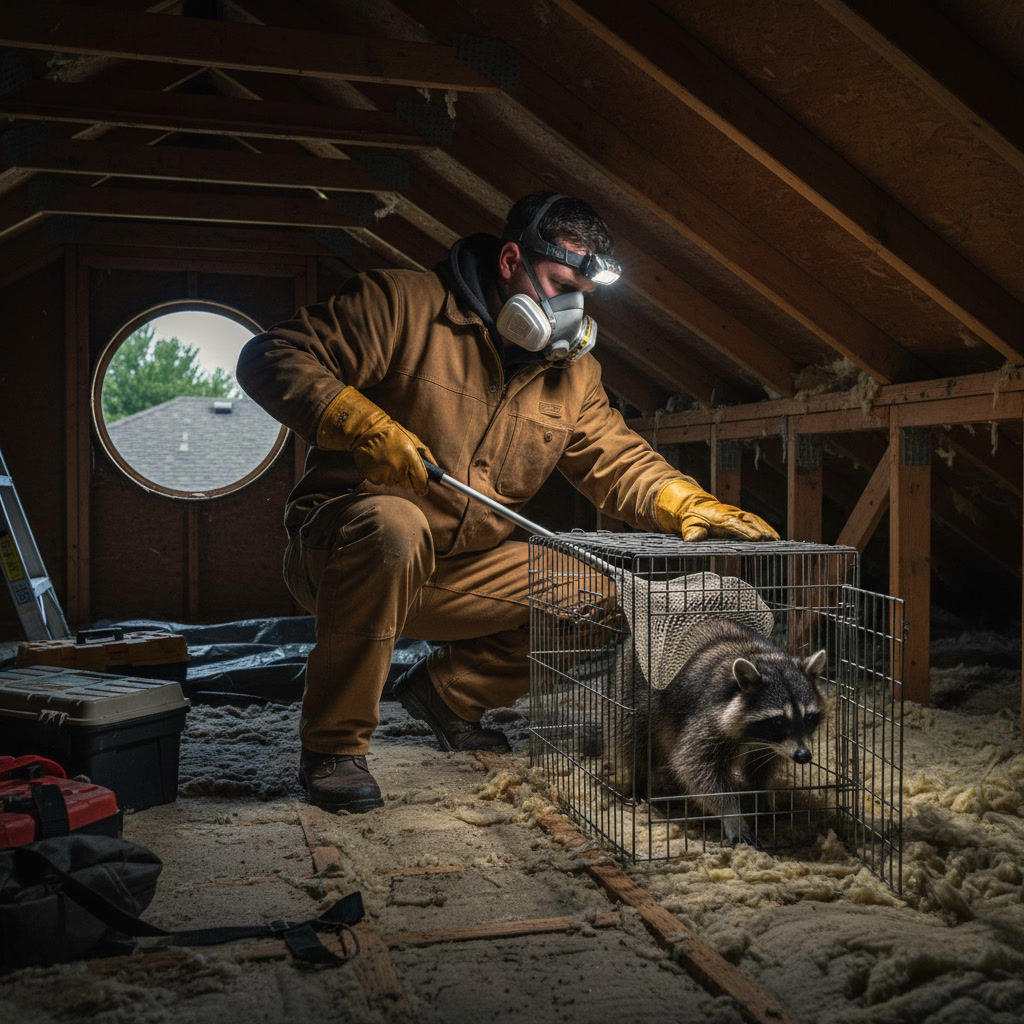
A professional wildlife removal service begins with a thorough property inspection to identify animal species, entry points, and the extent of infestation. Trained technicians then create a customized extraction plan using humane trapping methods, followed by animal removal, exclusion work to seal access points, cleanup of contaminated areas, and preventive measures to stop future wildlife problems. The entire process typically takes between three days and two weeks depending on the complexity of the situation.
Why Wildlife Problems Require Professional Intervention
Wild animals in your home or business create serious health and safety risks that go beyond simple nuisance. Raccoons, squirrels, bats, and opossums carry diseases like rabies, leptospirosis, and histoplasmosis. Their droppings contaminate insulation and create toxic air quality. Many animals also cause structural damage by chewing electrical wires, which creates fire hazards, or by tearing through roofing materials and soffits.
Attempting DIY removal often makes the situation worse. Animals become defensive when cornered, leading to bites and scratches. Improper handling can separate mothers from babies, leaving young animals to die inside walls and create unbearable odors. Licensed professionals have the training, equipment, and legal permits required to handle protected species according to state regulations.
Initial Property Assessment and Species Identification
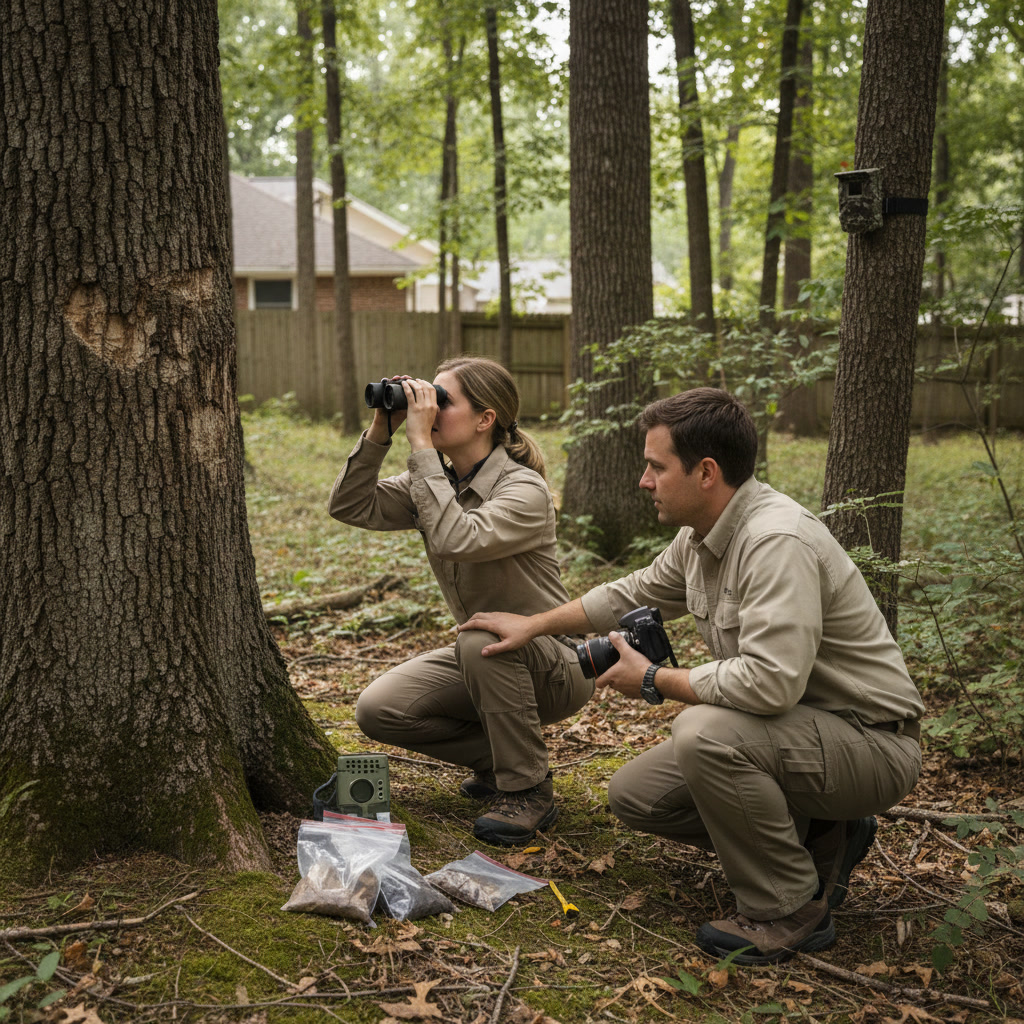
The first visit focuses on gathering information. A certified technician walks your entire property, both inside and outside, looking for signs of animal activity. This includes visual inspection of attics, crawl spaces, basements, and roof lines. The technician examines droppings, tracks, gnaw marks, nesting materials, and damage patterns to identify which species has invaded your space.
Different animals leave distinct signatures. Raccoons create large entry holes, typically 4 to 6 inches in diameter, and leave tracks showing five distinct toes. Squirrels prefer smaller openings around 2 inches wide and leave wood shavings near chewed areas. Bats squeeze through gaps as small as half an inch and leave greasy stains around entry points from their body oils.
Developing a Customized Extraction Strategy
After identifying the animal and understanding its behavior patterns, the technician designs a removal plan specific to your situation. This plan accounts for the species, number of animals, location of nests, presence of babies, and time of year. Spring and summer often involve baby animals, which requires different protocols than fall and winter removals.
The strategy includes trap placement locations, trap types, bait selection, and timeline estimates. Technicians also identify all entry points, including primary access holes and secondary escape routes. A complete pest assessment documents these findings with photos and detailed notes that become the roadmap for the entire removal process.
Humane Trapping and Animal Capture
Professional wildlife companies use live traps designed for specific animals. These devices capture without injury, meeting legal and ethical standards. Technicians position traps along active travel routes, near entry points, or at feeding areas based on the species’ habits.
Trap checks happen daily, as required by law in New York. Leaving animals trapped for extended periods causes unnecessary stress and potential death. Once captured, animals are handled according to state wildlife regulations. Some species can be relocated to approved areas, while others must be euthanized humanely due to disease concerns or legal restrictions. Technicians follow Department of Environmental Conservation guidelines for all disposal methods.
Professional Wildlife Services in Queens County
Property owners in Queens County face unique wildlife challenges due to the area’s mix of urban density and green spaces. The proximity to parks, waterways, and wooded areas creates wildlife corridors that bring raccoons, opossums, and other animals into residential neighborhoods. Older homes with mature trees and varied architecture provide numerous entry opportunities for determined animals.
Local building codes and wildlife regulations also shape how removal work proceeds. Certified companies understand these requirements and obtain necessary permits before beginning extraction work. This protects property owners from liability and ensures the work meets municipal standards.
Entry Point Exclusion and Sealing Work
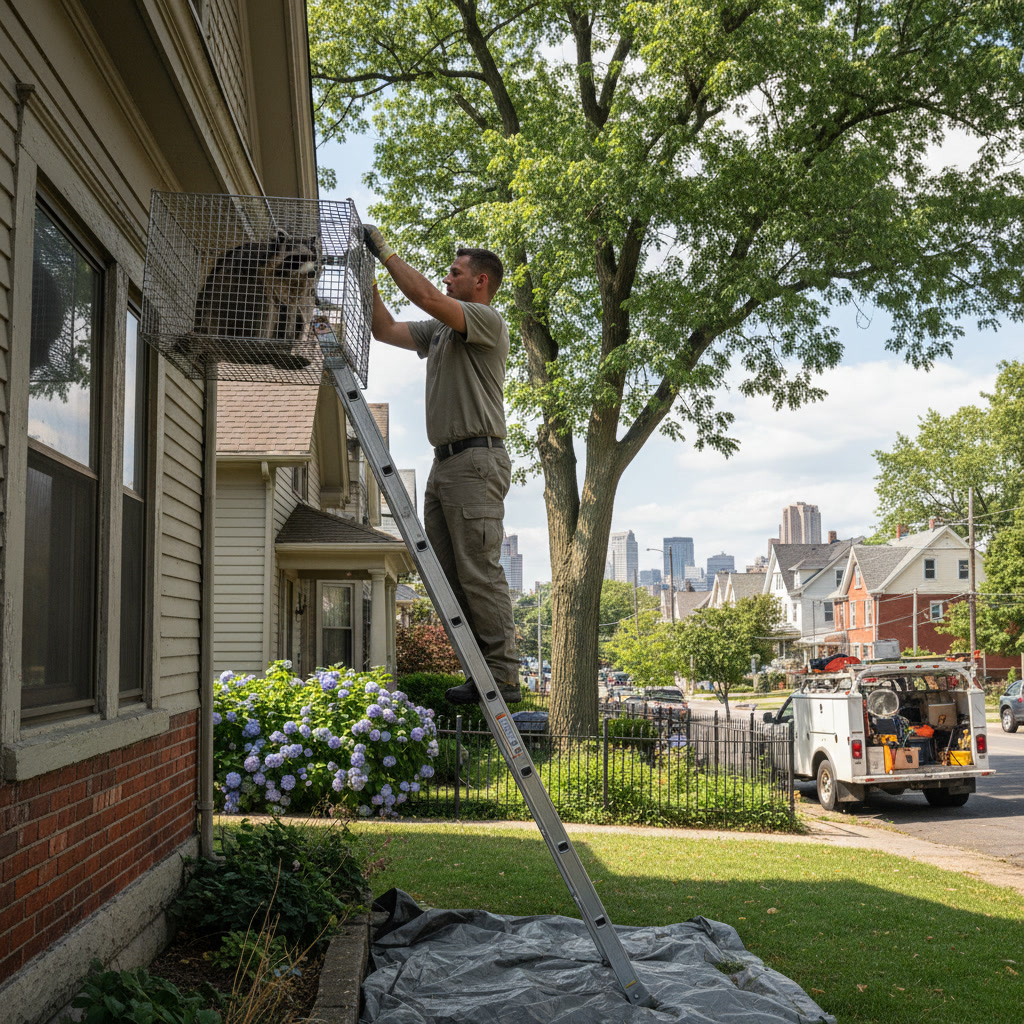
Removing the animal solves only half the problem. Without proper exclusion, new animals will simply move into the vacant space. Professional technicians seal all entry points using materials animals cannot chew through or tear apart. This typically includes heavy gauge steel mesh, metal flashing, and industrial-grade sealants.
Common exclusion work includes installing chimney caps, screening roof vents, repairing damaged soffits, sealing foundation gaps, and reinforcing weak areas around utility penetrations. The materials and methods vary based on the animal species, since different creatures have different capabilities. A repair that stops squirrels might not prevent mice or bats from entering.
One expert insight many property owners miss: exclusion work must account for seasonal expansion and contraction. Materials that seem tight in summer can develop gaps in winter as buildings shift. Professional installers use flexible sealants and proper fastening techniques that maintain integrity through temperature changes.
Contamination Cleanup and Sanitation
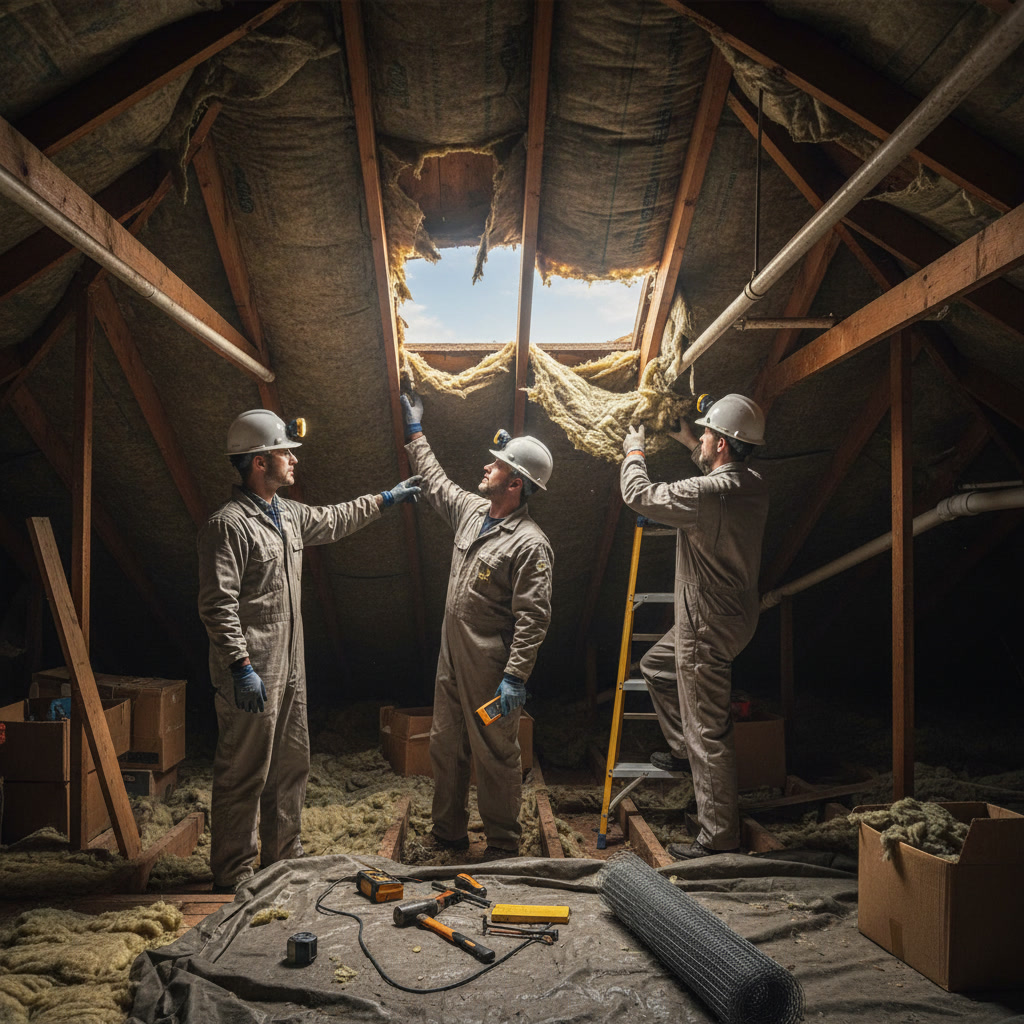
Wildlife leaves behind more than just memories. Urine-soaked insulation, feces, nesting materials, food debris, and parasites create health hazards that persist long after animals depart. Professional cleanup involves removing contaminated insulation, sanitizing affected surfaces with antimicrobial solutions, and treating for parasites like fleas, mites, and ticks that often accompany wildlife.
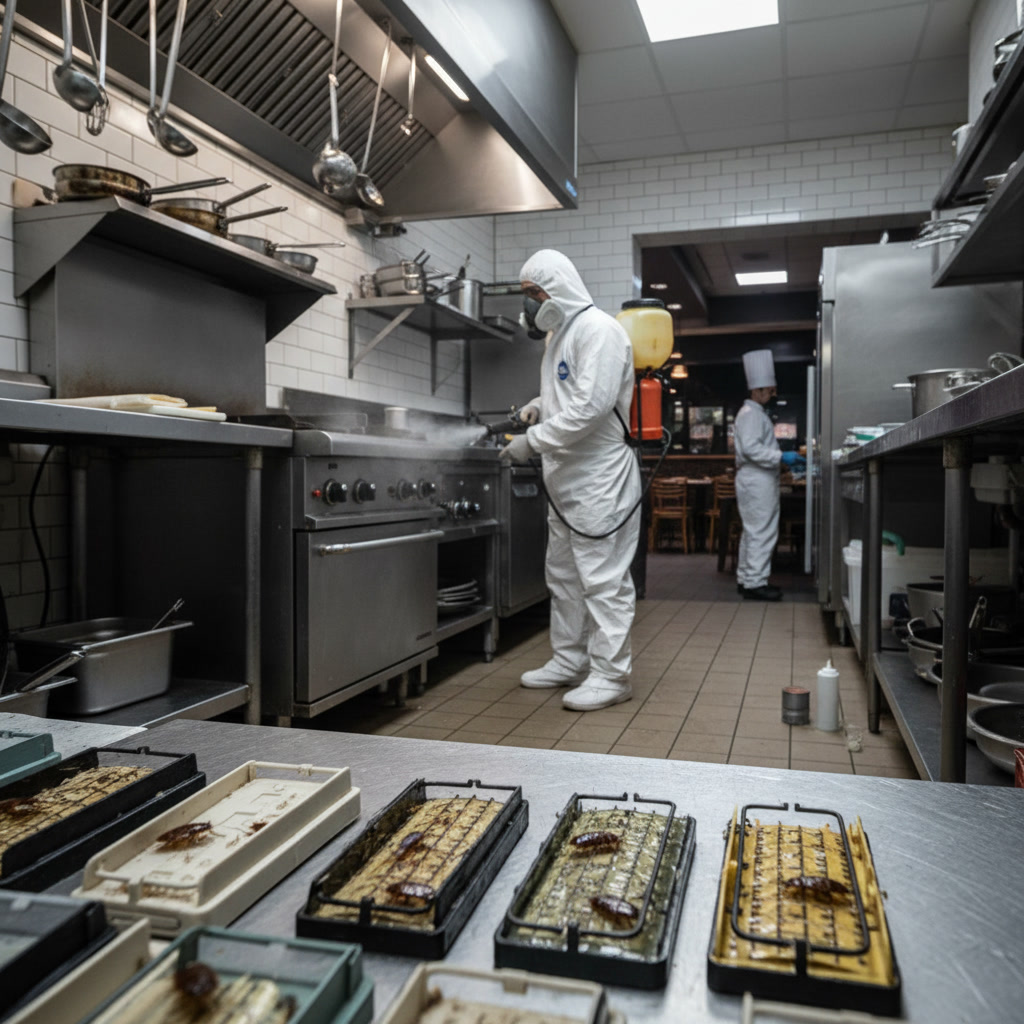
This work requires proper protective equipment, including respirators, gloves, and disposable suits. Disturbing dried animal waste releases airborne particles containing pathogens. Cleanup crews follow OSHA safety protocols and proper disposal procedures for biohazardous materials. Similar attention to cleanliness applies across all pest control work, as detailed in methods for restaurant sanitation after pest infestations.
Structural Damage Assessment and Repairs
Animals often cause damage that goes beyond simple entry holes. Raccoons tear apart ductwork and damage roof decking. Squirrels chew through electrical wiring, which creates serious fire risks. The damage assessment phase documents all structural issues caused by wildlife activity.
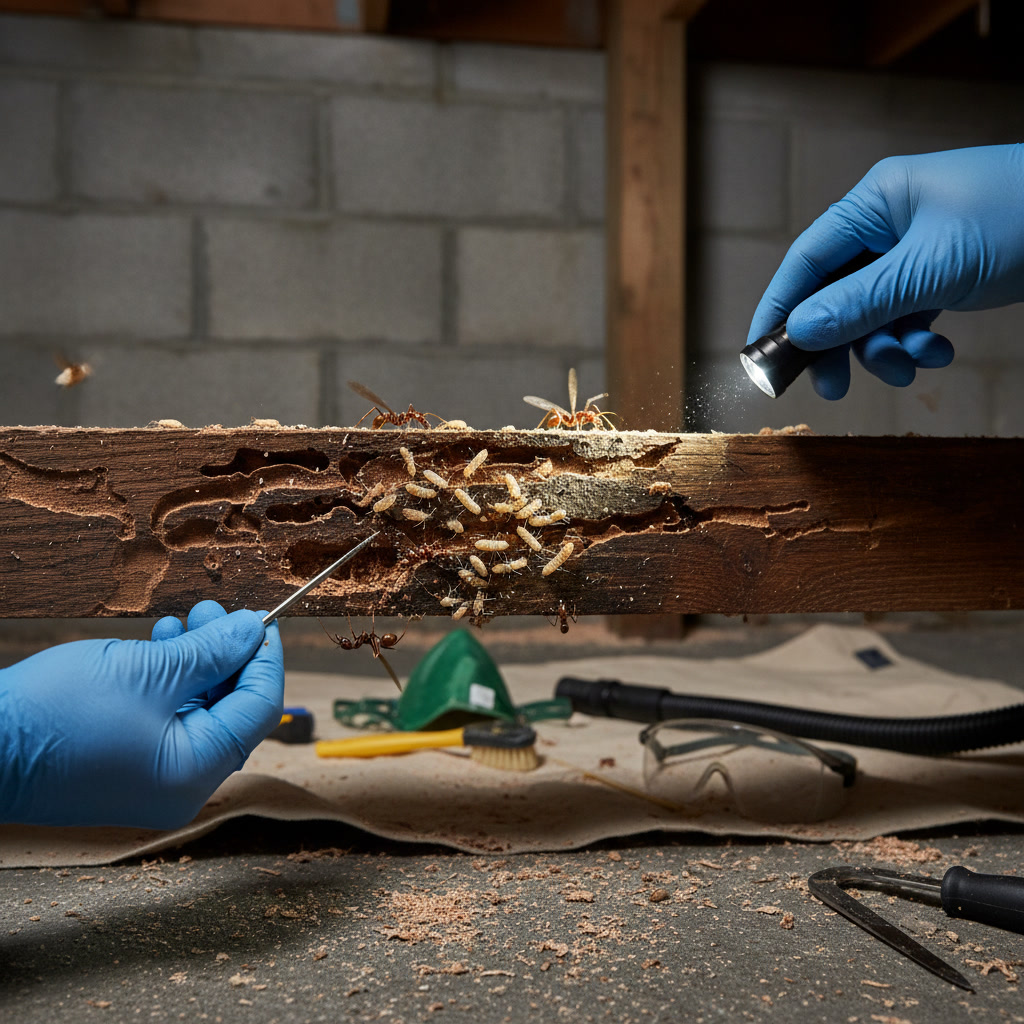
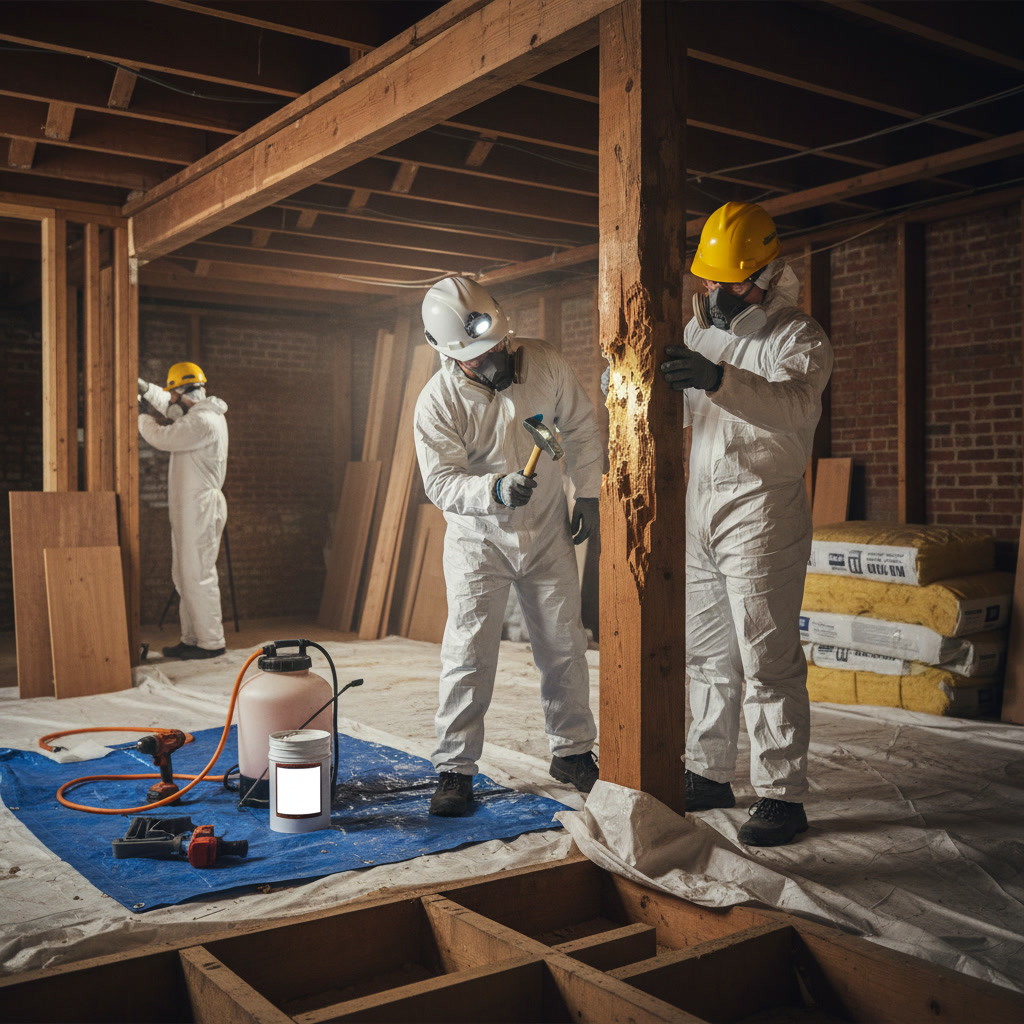
Some companies provide full repair services, while others coordinate with contractors who specialize in restoration work. This includes replacing damaged insulation, repairing electrical systems, fixing torn ductwork, and restoring damaged structural components. Property owners should understand which services are included in their wildlife removal contract and which require separate arrangements. Just as structural damage from wood pests requires specialized attention, wildlife damage often needs professional carpentry and electrical work.
Prevention Strategies and Property Modifications
The final phase focuses on making your property less attractive to wildlife. This includes trimming tree branches that overhang roofs, securing garbage in animal-proof containers, removing outdoor food sources like pet bowls and bird feeders, and maintaining proper drainage to eliminate standing water.
Property modifications might include installing motion-activated lights near potential entry areas, adding lattice or wire mesh under decks and porches, and maintaining a clear perimeter around the foundation. These changes reduce the likelihood of future wildlife problems without requiring ongoing chemical treatments or maintenance.
Follow-Up Monitoring and Warranty Coverage
Reputable wildlife removal companies provide follow-up inspections to verify that all animals have been removed and exclusion work remains effective. These visits typically occur at intervals over several weeks to a few months, depending on the original problem’s severity.
Many companies offer warranties on exclusion work, guaranteeing that sealed entry points will keep animals out for a specified period, often one to five years. Understanding warranty terms before signing contracts protects you from unexpected costs if animals find new ways to enter. Some warranties cover only the specific entry points that were sealed, while comprehensive warranties protect against any new wildlife intrusion.
Protecting Your Property From Future Intrusions
Professional wildlife extraction provides immediate relief from animal problems while establishing long-term protection through exclusion work and property modifications. The investment in proper removal pays dividends by preventing recurring infestations, protecting your home’s structural integrity, and eliminating health risks from animal-borne diseases.
Choosing a licensed, insured company ensures the work meets professional standards and complies with state wildlife regulations. Certified technicians bring expertise in animal behavior, humane handling techniques, and construction methods that deliver lasting results. The combination of thorough removal, complete exclusion, and preventive strategies creates a comprehensive solution that DIY methods cannot match.
Royal Exterminating Co provides comprehensive wildlife removal services throughout New York City and surrounding areas. Our licensed technicians follow systematic protocols that ensure complete animal removal, proper exclusion, and long-term prevention. Contact us at +16469962656 to schedule a property assessment and receive a detailed removal plan tailored to your specific wildlife situation.