The insect extermination process follows a structured approach that begins with a thorough property inspection, continues through targeted treatment application, and concludes with monitoring and prevention strategies. Professional exterminators examine your property to identify pest species, locate entry points and nesting areas, apply appropriate control methods, and schedule follow-up visits to ensure complete elimination. This systematic method delivers better results than over-the-counter products because it addresses root causes rather than surface symptoms.
Why Professional Inspection Matters More Than You Think
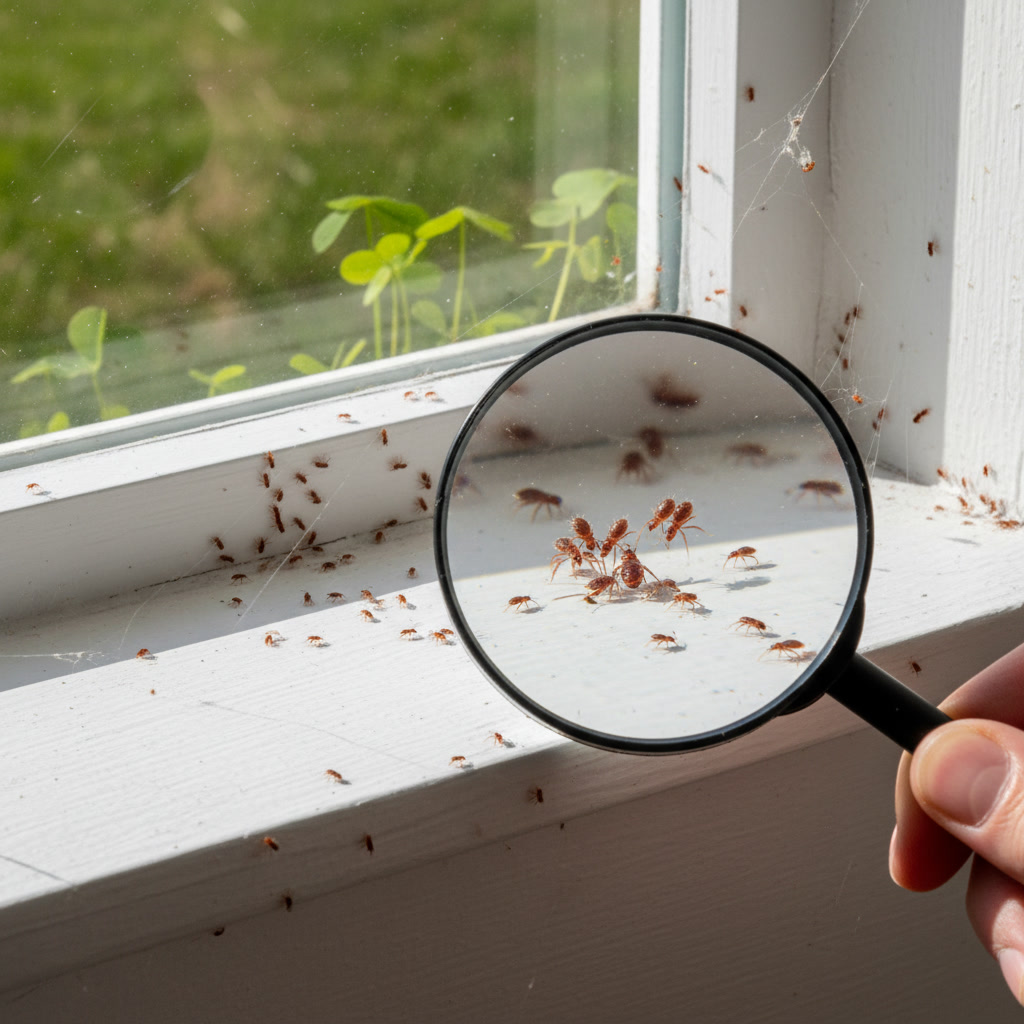
Most homeowners notice only a fraction of the insect activity happening in their walls, crawl spaces, and other hidden areas. A professional inspection reveals the full scope of an infestation by examining areas you cannot easily access. Trained technicians look for visual evidence like droppings, shed skins, and damage patterns, but they also check moisture levels, structural vulnerabilities, and conducive conditions that attract pests.
An accurate inspection determines which species you’re dealing with, and that identification drives every decision that follows. Treatment methods effective against ants may prove useless against beetles or silverfish. Misidentification wastes time and money while allowing populations to grow unchecked.
Understanding the Scope of Insect Threats in Queens County
Properties throughout Queens County face seasonal and year-round insect pressures from multiple species. The region’s climate supports thriving populations of cockroaches, bedbugs, carpenter ants, termites, silverfish, and various beetles. Each species exploits different vulnerabilities in residential and commercial buildings.
Urban density creates unique challenges because insects travel between connected structures through shared walls, utility lines, and ventilation systems. An infestation in one apartment or townhouse can spread to neighboring units within weeks. Royal Exterminating Co encounters this pattern regularly in multi-family buildings where individual treatments fail without coordinated building-wide strategies.

The Initial Assessment and Species Identification
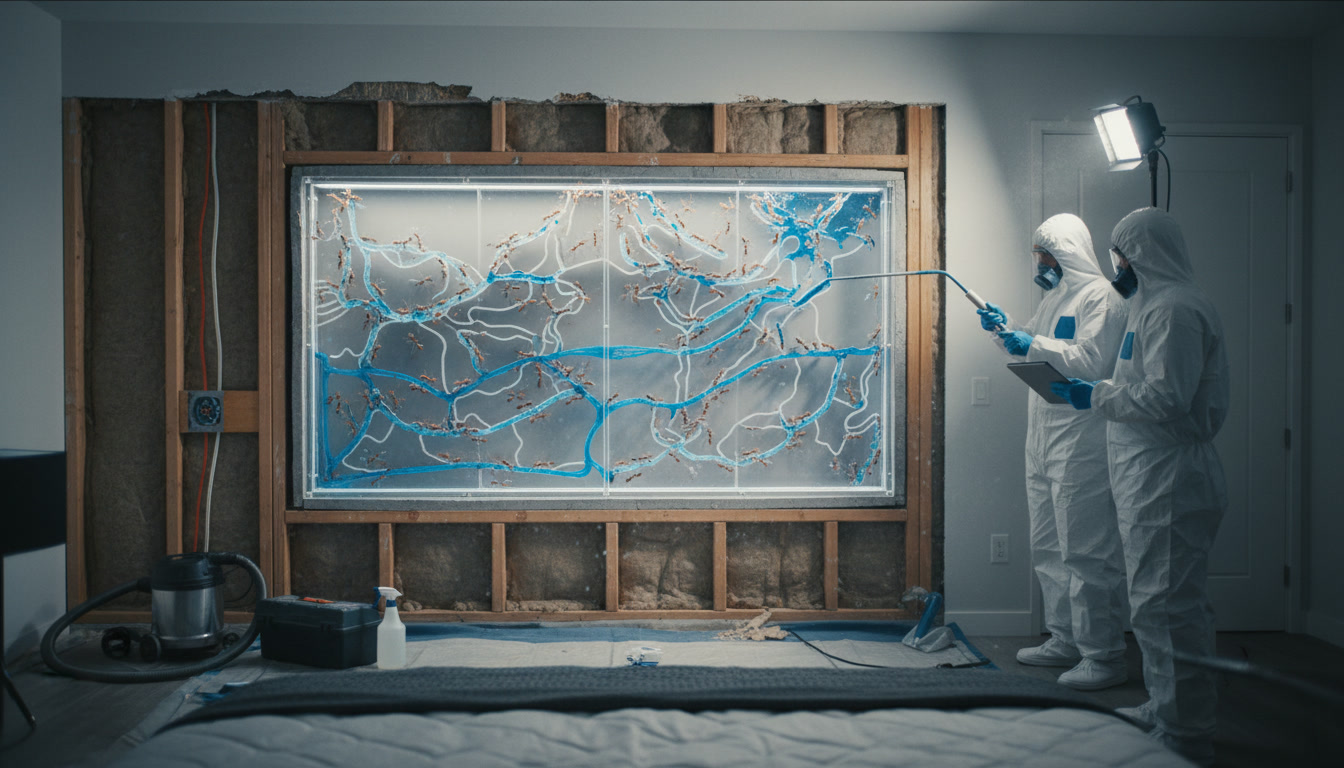
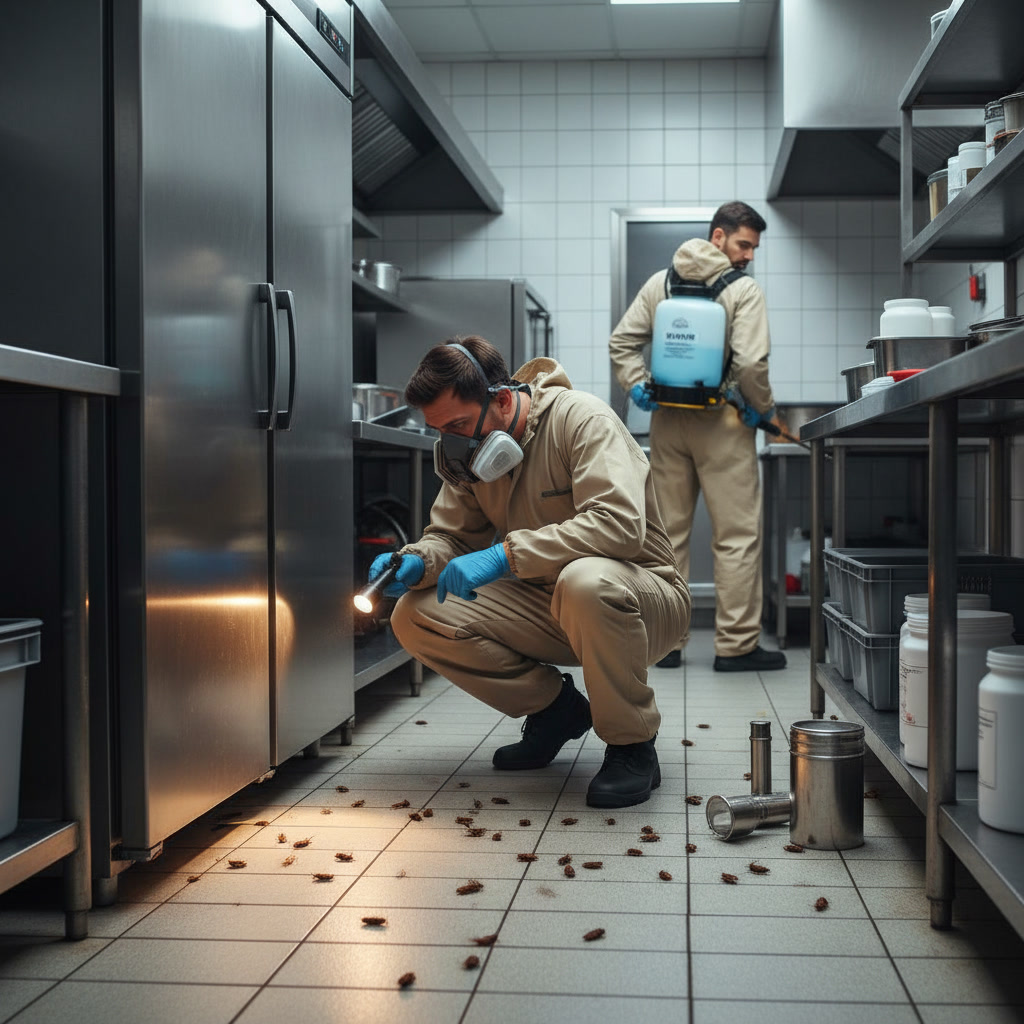
During the first visit, technicians conduct a room-by-room survey documenting active infestations, previous pest activity, and conducive conditions. They examine baseboards, behind appliances, inside cabinets, attic spaces, basements, and exterior perimeters. Moisture meters detect hidden water damage that attracts certain species. Flashlights and inspection mirrors reveal activity in wall voids and under fixtures.
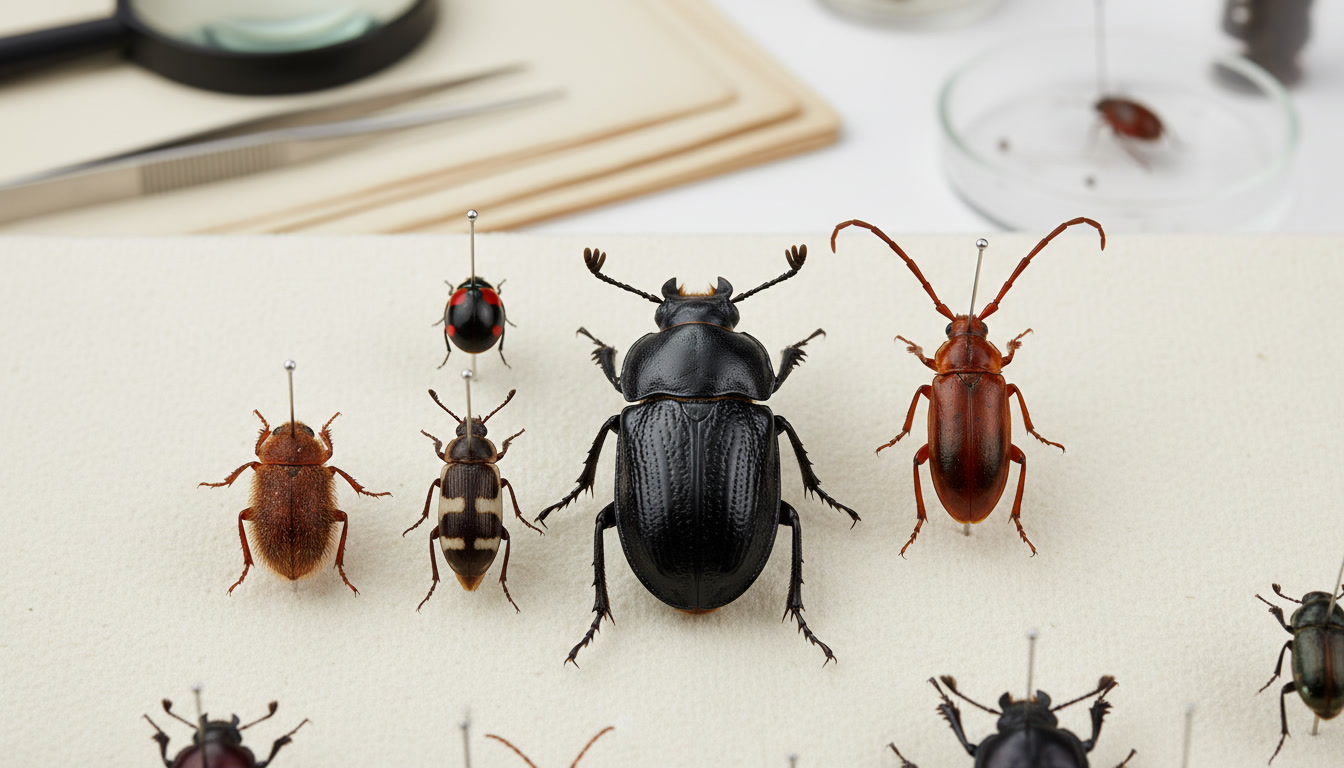
Technicians collect specimens when possible for precise identification. Visual characteristics like body shape, color, antennae structure, and leg count distinguish closely related species that require different treatments. A German cockroach infestation demands different tactics than American cockroaches, even though both infest kitchens.
The assessment also identifies contributing factors such as food sources, water leaks, entry points, and clutter that provides harborage. Addressing these issues alongside direct treatment dramatically improves long-term outcomes.
Creating a Customized Treatment Plan
No two properties present identical conditions, so effective exterminating services require customized plans. Technicians consider pest species, infestation severity, building construction, occupant sensitivities, and environmental factors when selecting treatment methods.
Plans typically combine multiple approaches for better results. Baiting systems work well for social insects like ants and certain cockroach species. Residual sprays create protective barriers in cracks and crevices. Dusts penetrate wall voids where liquids cannot reach. Growth regulators disrupt reproduction cycles. Each method serves a specific purpose within the overall strategy.
Timing matters considerably. Treating reproductive adults before egg laying prevents the next generation. Applying products when insects are most active increases contact rates. Seasonal adjustments account for changing behavior patterns throughout the year.
Treatment Application Methods and Product Selection
Professional treatments use products unavailable to homeowners, formulated for superior efficacy and longevity. These materials undergo rigorous EPA testing and receive approval only after demonstrating safety when applied according to label instructions.
Gel baits attract target insects while minimizing exposure to non-target organisms. Insects consume the bait and return to nesting areas where they contaminate other colony members through contact and food sharing. This transfer effect eliminates individuals never directly exposed to treatment.
Liquid residuals applied to cracks, crevices, and other insect pathways provide lasting protection. Modern formulations remain effective for weeks or months after application. Technicians focus these treatments on areas where insects travel rather than broadcasting across entire floor surfaces.
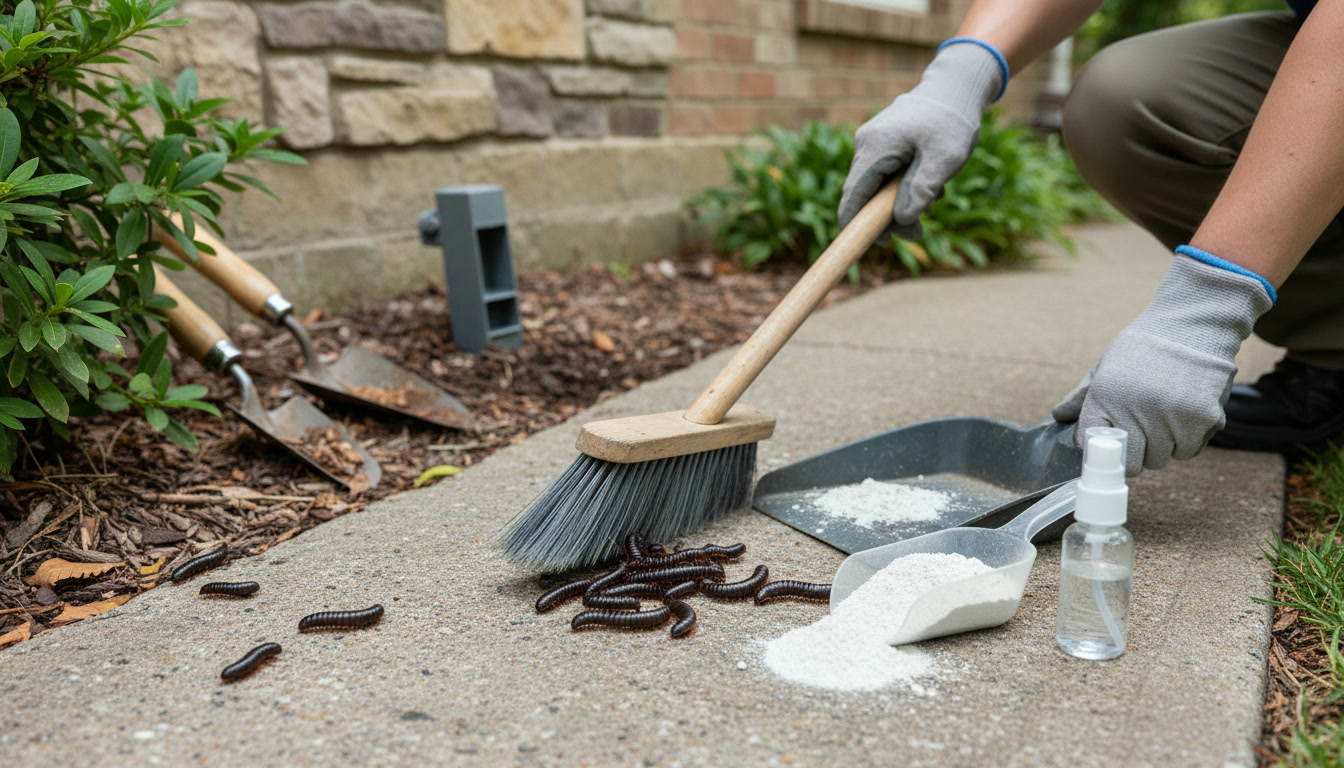
Dust formulations reach into wall voids, electrical outlets, and other enclosed spaces. These materials cling to insect bodies and remain active in dry environments for extended periods. They prove particularly effective against insects that hide in structural voids during daylight hours.

Specialized Approaches for Different Insect Categories
Certain insects require specialized techniques beyond standard spray-and-bait methods. Bed bug treatments often incorporate heat or steam applications because these pests show increasing resistance to chemical controls. Temperatures above 120 degrees Fahrenheit kill all life stages on contact, penetrating mattresses, furniture, and wall voids where sprays cannot reach.
Wood-damaging insects like powderpost beetles and carpenter ants require direct treatment of infested wood plus addressing moisture issues that make wood vulnerable. Surface treatments alone miss the larvae boring inside timber.
Inspection dogs trained to detect bedbug scent provide accuracy exceeding visual inspections, particularly in early infestations before populations become obvious. Similar to techniques used in multi-family buildings, this technology identifies precisely which rooms require treatment rather than guessing based on complaints.
Safety Protocols During Treatment
Licensed technicians follow strict safety procedures protecting occupants, pets, and the environment. Treatment plans specify required preparation steps such as removing food items from cabinets, covering aquariums, and vacating the premises for specified periods when necessary.
Most modern treatments allow occupants to remain in treated areas or return within hours. Products dry quickly and emit minimal odor compared to older formulations. Technicians apply materials precisely where insects live and travel rather than saturating living spaces.
All products carry EPA registration numbers and detailed safety data sheets. Technicians wear appropriate protective equipment and follow label instructions exactly. Proper application rates ensure effectiveness while minimizing unnecessary exposure.
The Critical Importance of Follow-Up Visits
Initial treatments rarely eliminate 100% of an insect population in a single application. Eggs protected inside crevices or egg cases hatch days or weeks after treatment, producing a new generation that requires additional control. Scheduled follow-up visits catch these emerging insects before they mature and reproduce.
Follow-up inspections also assess treatment effectiveness and identify any missed areas. Technicians look for new activity, check bait stations and monitoring devices, and reapply materials as needed. Most programs include two to four follow-up visits spaced according to the target species’ life cycle.
These return visits cost significantly less than initial services but deliver essential value. They transform a single treatment into a comprehensive elimination program with verified results.

Monitoring Systems and Early Detection
Professional programs install monitoring devices that detect insect activity between service visits. Sticky traps placed in key locations capture insects and reveal population trends. Pheromone monitors attract specific species, confirming their presence or absence. Insect light traps in commercial settings track flying insect activity over time.
These devices serve two purposes. They provide early warning when new insects enter treated areas, allowing quick response before populations explode. They also verify treatment success by showing declining or zero captures over successive inspections.
Regular monitoring proves especially valuable in commercial settings where documentation requirements and zero-tolerance policies demand proof of ongoing control.
Prevention Strategies That Extend Results
Successful programs combine elimination with prevention to stop future infestations. Technicians identify and recommend sealing entry points around pipes, cables, vents, and foundation cracks. Even small gaps allow insects inside, so thorough exclusion work pays lasting dividends.
Moisture control eliminates conditions attractive to many insect species. Fixing leaks, improving ventilation, and addressing drainage issues removes water sources insects need for survival. Reducing clutter eliminates hiding places and makes future inspections more effective.
Sanitation improvements remove food sources that sustain insect populations. Storing food in sealed containers, cleaning up spills promptly, and managing garbage properly create less hospitable environments. These steps work alongside chemical treatments to maintain insect-free conditions long-term, similar to integrated strategies discussed in restaurant pest control.
Getting Started With Professional Service
Property owners facing insect problems benefit most from acting quickly before minor issues become major infestations. Early intervention requires fewer treatments, costs less, and prevents the stress and property damage associated with established populations. Professional assessment identifies problems you might not notice until they become severe.
The structured approach from inspection through treatment and follow-up delivers reliable results backed by industry expertise and professional-grade materials. Licensed technicians bring training, experience, and resources that DIY methods cannot match, turning persistent insect problems into resolved issues with documented outcomes.
Royal Exterminating Co provides comprehensive pest management services throughout New York City and surrounding areas, addressing insect infestations with proven methods and attention to detail. If you’re dealing with unwanted insects in your residential or commercial property, professional help is available at +16469962656.