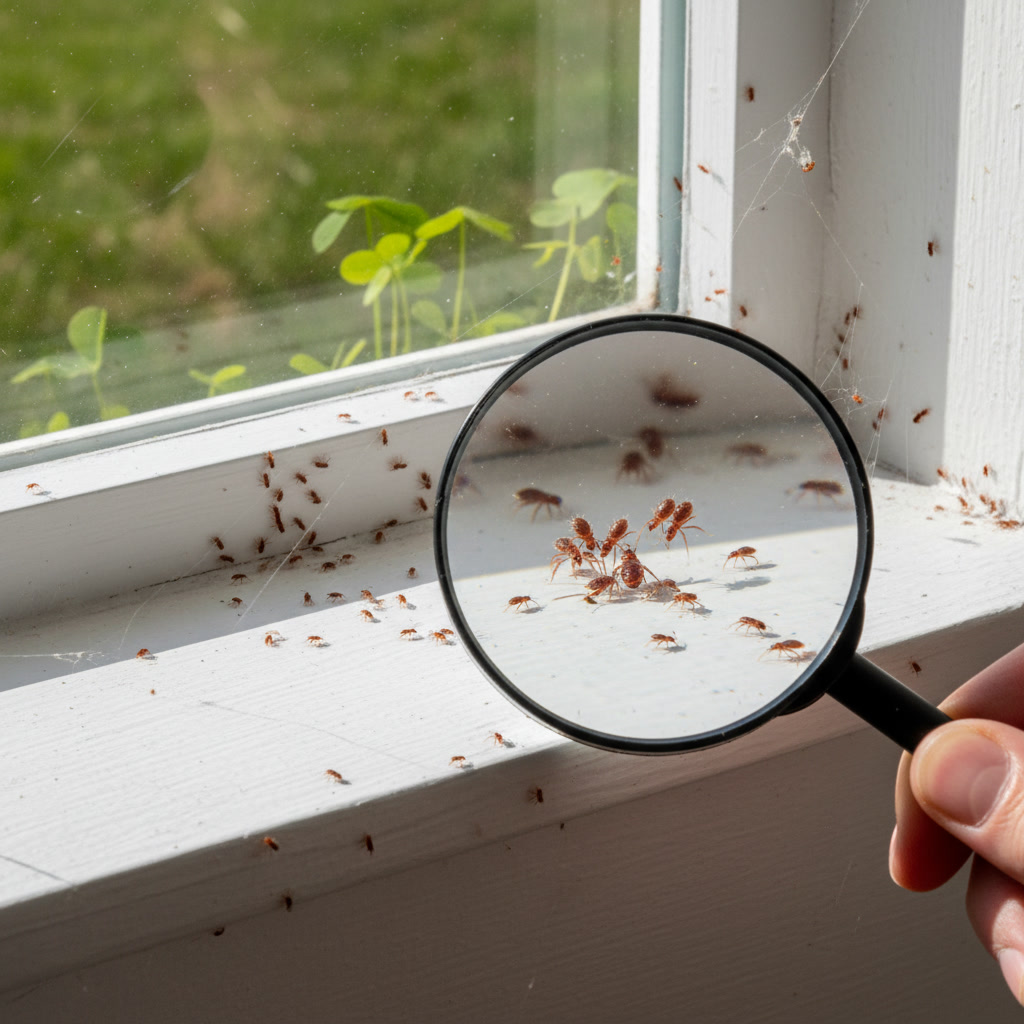
Scorpions in your basement or crawl space leave behind several telltale indicators before you ever encounter one in person. The most reliable signs of scorpions include shed exoskeletons, droppings that resemble tiny ground pepper flakes, nocturnal activity detected with UV light, and an increase in their prey species such as crickets and spiders. While scorpions are less common in New York than in southwestern states, certain species can establish populations in dark, undisturbed spaces with adequate moisture and food sources.
Why Scorpions Choose Basements and Crawl Spaces
Scorpions seek environments that mimic their natural habitat: dark, cool spaces with consistent humidity and access to prey. Your basement or crawl space provides exactly these conditions. The temperature stays relatively stable year-round, moisture from foundation seepage or poor ventilation creates ideal humidity levels, and the darkness offers protection from predators.
These areas also tend to accumulate the insects scorpions hunt. Crickets, silverfish, spiders, and other arthropods gravitate toward the same conditions, creating a ready food supply. Most scorpions can survive for months without eating, but when prey is abundant, they establish long-term residence. Unlike other pests that move through your home opportunistically, scorpions actively choose to stay in one location when conditions meet their needs.
Physical Evidence Left Behind
The most visible sign of scorpion presence is the exoskeleton they shed during molting. Scorpions molt five to seven times before reaching maturity, leaving behind pale, translucent shells that look identical to the scorpion itself but are hollow and lightweight. These exoskeletons typically collect in corners, along foundation walls, or near their hiding spots. Finding even one indicates active scorpion presence, since they don’t travel far from their established territory.
Scorpion droppings appear as small, dark specks similar to crushed peppercorns. You’ll find these concentrated near their burrows or along the routes they travel while hunting. The droppings often contain fragments of insect exoskeletons, since scorpions cannot digest these chitinous parts. Check along baseboards, in foundation cracks, and around stored items where scorpions hide during daylight hours.
Detecting Scorpions in Queens County and Surrounding Areas
While New York doesn’t host the same scorpion populations as Arizona or Texas, the striped bark scorpion and a few related species have been documented in the region. These scorpions typically arrive as accidental hitchhikers in shipments, firewood, or building materials. Once established in a suitable environment like your basement, they can reproduce and create a sustainable population.
The climate in Queens County and neighboring boroughs doesn’t support outdoor scorpion colonies year-round, but heated basements provide enough warmth for survival. Most infestations stem from a small founding population that goes unnoticed for months or years. By the time homeowners spot an adult scorpion, multiple generations may already be living in the space.
The UV Light Detection Method
Scorpions fluoresce under ultraviolet light, glowing bright blue-green due to compounds in their exoskeleton. This characteristic makes UV flashlights the most effective tool for detecting scorpion activity. Wait until full darkness, then sweep a UV flashlight across your basement or crawl space. Live scorpions will light up unmistakably, even from 20 feet away.
This method reveals not just individual scorpions but also their shed exoskeletons, which retain some fluorescence. Conduct multiple inspections over several nights, since scorpions are nocturnal hunters that remain hidden in cracks and crevices during the day. The best detection window is between 10 p.m. and 2 a.m., when scorpions are most active. Even old molts from months prior will show some glow, helping you map their territory and assess the scope of infestation.
Increased Activity From Prey Insects
A sudden increase in crickets, spiders, or other Insects and arthropods in your basement often precedes scorpion sightings. Scorpions don’t appear without a food source, so if you’re noticing more of their typical prey, conditions are right for scorpion establishment. This is especially true if you’ve recently seen an uptick in nocturnal insects that weren’t previously common in that space.
Pay particular attention to cricket populations. House crickets and field crickets are among the scorpion’s preferred prey, and scorpions will follow cricket populations into basements and crawl spaces. If you’re hearing more cricket chirping at night or finding cricket remains (wings, legs, and partial bodies), scorpions may already be hunting in the area. Similar to how recognizing one pest helps you anticipate another, understanding general arthropod infestation patterns can alert you to scorpion risk.
Hiding Spots and Harborage Areas
Scorpions require tight, protected spaces during daylight hours. In basements and crawl spaces, they favor specific hiding locations. Check behind stored boxes, especially cardboard that rests directly on concrete. Examine foundation cracks wider than one-sixteenth of an inch, gaps around utility penetrations, and spaces beneath wooden pallets or shelving units.
Scorpions also hide inside shoes, gloves, and folded fabric stored in basements. They wedge themselves into the folds of tarps, drop cloths, and camping equipment. Before handling any item that’s been sitting undisturbed for weeks, shake it vigorously outdoors or inspect it carefully. Scorpions cling tightly and won’t fall out from gentle movement.
Moisture Patterns That Attract Scorpions
Despite their association with deserts, scorpions need moisture to survive. In your basement or crawl space, they gravitate toward areas with higher humidity. Look for scorpion activity near floor drains, sump pump basins, foundation seepage points, and areas with poor ventilation. Condensation on cold water pipes creates ideal microhabitats, as does moisture trapped beneath plastic vapor barriers in crawl spaces.
If you’ve recently had water intrusion from heavy rain, plumbing leaks, or flooding, scorpions may have moved into the affected area. They can detect humidity gradients and will migrate toward moisture sources. This behavior is one reason why addressing moisture problems is essential not just for scorpions but for the full range of Wood damaging and structural pests that thrive in damp conditions.
Seasonal Activity Changes
Scorpion activity in basements and crawl spaces fluctuates with the seasons, though not as dramatically as outdoor populations in warmer climates. You’ll typically notice increased sightings in late spring and early summer when scorpions mate and when juveniles begin hunting independently. Fall activity also picks up as scorpions seek shelter from cooling outdoor temperatures.
During winter months, scorpions in heated basements remain active but move more slowly. Their metabolism decreases, so they hunt less frequently and stay closer to their primary hiding spots. This makes winter an excellent time to conduct UV inspections, since scorpions cluster in smaller areas and are easier to locate. If you find active scorpions during a January basement inspection, you have a year-round established population that won’t resolve on its own.
When to Request Professional Assessment
While a single scorpion sighting might be an isolated incident, multiple encounters or the discovery of exoskeletons and droppings indicates an established population requiring professional intervention. Scorpions reproduce slowly compared to insects, but each female can produce 25 to 35 offspring per brood, and those offspring take two to six years to reach maturity. This means a small population can persist and grow for years before becoming obvious.
Pest assessments for scorpions require specialized knowledge of their behavior and harborage preferences. Professionals use a combination of UV detection, residual insecticide application in targeted areas, and habitat modification recommendations. The goal is not just to eliminate visible scorpions but to address the conditions that allowed them to establish residence in the first place.
Expert insight: the most overlooked factor in scorpion control is treating the prey base first. Many homeowners focus exclusively on scorpion elimination while ignoring the crickets, spiders, and other arthropods that sustain them. A comprehensive approach reduces prey populations through residual sprays and habitat modification, then targets scorpions directly in their hiding spots. This two-phase strategy prevents re-infestation from surviving juveniles or newly hatched scorpions that weren’t exposed to initial treatments.
Protecting Your Property From Future Infestations
Long-term scorpion prevention requires addressing the structural and environmental factors that make your basement or crawl space attractive. Seal foundation cracks and gaps around utility penetrations with polyurethane foam or mortar. Install door sweeps on basement doors and ensure window wells have tight-fitting covers. Remove unnecessary stored items, especially cardboard boxes resting directly on concrete floors.
Improve ventilation to reduce humidity levels below 50 percent. Use dehumidifiers in finished basements and ensure crawl space vents remain open and unobstructed. Fix plumbing leaks immediately and redirect gutter downspouts away from the foundation. These modifications benefit your entire home by reducing conditions favorable to a wide range of pests, from scorpions to moisture-loving arthropods.
Eliminate outdoor harborage near your foundation. Remove woodpiles, rock piles, and debris within 10 feet of the house. Trim vegetation away from foundation walls and ensure mulch beds don’t contact siding or foundation. Scorpions that can’t establish outdoor populations near your home are far less likely to find their way into basements and crawl spaces.
Taking the Next Step Toward a Scorpion-Free Home
Recognizing the warning signs early makes the difference between a minor issue and a long-term infestation. Shed exoskeletons, droppings, UV fluorescence, and unusual prey insect activity all point toward established scorpion presence that won’t resolve without intervention. The longer scorpions occupy your basement or crawl space, the larger the population grows and the more difficult complete elimination becomes.
Royal Exterminating Co provides comprehensive scorpion inspections and targeted treatments for properties throughout the New York City area. Our licensed technicians use UV detection technology, residual insecticides applied to scorpion harborage areas, and habitat modification strategies proven effective for long-term control. If you’ve noticed any signs of scorpion activity or want a professional assessment of your basement or crawl space, contact Royal Exterminating Co at (646) 996-2656 to schedule an inspection and protect your home from these potentially dangerous arthropods.