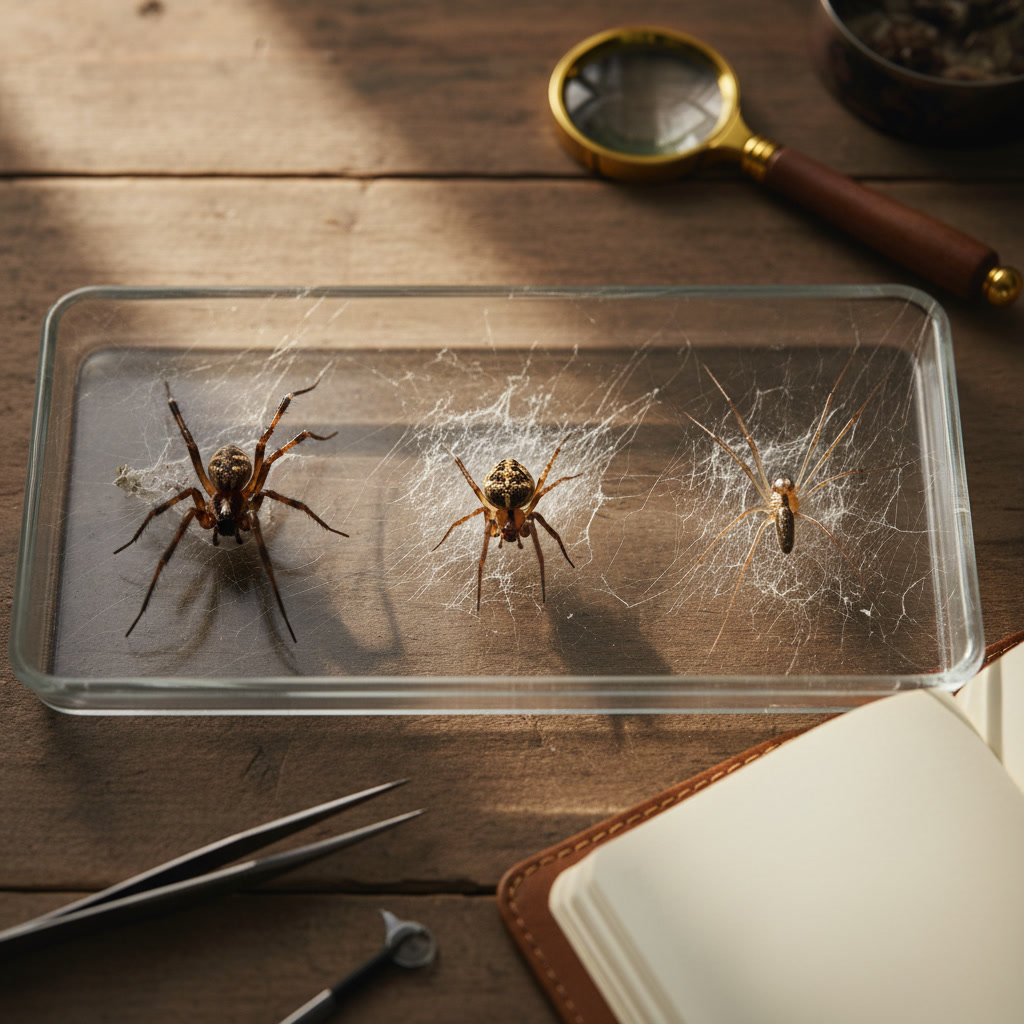
Most spiders you encounter indoors pose no threat to humans, but a few species require immediate attention. To identify common spiders in your home, examine their size, color, web patterns, and body markings. Harmless house spiders typically measure less than half an inch, build irregular webs in corners, and flee when disturbed. Dangerous spiders like black widows and brown recluses have distinct markings and behaviors that set them apart.
Why Spider Identification Matters for Homeowners
Understanding the difference between harmless and dangerous spiders prevents unnecessary panic while helping you take swift action when needed. The vast majority of spiders are beneficial predators that control other insect populations in your home. They consume flies, mosquitoes, and other nuisance pests that would otherwise multiply unchecked.
However, misidentifying a dangerous spider can lead to serious medical consequences. Bites from black widows or brown recluses require immediate medical attention, while bites from common house spiders typically cause only minor irritation. Knowing what you’re dealing with helps you decide whether to capture and release the spider yourself or call for professional exterminating services.
Spider Biology Basics Every Homeowner Should Know
All spiders belong to the class Arachnida and share certain physical characteristics. They have eight legs, two main body segments (cephalothorax and abdomen), and fangs that inject venom. Unlike insects, spiders lack antennae and wings. Most spiders have eight eyes, though some species have six or fewer.
Spiders produce silk from specialized glands called spinnerets located at the rear of their abdomen. Different species create different web patterns, from the classic orb webs you see in gardens to the tangled cobwebs in basement corners. Some spiders don’t build webs at all and instead hunt prey actively. Similar to how you might notice signs of other household arthropod infestations, spider activity often increases during specific seasons.
Common Harmless House Spiders in Queens County
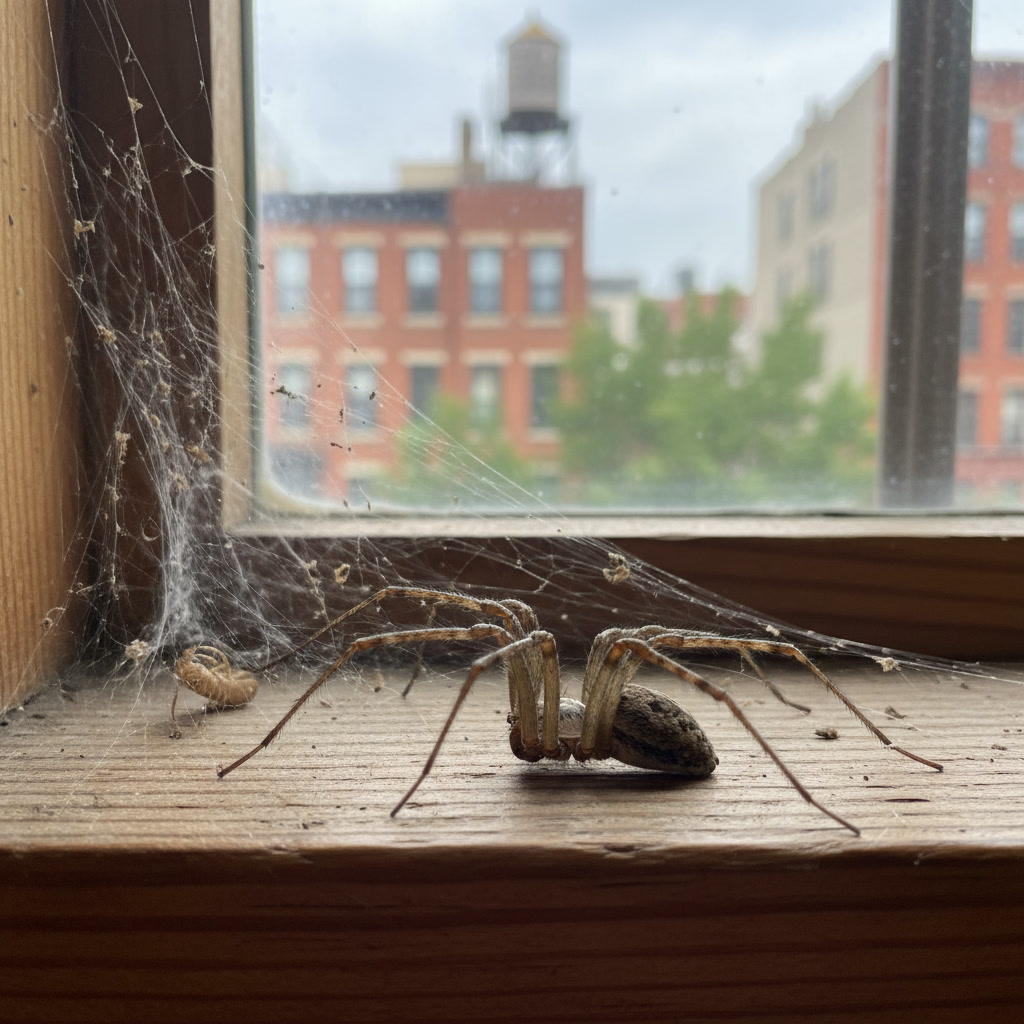
American house spiders are the most frequently encountered indoor species throughout Queens County and surrounding areas. These small brown or gray spiders measure about one-quarter inch in body length and build messy, irregular webs in room corners, closets, and basements. They have round abdomens with varied patterns of stripes or spots.
Cellar spiders, often called daddy longlegs, have extremely long, thin legs and small bodies measuring just three to seven millimeters. They hang upside down in loose, irregular webs and vibrate rapidly when threatened. Despite urban legends, these spiders are completely harmless to humans.
Jumping spiders are compact, fuzzy spiders with large forward-facing eyes that give them excellent vision. They grow to about half an inch and actively hunt rather than building webs. These curious spiders often approach humans to investigate but pose no danger.
Identifying the Black Widow Spider
The black widow is the most medically significant spider in New York. Adult females have shiny black bodies measuring about half an inch, with a distinctive red or orange hourglass marking on the underside of their round abdomen. Males are much smaller and lighter in color with less prominent markings.
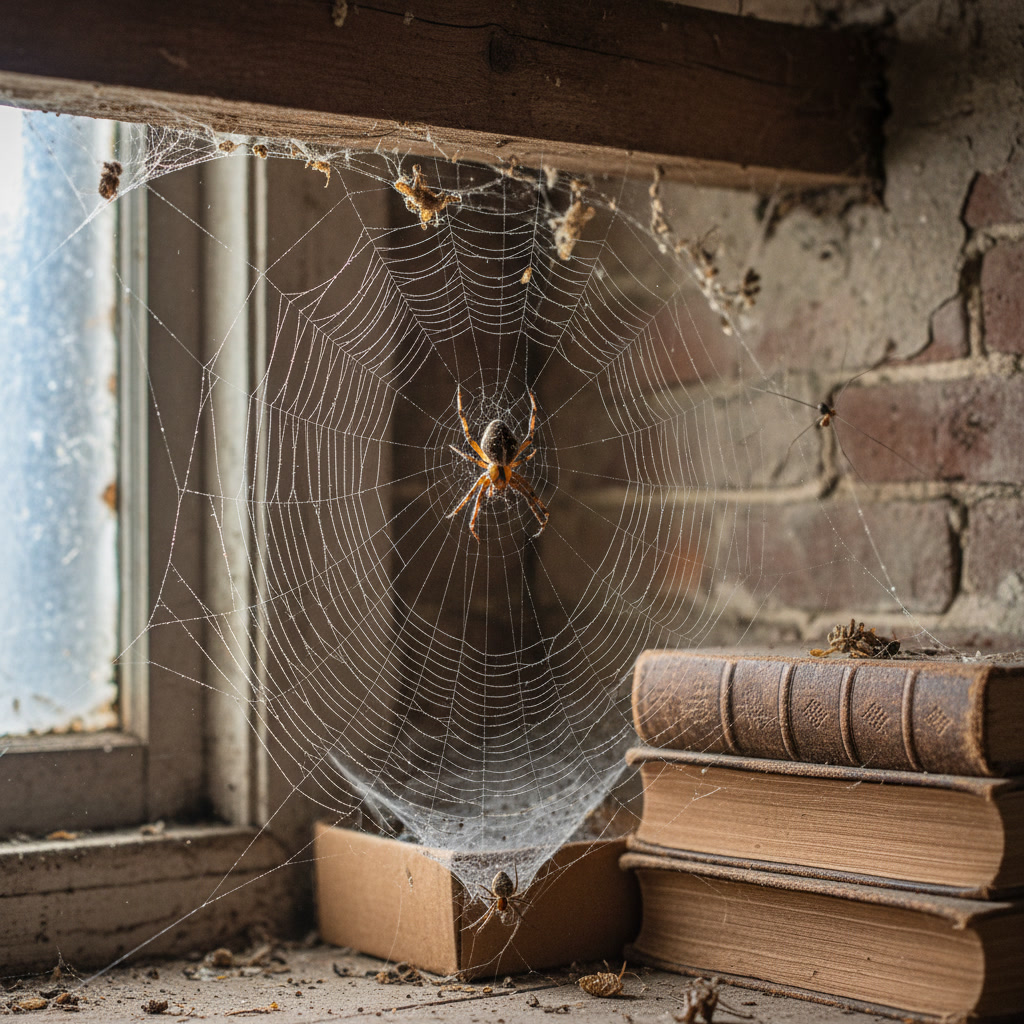
Black widows build irregular, three-dimensional webs close to the ground in protected areas like garages, sheds, woodpiles, and crawl spaces. The silk strands feel unusually strong and make a distinctive snapping sound when broken. These spiders rarely enter living spaces but may be found in cluttered basements or storage areas.
Female black widows are not aggressive and bite only when trapped or defending egg sacs. The bite feels like a pinprick but delivers neurotoxic venom that causes muscle pain, cramping, and other systemic symptoms within hours. Any suspected black widow bite requires immediate medical evaluation.
Recognizing the Brown Recluse Spider
Brown recluse spiders are extremely rare in New York, despite common misidentification. True brown recluses live primarily in the Midwest and South. The few confirmed New York sightings likely involved spiders transported in shipped goods or moving boxes.
If you do encounter a brown recluse, it measures one-quarter to half an inch with a light to medium brown body. The defining characteristic is a dark brown, violin-shaped marking on the top of the cephalothorax, pointing toward the abdomen. Unlike most spiders with eight eyes, brown recluses have only six eyes arranged in three pairs.
These spiders build small, irregular webs in undisturbed areas and hunt at night. Their venom causes tissue death around the bite site, creating slow-healing wounds that may require months of medical treatment. Any spider matching this description warrants professional removal.
Wolf Spiders and Other Large Hunting Spiders
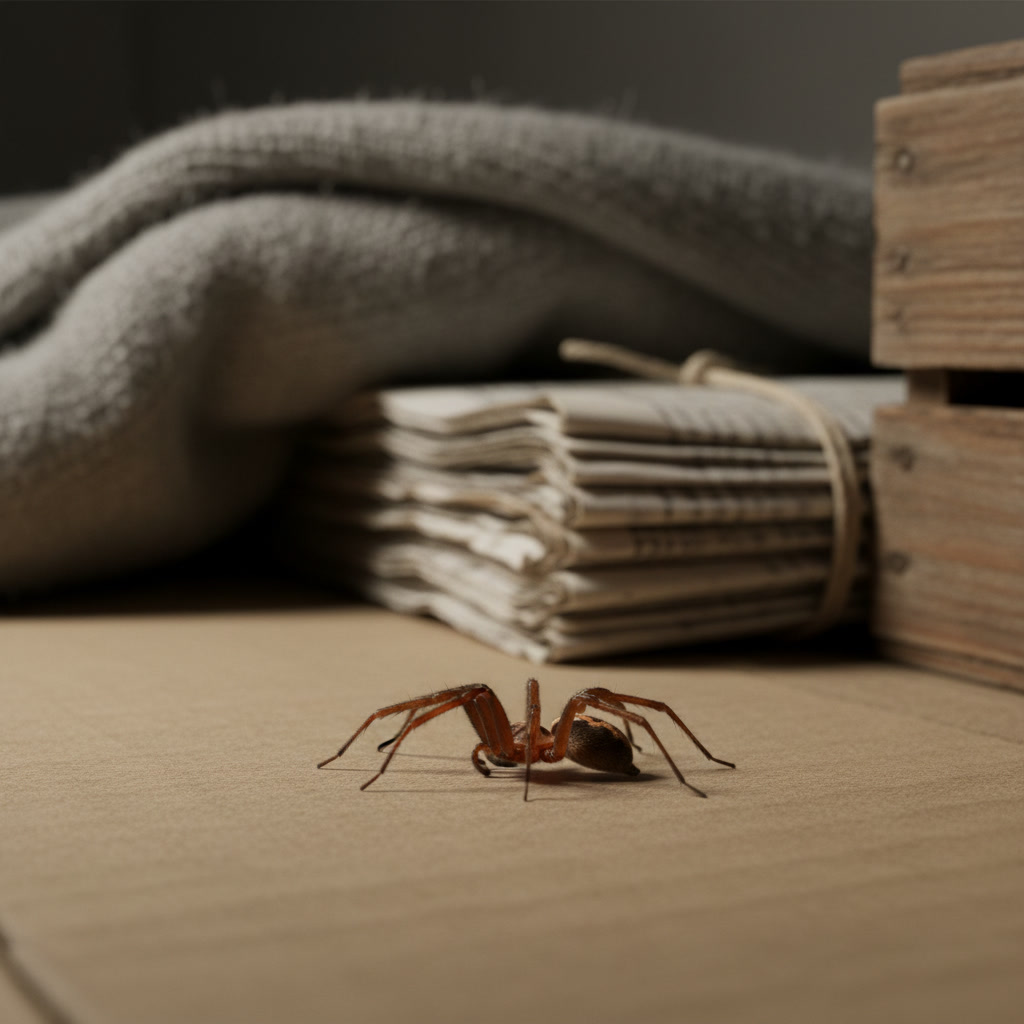
Wolf spiders frighten many homeowners due to their size, reaching up to one inch in body length with leg spans over two inches. These robust brown or gray spiders have distinctive eye arrangements with four small eyes on the bottom row, two large eyes in the middle row, and two medium eyes on top.
Unlike web-building spiders, wolf spiders actively hunt prey on the ground. Females carry egg sacs attached to their spinnerets and later transport dozens of spiderlings on their backs. Despite their intimidating appearance, wolf spiders are timid and their bites cause only minor local reactions similar to bee stings.
Grass spiders and fishing spiders are other large hunting spiders occasionally found indoors. Both are harmless and typically enter homes accidentally while hunting for prey or seeking shelter.
Key Physical Features to Examine
Start your identification by noting the spider’s size. Use a coin for reference: a dime is about 17 millimeters in diameter. Most common house spiders measure smaller than a dime, while dangerous species fall within specific size ranges.
Body shape provides crucial clues. Harmless house spiders typically have elongated or oval abdomens, while black widows have distinctly round, bulbous abdomens. Check for any markings, paying special attention to the underside of the abdomen and the top of the cephalothorax.
Eye arrangement requires close observation but proves definitive for certain species. Count the eyes if possible and note their size and positioning. Leg length relative to body size also helps narrow identification, as cellar spiders have disproportionately long legs while jumping spiders have compact, powerful legs.
Web Patterns and Spider Behavior
Web architecture reveals much about spider identity. Orb weavers create the classic circular webs with radiating spokes, typically outdoors in gardens. House spiders build tangled, three-dimensional cobwebs in corners and along ceilings. Sheet web spiders construct horizontal platforms in vegetation or along foundations.
Black widows create distinctive irregular webs with strong support strands near ground level. The webs lack pattern or symmetry and often contain debris. Brown recluses build small, loose webs only as retreats, not for catching prey.
Behavioral observation adds context. Harmless spiders usually flee when disturbed, while black widows retreat to web corners and may adopt defensive postures. Jumping spiders turn to face movement and may approach out of curiosity. Wolf spiders run quickly when exposed to light.
When to Call Professional Pest Control
Contact residential pest control professionals when you find multiple black widows, discover a spider infestation in living spaces, or cannot confidently identify a spider that displays warning characteristics. Professional technicians have the training and equipment to safely remove dangerous spiders and identify species accurately.
Large spider populations often indicate underlying pest problems. If spiders are numerous, they’re finding abundant food sources. A thorough pest assessment can identify what’s attracting spiders and address the root cause. Just as businesses need specialized approaches for pest control, homes with persistent spider issues benefit from comprehensive treatment plans.
Expert-level insight: spiders often congregate in areas with moisture problems or structural gaps that also attract their prey. When you find spiders consistently in the same location, inspect for plumbing leaks, foundation cracks, or gaps around utility penetrations. Addressing these structural issues eliminates both the spiders and the insects and arthropods that sustain their populations.
Safe Spider Removal and Prevention Methods
For harmless spiders, catch-and-release methods work well. Place a clear cup over the spider, slide a piece of paper underneath, and carry it outside at least 20 feet from your home. Vacuum removal works for webs and egg sacs, but empty the vacuum immediately into an outdoor trash bin.
Never attempt to handle or remove black widows or brown recluses yourself. Their defensive bites can occur quickly when they feel threatened. Mark the location, keep people and pets away, and call professionals immediately.
Prevention focuses on eliminating entry points and reducing attractions. Seal cracks around windows, doors, and foundations with caulk or weatherstripping. Install door sweeps on exterior doors. Remove clutter from basements, garages, and storage areas where spiders hide. Keep firewood at least 20 feet from your home and store it off the ground.
Protecting Your Home from Spider Infestations
Regular spider activity in your home signals that conditions favor their survival. Royal Exterminating Co emphasizes that controlling spider populations requires managing the insects they hunt. Reduce indoor lighting at night, as lights attract flying insects that spiders eat. Fix leaky faucets and pipes to eliminate moisture that attracts both spiders and their prey.
Outdoor maintenance matters as much as indoor treatment. Trim vegetation away from your foundation, remove leaf litter and debris, and relocate mulch beds at least 12 inches from the house perimeter. These simple steps dramatically reduce spider migration indoors.
Understanding spider identification protects your family while allowing beneficial spiders to control pest populations naturally. Most spiders you encounter are harmless allies in pest management, but recognizing the few dangerous species ensures you respond appropriately when necessary. Regular home maintenance combined with vigilant observation keeps spider populations manageable and reduces encounters with both harmless and dangerous species.
Royal Exterminating Co provides comprehensive spider identification and removal services throughout New York City and surrounding counties. Our licensed technicians can accurately identify spider species, safely remove dangerous spiders, and implement prevention strategies tailored to your property. Contact us at +16469962656 or visit our contact page to schedule a thorough inspection and protect your home from unwanted spider activity.