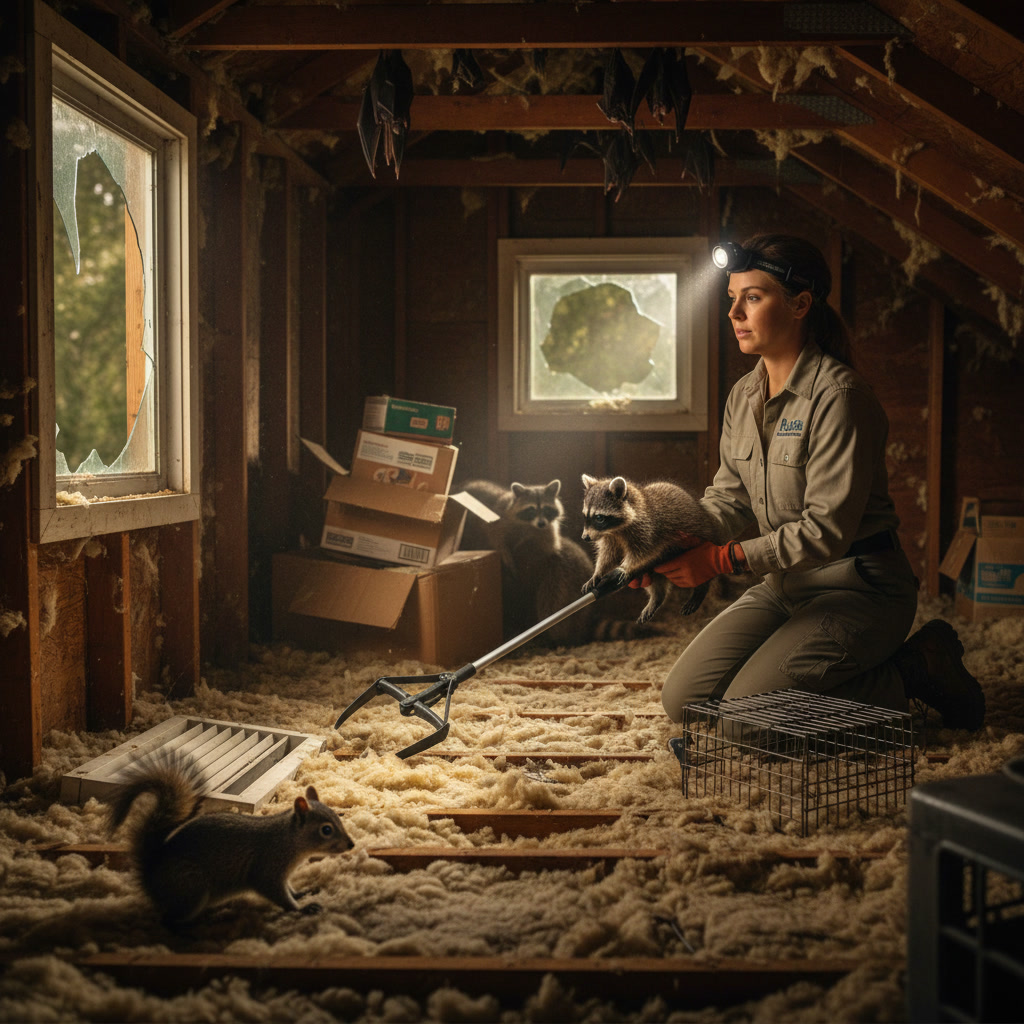
Spring triggers a surge in wildlife activity as animals emerge from winter dormancy and search for nesting sites to raise their young. Homeowners can identify common wildlife intrusions by recognizing specific signs like unusual sounds, droppings, entry holes, and property damage. Raccoons, squirrels, bats, and opossums are the most frequent uninvited guests, each leaving distinct evidence of their presence.
Warmer temperatures and longer days signal breeding season for most wildlife species. This biological drive makes your attic, crawl space, or chimney an attractive nursery. Understanding what to look for helps you act quickly before minor intrusions become serious structural problems or health hazards.
Why Spring Brings More Wildlife Into Your Home
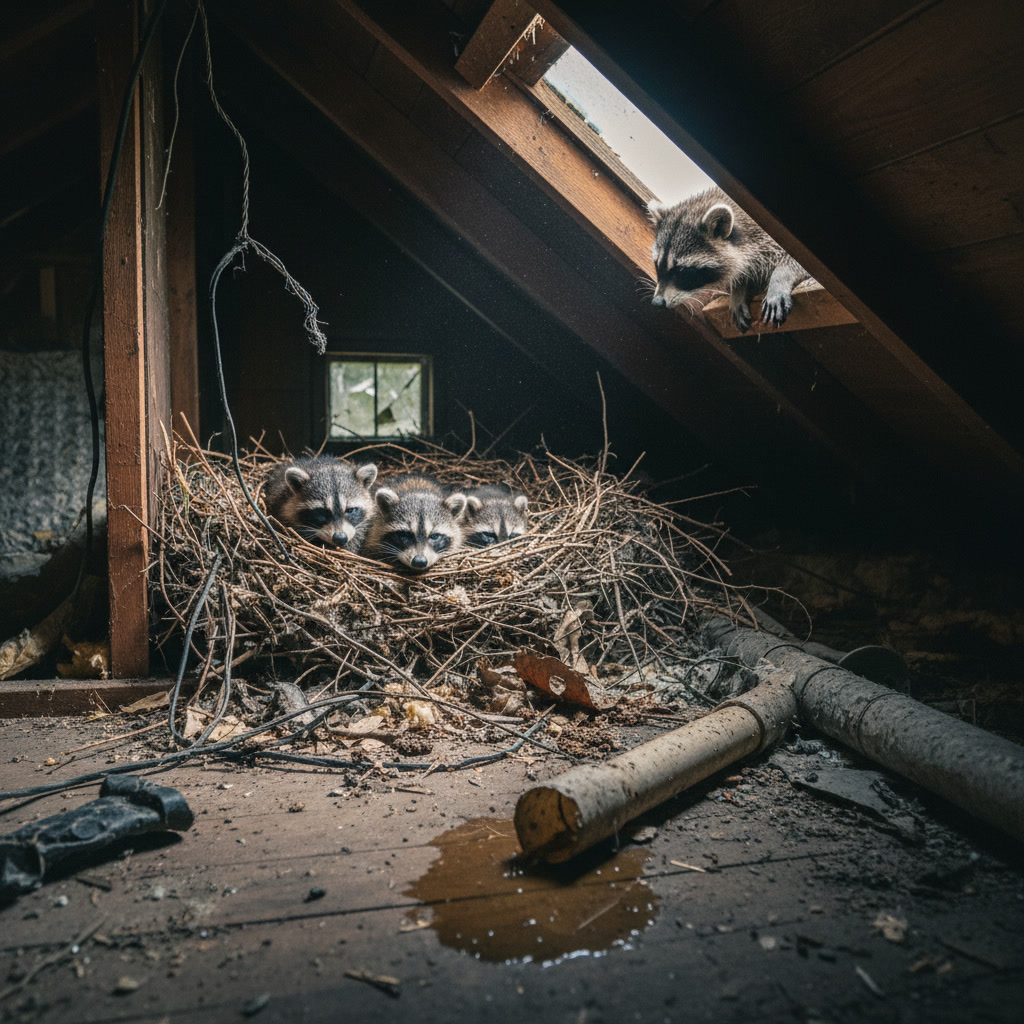
Female animals seek secure, warm spaces to give birth and protect their offspring during vulnerable early weeks. Your home offers ideal conditions: shelter from predators, consistent temperature, and nearby food sources. Attics provide insulation and darkness similar to natural tree hollows or caves.
Spring also coincides with reduced natural food availability. Winter stores have depleted, and new vegetation has not yet matured. Animals become bolder in their search for sustenance, often exploring human structures they might otherwise avoid. Garbage bins, pet food, and bird feeders become irresistible targets.
Melting snow reveals entry points that remained hidden during winter months. Damaged soffit vents, rotted fascia boards, and gaps around utility lines become visible pathways. Animals exploit these openings, sometimes enlarging them with teeth or claws to gain access.
Recognizing Raccoon Activity Around Your Property
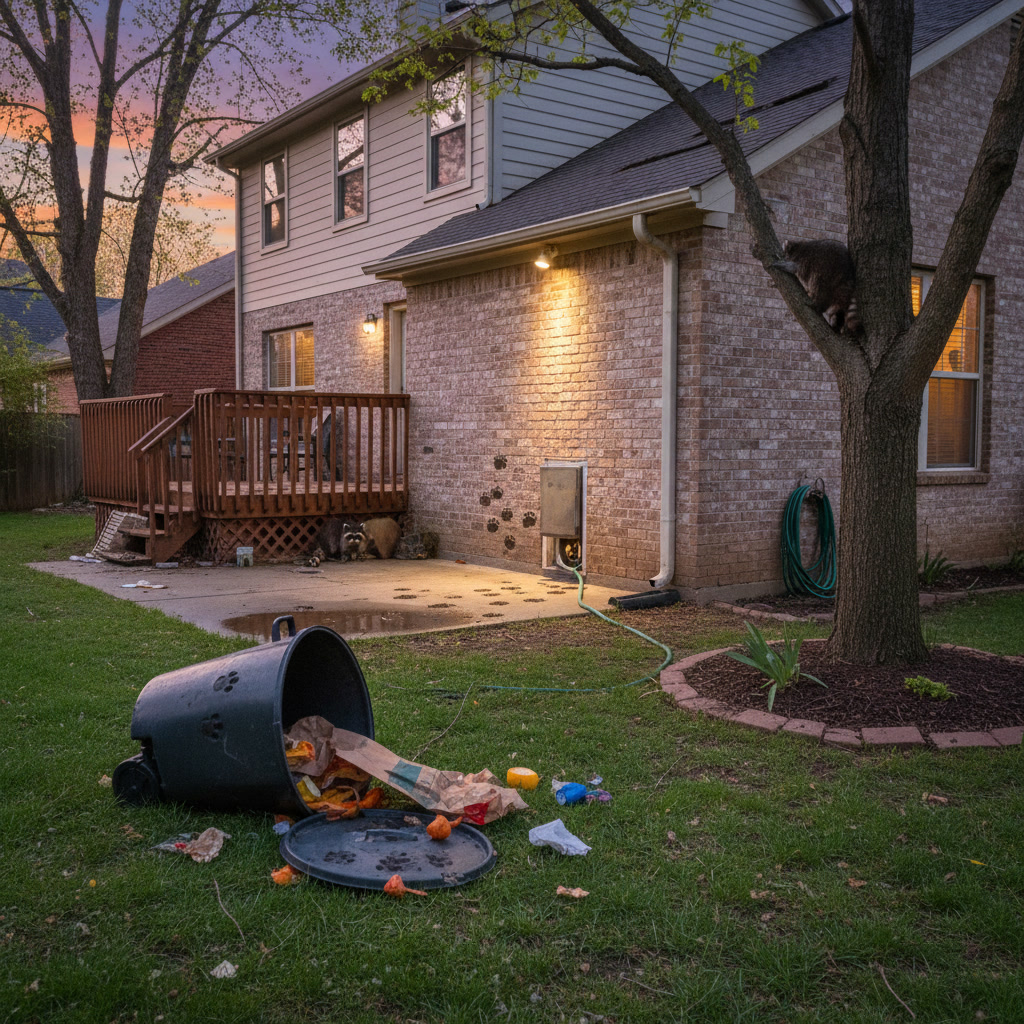
Raccoons leave unmistakable signs when they move into residential spaces. Their tracks show five distinct toes on both front and back feet, resembling small human handprints. You’ll often find these prints in soft soil near trash cans, gardens, or building foundations.
Nighttime sounds provide another clear indicator. Raccoons are notably vocal, producing chittering, growling, and purring noises, especially when females communicate with their kits. Thumping sounds in your attic or chimney after sunset strongly suggest raccoon presence. These animals weigh between 10 and 25 pounds, so their movement is not subtle.
Physical damage includes torn shingles, ripped soffit vents, and displaced insulation. Raccoons have powerful front paws capable of prying open weak entry points. Their droppings are cylindrical, about two to three inches long, and often contain visible seeds or insect parts. These latrines typically appear in the same location repeatedly, creating health risks due to roundworm eggs.
Squirrel Intrusion Signs and Patterns
Squirrels operate on a completely different schedule than raccoons. You’ll hear their activity during daylight hours, particularly at dawn and dusk. The sounds include scampering, scratching, and rolling noises as they move acorns or other food items across attic floors.
Entry holes created by squirrels are typically round and measure two to four inches in diameter. Look for gnaw marks around the edges, appearing as fresh, light-colored wood. Squirrels constantly gnaw to keep their incisors trimmed, which means they’ll chew on electrical wiring, wooden beams, and even PVC pipes once inside your home. This behavior creates serious fire hazards.
Nesting materials give away their presence as well. Squirrels gather leaves, twigs, insulation, and fabric to build softball-sized nests called dreys. Finding scattered insulation or shredded materials in corners indicates active nesting. Their droppings are smaller than raccoon scat, about three-eighths of an inch long, barrel-shaped, and typically found scattered rather than in latrines.
How to Spot Bat Colonies in Your Attic
Bats require only a half-inch gap to enter your home, making them particularly difficult to exclude. During spring, female bats form maternity colonies to give birth and raise pups. A colony can include dozens to hundreds of individuals, creating significant waste accumulation.
The most obvious sign is guano, or bat droppings, which accumulates below roosting sites. Guano appears similar to mouse droppings but crumbles into dust when touched, revealing shiny insect fragments. The smell is distinct and acrid, becoming stronger as colonies grow. Staining may appear on exterior walls below entry points, showing dark streaks from body oils.
Listen for high-pitched squeaking and scratching sounds at dusk or dawn. Unlike rodents that nest in insulation, bats typically hang from rafters or gather in wall voids. You might notice them emerging at sunset, flying in patterns around your roofline before departing to feed. Professional wildlife removal is essential for bat colonies due to legal protections and health risks associated with guano.
Identifying Opossum and Skunk Activity in Queens County
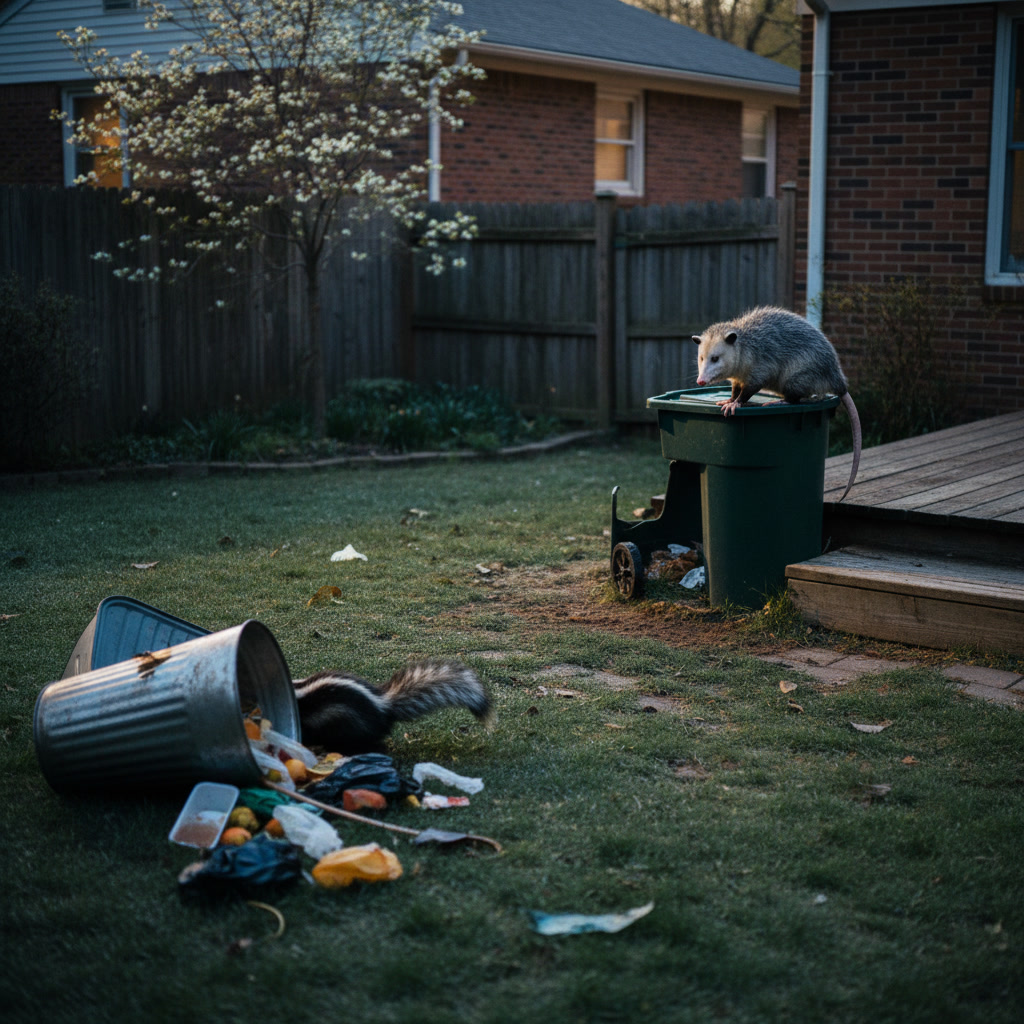
Opossums and skunks typically occupy ground-level spaces like crawl spaces, under decks, or beneath sheds. Opossums leave distinctive tracks with an opposable thumb clearly visible on their hind feet. Their droppings are similar to dog feces but often contain insect exoskeletons and fruit seeds.
Strong odors signal both species. Opossums produce a musky smell when threatened, though not as overwhelming as skunks. Skunk presence is unmistakable when they spray, but even without spraying, their dens carry a faint sulfurous odor. Disturbed soil, displaced lattice work, or dug-out areas under structures indicate burrowing activity.
Both animals are opportunistic feeders attracted to accessible garbage, compost piles, and pet food left outdoors. If you notice these food sources repeatedly disturbed despite securing lids or containers, wildlife is likely visiting regularly. Setting up motion-activated lights can help you observe their patterns without direct confrontation.
Birds Nesting in Vents and Chimneys
Spring bird nesting creates unexpected problems when species like starlings, sparrows, or chimney swifts choose your home. Dryer vents, bathroom exhaust vents, and uncapped chimneys provide perfect nesting cavities. The first sign is often reduced airflow or complete blockage in these systems.
You’ll hear constant chirping, especially when adults return to feed nestlings. Nesting materials like twigs, grass, and feathers may fall out of vents or appear on the ground below. Some birds carry parasites that migrate into living spaces once nests are established, leading to unexpected pest problems that may require insect control services.
Bird droppings accumulate rapidly around entry points, creating white streaks on siding and staining beneath nesting sites. Unlike mammal droppings, bird waste is chalky and contains both fecal matter and urine in a single discharge. Never remove active bird nests without checking local wildlife regulations, as many species receive legal protection during nesting season.
Comparing Fresh Versus Old Wildlife Evidence
Determining whether wildlife is currently active or has already left requires examining evidence freshness. Fresh droppings appear moist and dark, while old scat becomes dry, crumbly, and faded. This distinction matters because removing animals that have already departed avoids unnecessary treatment costs.
Recent entry holes show fresh wood shavings, torn materials, or displaced insulation around openings. Old entry points collect spider webs, dust, and weathering. Run your finger along suspected gnaw marks: fresh damage feels rough and shows bright, unoxidized wood, while older damage smooths over time and darkens.
Trail camera footage provides definitive evidence of current activity. Position cameras near suspected entry points or along travel routes you’ve identified. Time stamps reveal whether animals are actively using these areas or if they’ve moved on. This step can save significant money by confirming whether professional intervention is needed now or if simple exclusion repairs will suffice.
Health and Safety Risks from Wildlife Intrusions
Wildlife carries diseases transmissible to humans and pets. Raccoon roundworm eggs remain viable in soil and insulation for years, causing serious neurological damage if accidentally ingested. Bat guano harbors histoplasmosis fungus, which becomes airborne when disturbed and causes respiratory illness.
Parasites including fleas, ticks, and mites infest wildlife fur and nesting materials. These pests readily transfer to domestic animals and humans. Secondary pest infestations often persist even after the original wildlife has been removed, sometimes requiring additional treatment similar to challenges described in structural pest situations.
Structural damage poses immediate safety concerns. Chewed electrical wiring creates fire hazards, while damaged support beams compromise structural integrity. Urine saturation ruins insulation effectiveness and promotes mold growth. Professional assessment through pest assessments identifies the full scope of contamination and necessary repairs.
Prevention Steps After Identifying Wildlife
Once you’ve confirmed wildlife presence, immediate action prevents reproduction and population growth. Seal all entry points except the primary access route, then install one-way exclusion devices allowing animals to exit but not return. This humane approach works best after young have matured enough to leave with adults.
Trim tree branches to at least eight feet from your roofline. This distance prevents squirrels and raccoons from jumping onto your roof. Cap all chimneys with appropriate spark arrestor screens. Replace damaged soffit vents with heavy-gauge hardware cloth rather than plastic versions animals easily chew through.
Remove attractants by securing garbage in animal-proof containers, eliminating standing water sources, and bringing pet food indoors overnight. Clean up fallen fruit from trees and secure compost bins with latching lids. These environmental modifications make your property less appealing compared to neighboring alternatives.
When to Call Professional Wildlife Services
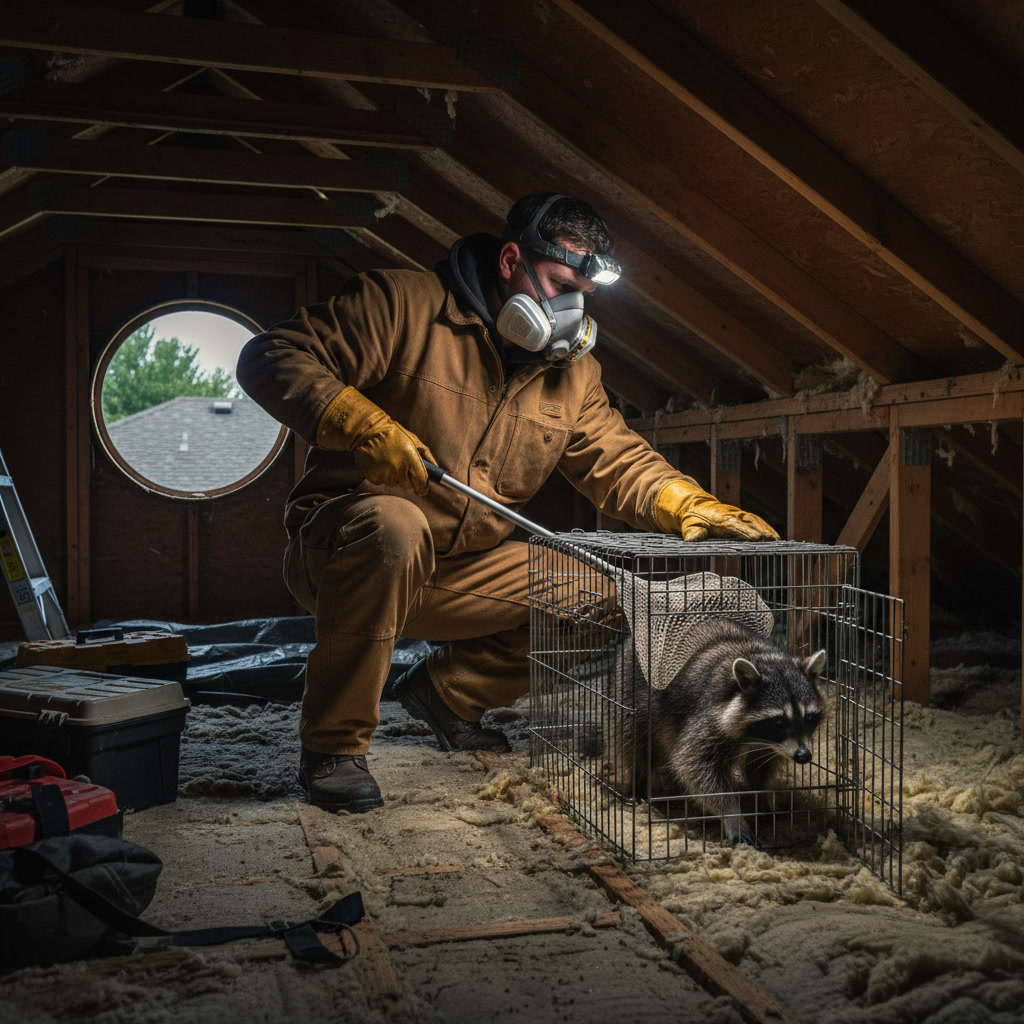
Certain situations require professional expertise rather than DIY solutions. Bat colonies need specialized removal due to legal protections and disease risks. Aggressive animals like raccoons with young pose bite risks to untrained individuals. Large-scale infestations or contamination exceeding a few square feet demands professional remediation equipment.
Royal Exterminating Co handles wildlife removal throughout the region with licensed technicians trained in humane exclusion methods. Attempting removal without proper equipment or knowledge often results in incomplete exclusion, allowing animals to return repeatedly. Professionals also identify and repair entry points you might miss during casual inspection.
Expert removal includes sanitation services that eliminate contaminated insulation, disinfect affected areas, and restore proper ventilation. This comprehensive approach addresses both the immediate wildlife problem and the secondary health risks they’ve created. Documentation of services also proves valuable for insurance claims related to wildlife damage.
Taking Action Before Wildlife Becomes Entrenched
Early detection makes removal faster, less expensive, and prevents serious property damage. Spring wildlife intrusions start with a single exploratory animal but quickly expand into family groups. What begins as faint scratching in April becomes a full nursery colony by June, requiring more extensive intervention.
Regular home inspections during late winter and early spring catch vulnerable entry points before animals exploit them. Walk your property’s perimeter monthly, looking up at roof lines, down at foundation gaps, and around utility penetrations. Small investments in preventive repairs save thousands in remediation costs later.
Schedule professional inspections if you’re uncertain about sounds, smells, or signs you’ve noticed. Trained eyes spot evidence homeowners often overlook, and early professional assessment establishes a baseline for monitoring future activity. Acting decisively protects both your property value and your family’s health throughout the active wildlife season.
Royal Exterminating Co provides comprehensive wildlife removal and exclusion services throughout Queens County and surrounding areas. Our licensed team responds quickly to assess your situation, remove animals humanely, and implement lasting solutions that prevent future intrusions. Contact us at +16469962656 to schedule an inspection and protect your home this spring.